UK's Top Al-Qaeda Terror Chief Faces Parole Hearing in Weeks
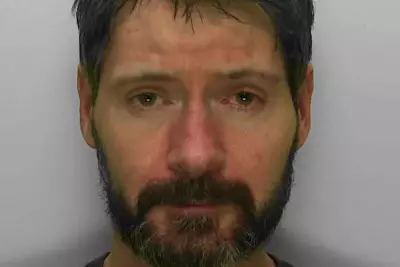
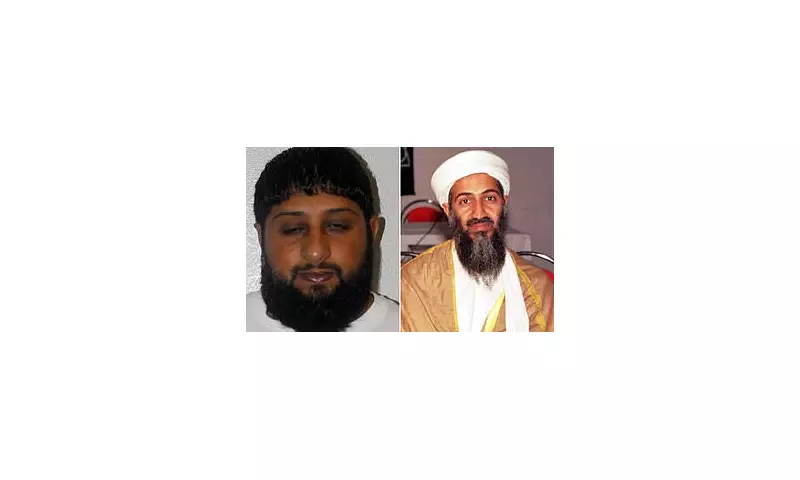
Britain's most senior al-Qaeda figure could potentially walk free within weeks as he mounts a fresh bid for release from prison. Rangzieb Ahmed, once described as Osama bin Laden's right-hand man, is scheduled to appear before a parole board on February 13, where he will contend that he is now a reformed character.
A Notorious Terrorist History
Now aged 48, Ahmed was originally convicted in 2008 at Manchester Crown Court, becoming the first person in the UK found guilty of directing terrorism. The jury determined he led a three-man al-Qaeda cell that was actively preparing to commit mass murder on British soil. He received a life sentence with a minimum term of ten years.
His terrorist activities were deeply intertwined with major plots. Ahmed was linked to the London 7/7 bombers and the failed London bomb plot that occurred just two weeks later. Counter-terrorism officials at the time believed an attack was imminent, though the specific target remained unclear. His scheme unraveled with the discovery of three diaries containing details and phone numbers of key al-Qaeda operatives, written in invisible ink.

Repeated Parole Denials and Ongoing Risk
Since his incarceration, Ahmed has made multiple unsuccessful attempts to secure parole. In September 2022, officials deemed him too dangerous to be released. A year later, he was ordered to participate in a deradicalisation programme. His most recent bid in 2024 was also blocked when parole chiefs concluded he still posed a significant risk to the public.
A risk assessment from October 2024 indicated Ahmed remained susceptible to indoctrination and was likely to commit further terrorist acts if released. The sentencing judge had previously noted Ahmed's dedication to the cause of Islamic terrorism, which he viewed as a religious duty.
The Upcoming Parole Board Review
The Parole Board has confirmed that hundreds of pages of evidence will be scrutinised during the upcoming oral hearing. A spokesman emphasised that decisions are solely focused on public safety and whether any risk posed by a prisoner can be managed in the community.
The panel will examine a comprehensive range of materials, including:
- Details of the original crimes and their impact on victims
- Evidence of any behavioural change during imprisonment
- Testimony from probation officers, psychiatrists, and prison officials
- Victim impact statements
The board reiterated that protecting the public remains its number one priority, with reviews conducted thoroughly and with extreme care.
Background and Legal Battles
Ahmed's path to conviction involved international dimensions. He was initially arrested by Pakistan's Inter-Services Intelligence agency in August 2006 after flying into the country, held for a year, then deported to the UK where British authorities arrested him.
In a subsequent legal battle, Ahmed sued MI5 and MI6 for alleged collusion in his torture by Pakistani intelligence, but the High Court dismissed his damages claim in 2020. It was reported that Attorney General Lord Hermer had advocated for compensation for the terrorist, though jurors at his original trial were unaware of these torture allegations.
Prison Conduct and Security Concerns
Ahmed is believed to be currently held at HMP Buckley Hall in Greater Manchester. His time in prison has not been without incident. Last year, he was placed in solitary confinement after falsely accusing a guard of racism when instructed to follow social distancing rules. An investigation found no evidence to support his claim.
In 2023, reports emerged that the warped terror boss became angry when prison authorities banned him from making pizza and cakes. Over the years, Ahmed has received legal aid totalling nearly £1 million for his various proceedings.

Chris Phillips, the former head of the National Counter Terrorism Security Office, has voiced strong concerns about any potential release. It's madness to be considering this, he stated ahead of a previous parole hearing. Public safety will be at risk if either of these men are released. You have to question whether it will ever be safe for either of them to walk the streets again.
The upcoming hearing will determine whether the parole board believes Ahmed's risk can be managed outside prison walls, or if he must remain incarcerated to protect the British public from a man once at the heart of al-Qaeda's UK operations.