Albanese Urges Swift Action on National Gun Buyback Scheme
Prime Minister Anthony Albanese is set to press national cabinet to finalise critical details of the federal government's impending gun buyback programme, a move projected to cost hundreds of millions of dollars. This push comes despite firm resistance from Queensland and the Northern Territory, who have declined to endorse the scheme.
State Responsibilities and Federal Leadership
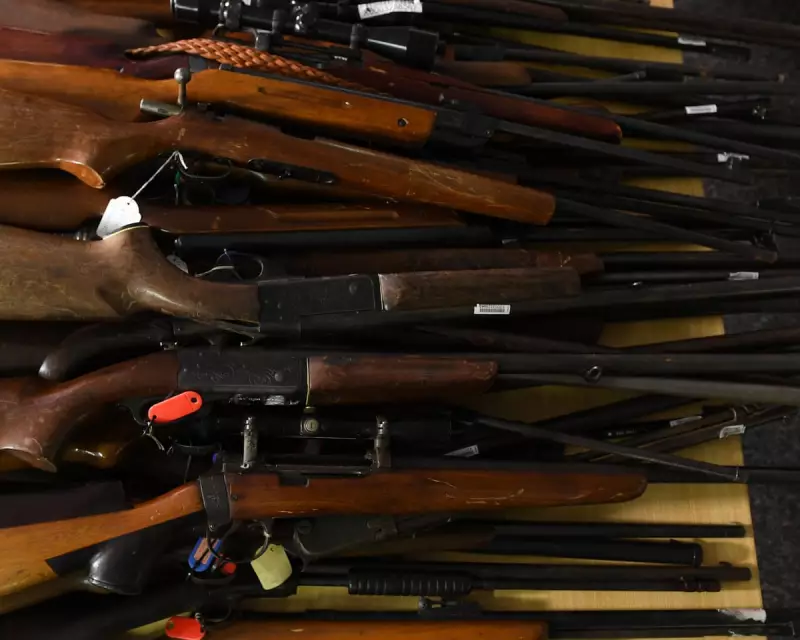
Under legislation enacted swiftly following the Bondi terror attack, state governments will shoulder the responsibility for collecting and processing surrendered firearms. The Australian Federal Police is anticipated to take the lead in overseeing the destruction of these weapons, ensuring a coordinated national approach to firearm removal.
The proposed buyback, described by federal authorities as a significant financial undertaking, is expected to see costs divided equally between the Commonwealth and participating states. However, with no final price tag disclosed, estimates vary widely, drawing comparisons to historical precedents.

Divergent State Responses and Financial Concerns
Victoria has initiated an expedited review of its firearm regulations, while Tasmania's Police Minister, Felix Ellis, emphasised that his government would not hastily adopt federal proposals. Ellis highlighted support for enhanced intelligence sharing and a national firearms register but expressed reservations about the buyback's financial implications, noting Tasmania alone faces costs exceeding $20 million for its 150,000 registered guns.
South Australia's Police Minister, Blair Boyer, indicated principled support for the scheme but stressed the need to resolve practical issues, including compensation for ammunition and stakeholder consultation. Boyer pointed to South Australia's existing robust laws as a potential model for other jurisdictions.
Outright Opposition from Key States
Queensland Premier David Crisafulli has outright rejected the necessity of a gun buyback, arguing that the state's focus should remain on combating antisemitism and ensuring criminals and terrorists cannot access firearms. Similarly, Northern Territory Chief Minister Lia Finocchiaro has demanded full federal funding for any buyback and opposed new limits on individual firearm ownership, citing the NT's 55,678 registered guns.
Historical Context and Future Projections
The current initiative represents Australia's most substantial gun reform since the Port Arthur massacre. The Howard government's 1996 buyback, which destroyed over 650,000 firearms at a cost of $371 million, would equate to approximately $770 million in today's currency. Advocacy groups, such as Firearm Owners United, warn that total expenses could soar to $2 billion when accounting for storage, transport, and destruction, urging market-value compensation to ensure fairness.
With the buyback scheduled to conclude by January 2028 and Western Australia recently completing a successful $64 million programme that collected 61,000 firearms, the national cabinet's decisions will be pivotal in shaping the scheme's effectiveness and acceptance across the country.