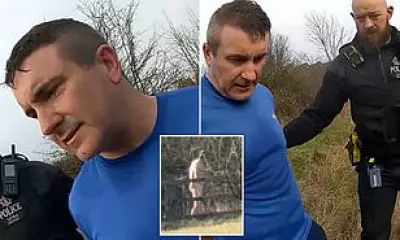
In a major breakthrough for one of America's most politically charged investigations, a suspect in the devastating 2012 attack on a United States diplomatic compound in Benghazi, Libya, has been apprehended after fourteen years. Zubayr Al-Bakoush was taken into custody and transported to Joint Base Andrews in Maryland in the early hours of Friday morning, according to official statements from the United States Department of Justice.
A Long-Awaited Arrest
Attorney General Pam Bondi addressed the media at a news conference, stating emphatically, "We have never stopped seeking justice for that crime against our nation." U.S. Attorney Jeanine Pirro provided further details, confirming that an eight-count indictment has been filed against Al-Bakoush. The charges include the murders of Ambassador Chris Stevens and State Department information management officer Sean Smith. At this initial stage, it remains unclear whether Al-Bakoush has secured legal representation to contest these serious allegations.
The Night of the Attack
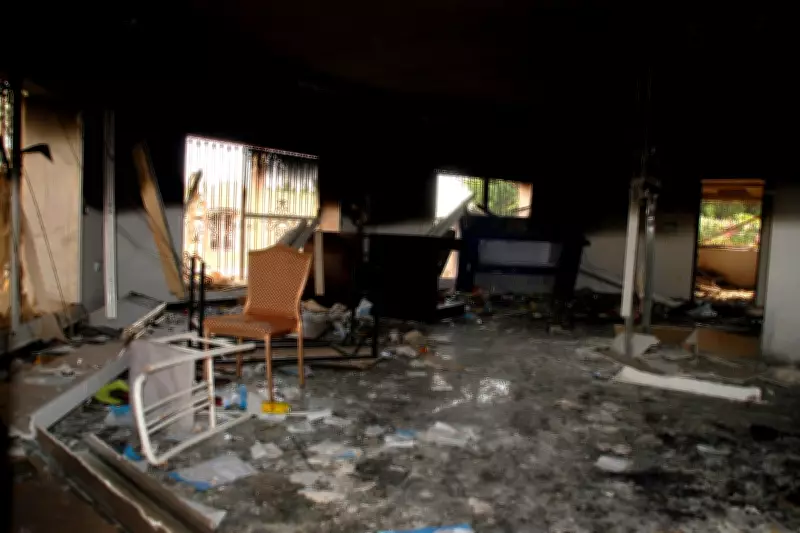
The assault unfolded on the night of September 11, 2012, a date already etched in American memory. According to established accounts from U.S. officials, at least twenty militants, heavily armed with AK-47 assault rifles and grenade launchers, stormed the consulate compound. They breached the main gate and proceeded to set buildings ablaze. The resulting inferno tragically claimed the lives of Ambassador Stevens and Sean Smith.

Other State Department personnel managed to evacuate to a nearby, more secure U.S. facility known as the annex. However, the violence was far from over. A separate, large group of attackers assembled and launched a subsequent assault on the annex. This phase of the attack included a precision mortar barrage, which led to the deaths of two security officers, Tyrone Woods and Glen Doherty. In total, four Americans lost their lives in the coordinated assaults.
Political Fallout and Investigations
The Benghazi attack immediately ignited a fierce political firestorm in Washington. Republican lawmakers aggressively challenged the administration of President Barack Obama and then-Secretary of State Hillary Clinton on multiple fronts. The scrutiny focused on perceived security deficiencies at the Libyan outpost, the speed and nature of the military response to the unfolding violence, and evolving explanations from the administration regarding who was responsible and the motivations behind the attack.
A final report issued by a Republican-led congressional committee years later criticized the Obama administration for the security lapses at the compound and what it described as a slow response. Notably, the same report found no evidence of direct wrongdoing by Secretary Clinton. Clinton herself dismissed the findings, characterizing them as a rehash of previous inquiries with no new revelations and publicly stating it was "time to move on." Democratic allies went further, denouncing the Republican report as "a conspiracy theory on steroids."
Previous Convictions and Ongoing Justice
Al-Bakoush is not the first individual to face justice for the Benghazi attacks. Ahmed Abu Khattala, a Libyan militant suspected of being a mastermind behind the assault, was captured by U.S. special forces in a separate operation in 2014. He was subsequently brought to Washington, D.C., for prosecution, convicted, and is currently serving a lengthy prison sentence. His defense team had argued that the evidence against him was inconclusive and that he was targeted due to his ultra-conservative Muslim beliefs, claims which were ultimately rejected by the court.
The arrest of Zubayr Al-Bakoush represents a significant milestone in a case that has haunted American diplomacy and domestic politics for over a decade. It underscores the prolonged and complex nature of international counter-terrorism investigations and the enduring pursuit of accountability for acts of violence against U.S. personnel abroad.