Seven Boston Police Officers Cleared in Death of Man Restrained During Mental Health Crisis
Seven police officers from Massachusetts who restrained a man face down before his death have been informed they will not face criminal charges, officials confirmed last night. The decision follows a comprehensive investigation into the July incident that resulted in the death of 43-year-old Francis Gigliotti.
Incident Details and Official Findings
Francis Gigliotti died on July 11 outside a fish market in a Boston suburb after being restrained by officers while walking into traffic. His fiancée stated he was experiencing a mental health crisis at the time of the incident. Essex District Attorney Paul Tucker announced the decision not to pursue charges after what he described as a thorough review of evidence, applicable law, and consultation with an independent expert.
"After a comprehensive review of the facts, applicable law, and the consideration of the opinion of a retained independent expert, it's the view of my office and myself that criminal charges are not supportable and will not be pursued," Tucker told reporters during a press briefing.

Autopsy Results and Restraint Timeline
The autopsy report concluded that Mr Gigliotti's death was caused by cardiac dysrhythmia in a person with acute intoxication due to the combined effects of cocaine and ethanol while being restrained prone by police. Notably, the examination revealed no injuries to his nose, throat, neck, or back, with bruises found only on his arms and legs.
According to District Attorney Tucker, video evidence and officer interviews indicated that police initially attempted to assist Mr Gigliotti when they found him walking erratically in traffic. The restraint occurred only when he attempted to enter a seafood restaurant. Officers held him on the ground for 2 minutes and 25 seconds before he became unresponsive.
When Mr Gigliotti stopped responding, officers administered Narcan, initiated CPR, and were later relieved by emergency medical services personnel who took over resuscitation efforts.
Video Evidence and Body Camera Absence
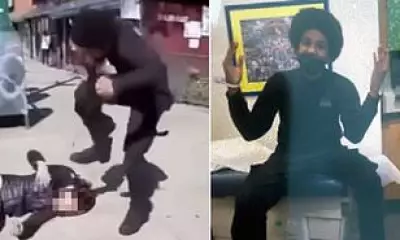
Witness videos obtained by local media showed several officers holding Mr Gigliotti face down as he cried out during the restraint. The footage did not capture the entire duration of the restraint or precisely when he became unresponsive. Officers were not wearing body cameras during the incident, though additional video showed Mr Gigliotti falling onto pavement, hitting his head on a parked car, and weaving into traffic before police intervention.
Family Response and Legal Proceedings
Family attorney Timothy Bradl expressed disappointment with the decision, stating the family was "disappointed, but not surprised at such an outcome when law enforcement investigates itself within the same county." He confirmed the family intends to pursue justice through other legal avenues, adding: "We are proceeding ahead with full confidence in our position and will do everything we can to achieve justice and accountability for the Gigliotti family."
Police Procedures and Safety Concerns
The case has raised questions about police restraint practices during mental health emergencies. Since the mid-1990s, the U.S. Department of Justice has warned law enforcement agencies about the dangers of positional asphyxia, advising officers to roll suspects off their stomachs once handcuffed.
While placing someone in a prone position is not inherently life-threatening, policing experts caution that prolonged pressure on the chest with excessive weight can compress lungs and stress the heart, potentially causing breathing cessation. The seven officers involved were placed on paid administrative leave during the investigation and have now been cleared to return to duty.
For emotional support, the Samaritans 24-hour helpline remains available at 116 123, with additional contact options including email at jo@samaritans.org, in-person branch visits, or through their official website.