Brazil's Supreme Court Begins Historic Trial for Marielle Franco's Murder
The Supreme Court of Brazil has officially commenced a high-profile trial for the 2018 assassination of Rio de Janeiro councillor Marielle Franco, a case that has become a symbol of political violence and the struggle for justice in the country. This trial marks a critical juncture in a saga that has captivated public attention and sparked widespread protests demanding accountability.
Background of the Case
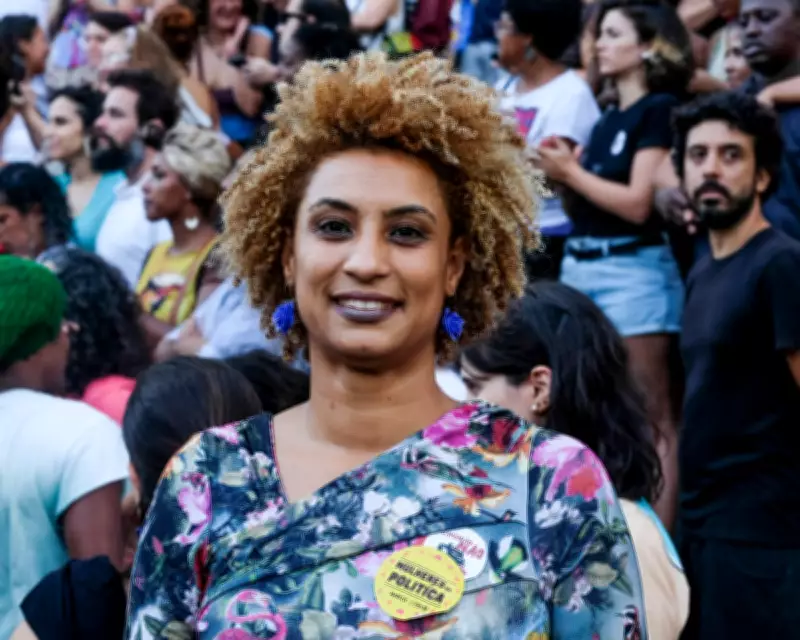
Marielle Franco, a prominent human rights activist and member of the left-wing Socialism and Liberty Party, was brutally murdered on March 14, 2018, in Rio de Janeiro. She was shot multiple times in her car, along with her driver, Anderson Gomes, in an attack that shocked Brazil and drew international condemnation. Franco was known for her advocacy against police violence and for marginalized communities, making her death a focal point for social movements.
The investigation into her murder has been complex and protracted, involving multiple suspects and allegations of political interference. Key figures, including former military police officers, have been implicated, with prosecutors arguing that the killing was a politically motivated act intended to silence Franco's activism.

Supreme Court's Role and Trial Proceedings
The Supreme Court's involvement underscores the case's national significance, as it typically handles matters of constitutional importance or those involving high-level officials. The trial is expected to delve into evidence linking the accused to the crime, including forensic reports, witness testimonies, and digital communications. Legal experts anticipate that the proceedings could last several months, given the volume of material and the sensitivity of the issues at stake.
This trial is not only about seeking justice for Franco and Gomes but also about addressing broader concerns over impunity and corruption in Brazil's political and judicial systems. The outcome could set a precedent for how similar cases are handled in the future, potentially influencing reforms to protect activists and politicians from violence.
Public and International Reaction
The start of the trial has reignited public debate in Brazil, with many citizens expressing hope for a fair and transparent process. Protests and vigils have been organized across the country, calling for an end to political violence and for stronger safeguards for human rights defenders. International organizations, including the United Nations and Amnesty International, have closely monitored the case, urging Brazilian authorities to ensure a thorough investigation and prosecution.
In Rio de Janeiro, the city where Franco served and was killed, community groups have emphasized the need for justice to bring closure to her family and supporters. The trial's progress is being widely covered by media outlets, reflecting its status as a litmus test for Brazil's commitment to the rule of law and democratic values.
Implications for Brazil's Political Landscape
Beyond the legal aspects, the trial has significant political ramifications. It highlights ongoing tensions between different factions in Brazilian politics, particularly concerning issues of crime, policing, and social justice. Franco's murder has been cited in discussions about the safety of public officials and the risks faced by those challenging entrenched interests.
As the trial unfolds, it may impact upcoming elections and policy debates, with candidates and parties likely to reference the case in their campaigns. The Supreme Court's handling of the matter could also affect public trust in institutions, either reinforcing confidence in the judiciary or fueling further skepticism if perceived as inadequate.
In summary, the trial of Marielle Franco's murder is a pivotal moment for Brazil, intertwining legal, social, and political dimensions. Its resolution will be closely watched as a barometer of justice and accountability in a nation grappling with deep-seated challenges.