Brighton's Dual Reality: Tourism Boom Amidst Growing Urban Decay
The picturesque seaside city of Brighton, frequently celebrated as one of modern Britain's great coastal success stories, presents visitors with a striking contrast of Victorian elegance and contemporary vibrancy. Yet beneath this appealing surface lies a troubling undercurrent of crime and public disorder that local residents describe as increasingly intolerable.
A City of Architectural Splendor and Commercial Vitality
Arriving at Brighton's magnificent early Victorian railway station, visitors are immediately greeted by architectural grandeur that sets the tone for a city rich in historical character. The breathtaking Royal Pavilion, whose construction began in 1787, stands as a testament to Brighton's regal heritage, while the iconic pier remains an unmistakable landmark drawing tourists year-round.
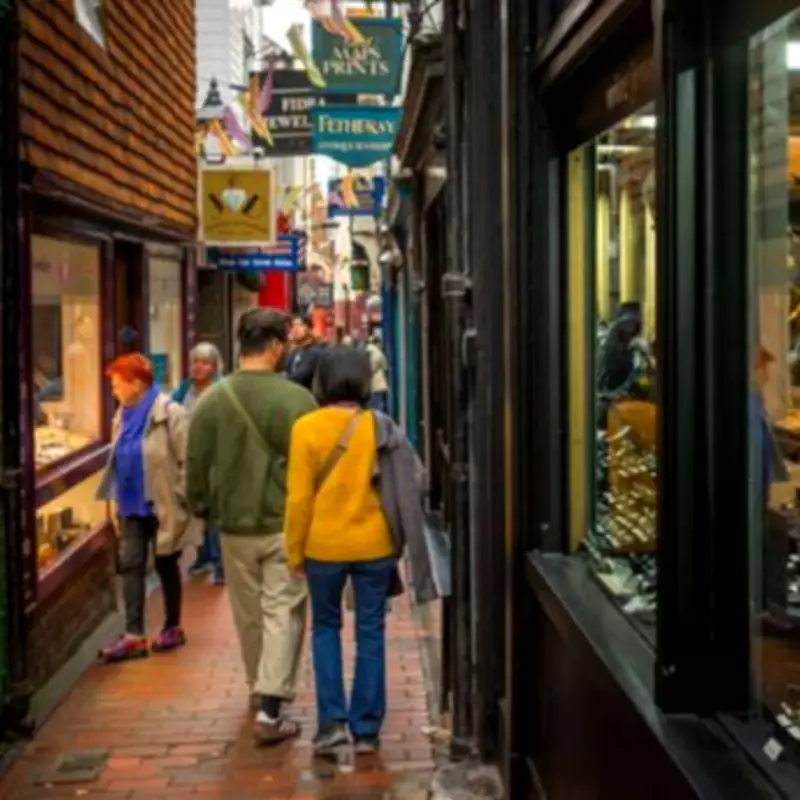
What proves particularly surprising is the city's commercial vitality during the off-season. Even on grey, chilly winter days, Brighton's upmarket shopping streets bustle with activity, their independent stores and thriving businesses reminiscent of prosperous high streets in cities like Norwich or York. The city clearly benefits from its summer tourist influx, but maintains remarkable year-round economic energy that defies typical seaside town decline narratives.

The Dark Side of St James's Street
Venturing to St James's Street near the seafront reveals a very different Brighton experience. Here, residents and business owners describe enduring what they characterize as a dreadful situation of escalating crime and anti-social behaviour. During a recent visit, police community support officers were observed moving between shops, engaging with proprietors about ongoing security concerns.
Local accounts paint a bleak picture of daily life in the area. Shoplifters reportedly operate with apparent impunity, showing little fear of arrest or consequence. Public spaces have become stages for open drug dealing, aggressive confrontations, and violent altercations that disrupt community safety. Even tourists have reportedly been identified as prime targets for muggings and thefts in the vicinity.
A Shocking Public Health Concern
Perhaps most viscerally disturbing was the discovery of what appeared to be human excrement deposited beside a bin outside a local Co-op supermarket. This public defecation incident represents not merely an aesthetic nuisance but a significant public health concern that residents say has become increasingly common. The normalization of such conditions in a major British city in 2026 raises serious questions about urban management and social welfare systems.
Local analysis suggests the concentration of bed and breakfast establishments and hostels housing vulnerable individuals with substance abuse issues contributes significantly to the area's challenges. Residents emphasize that while Sussex Police recently highlighted a forthcoming sentencing for a robbery committed in October, such individual cases fail to address what they see as systemic problems requiring comprehensive solutions.
Systemic Failures and Community Frustration
The proximity of a police station just streets away from the troubled area has become a particular point of frustration for exasperated residents who question why visible law enforcement presence hasn't translated into meaningful improvement. Community members argue that as long as vulnerable populations remain concentrated in specific areas without adequate support services, the cycle of anti-social behaviour and public disorder will persist.
Brighton thus presents a paradox: a city simultaneously experiencing commercial success and tourist appeal while grappling with localized crises that threaten community wellbeing. The contrast between its beautiful independent stores and the troubling conditions on St James's Street highlights urban challenges that extend beyond simple law enforcement to encompass housing policy, social services, and public health considerations.
As Brighton continues to attract visitors with its architectural splendor and vibrant commercial scene, the unresolved issues affecting certain neighborhoods serve as a reminder that even Britain's most celebrated seaside destinations face complex urban management challenges requiring coordinated, compassionate responses.