Queen Camilla's Insightful Visit to Police Control Room
Her Majesty Queen Camilla undertook a significant visit to the Avon and Somerset Police headquarters in Portishead, Bristol, on Thursday, where she gained firsthand experience of the challenging work undertaken by emergency call handlers. The primary focus of her visit was to understand the force's efforts in addressing domestic abuse, a cause she has championed for many years.
Listening to a Real Emergency Call
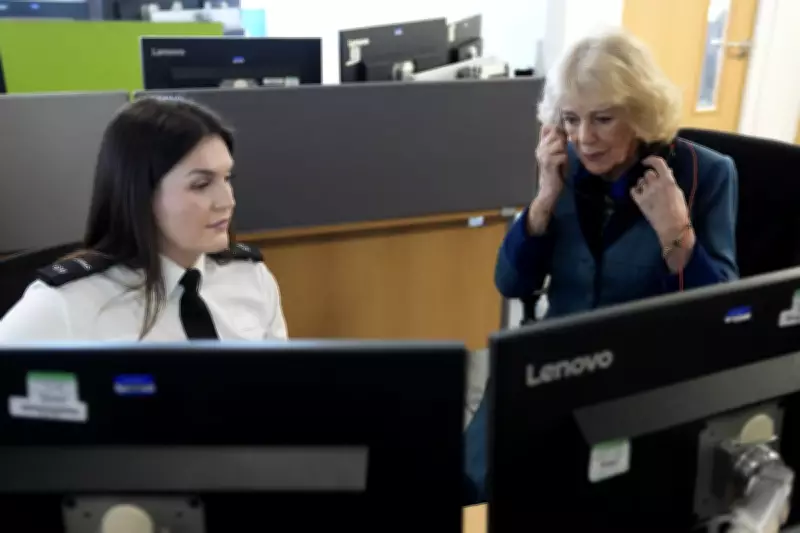
During her tour of the bustling emergency call room, the Queen was invited to listen to a pre-recorded 999 call. She placed headphones to her ear to hear the beginning of a conversation between a woman reporting a sighting of an ex-partner on her property and the call handler. This recording is routinely used for training purposes within the force.
Seated at the control room desk, Camilla listened intently to the audio extract while observing three large screens displaying location mapping and call guidance scripts. Call handler Jasmine Cox guided her through the process, explaining the critical nature of keeping distressed callers calm and safe during such traumatic situations.

"It's just all about keeping them safe in that situation. It can be extremely stressful and upsetting. It's about keeping them calm and speaking to them," Miss Cox remarked. The Queen responded thoughtfully, "So just keep talking."
Confronting Alarming Statistics
Queen Camilla was informed that Avon and Somerset Police receive approximately 34,000 domestic abuse calls annually. She described this figure as "horrifying" and added, "it's a lot – far too many." She praised the dedicated team for their vital work, acknowledging the difficulty of extracting information from frightened individuals.
"Sometimes people must be very frightened so it must be difficult getting information out of them," she noted. Reflecting on the volume of calls, she said, "It's fascinating to see it and horrifying how many calls come in."
Innovative Support and Safety Measures
The Queen learned about specific techniques employed by handlers to protect callers in dangerous situations. These include tracking callers when it is unsafe for them to speak and the '55' alert system, where pressing 55 on the phone signals to the handler that the caller cannot talk openly.
Miss Cox shared a poignant story about receiving a thank-you note from a woman she assisted, who was unable to verbally disclose her address. Camilla expressed admiration, stating, "My goodness. They're taking these calls all the time aren't they? You're doing a brilliant job."
Meeting Survivors and Advocates
Upon arrival, the Queen was greeted by Chief Constable Sarah Crew and Superintendent Sharon Baker, a domestic abuse survivor who established a pioneering support network for colleagues experiencing similar trauma. This network, the first of its kind in a UK police force, was featured in the ITV documentary Her Majesty The Queen: Behind Closed Doors.
Camilla later sat with a support group for police officers and staff, hearing harrowing accounts of domestic abuse and coercive control. She described the survivors as "very brave" and encouraged their openness, saying, "You're getting up and talking about it. That makes a difference. The more people who do that, the more people will listen."
She emphasized the universal risk of domestic abuse, noting, "It can happen to anybody, absolutely anybody. I feel very encouraged that there is a group like this." The Queen urged other police forces nationwide to emulate this initiative, praising it as "brilliant" and expressing hope that many would follow Avon and Somerset's exemplary lead.
Progressive Initiatives and Broader Context
During her visit, Camilla was briefed on innovative projects developed by the force to support survivors. These include:

- Project Bright Light: An initiative aiming to overhaul domestic abuse response by collaborating with academics to analyse and improve processes.
- Project Bluestone: A pilot scheme from 2021 where academics reviewed the force's approach to rape and serious sexual assault, leading to recommendations for increasing charge rates and enhancing survivor support.
The Bluestone model has since been implemented across all national forces under the Home Office-funded Operation Soteria, demonstrating a commitment to systemic improvement.
Royal Advocacy Amidst Ongoing Scandals
Queen Camilla's visit occurs against a backdrop of continuing revelations from millions of US documents related to Jeffrey Epstein, the convicted paedophile, and his association with the King's brother, Andrew Mountbatten-Windsor. The Queen has long campaigned to raise awareness about domestic and sexual violence, and reports suggest her concerns influenced the King's decision to strip Andrew of his honours and titles last year.
Camilla is said to have been appalled by Andrew's links to Epstein, believing the controversy negatively impacted her advocacy work with sexual abuse victims. Recent allegations from the Epstein files include claims of a second woman sent to the UK for a sexual encounter with Andrew and requests for a threesome at Epstein's Florida home. Andrew has consistently denied all accusations.
In related developments, Thames Valley Police confirmed on Wednesday that they are discussing allegations with Crown Prosecution Service specialists regarding Andrew potentially sharing confidential trade envoy reports with Epstein. Buckingham Palace stated on Monday that it would "stand ready to support" the police if approached, with a spokesman noting the King's "profound concern" over the allegations and the royal couple's ongoing sympathies with abuse victims.
This visit underscores Queen Camilla's unwavering dedication to supporting survivors and promoting effective responses to domestic abuse, highlighting both the critical work of emergency services and the personal courage of those affected.