Christchurch Mosque Shooter Seeks to Withdraw Guilty Plea in Court Appeal
Brenton Tarrant, the white supremacist who killed 51 people in the 2019 Christchurch mosque attacks, is attempting to withdraw his guilty plea in a high-stakes legal appeal. A panel of three judges at the Court of Appeal in Wellington is hearing five days of evidence regarding Tarrant's claim that he was not mentally fit to plead to terrorism, murder, and attempted murder charges.
Unprecedented Legal Challenge
This represents New Zealand's deadliest shooting case returning to court, with Tarrant arguing that harsh prison conditions created "irrationality" that forced his admission of guilt. If successful, his case would return to trial, reversing the March 2020 resolution when he admitted to the hate-fueled massacre that he livestreamed on Facebook.
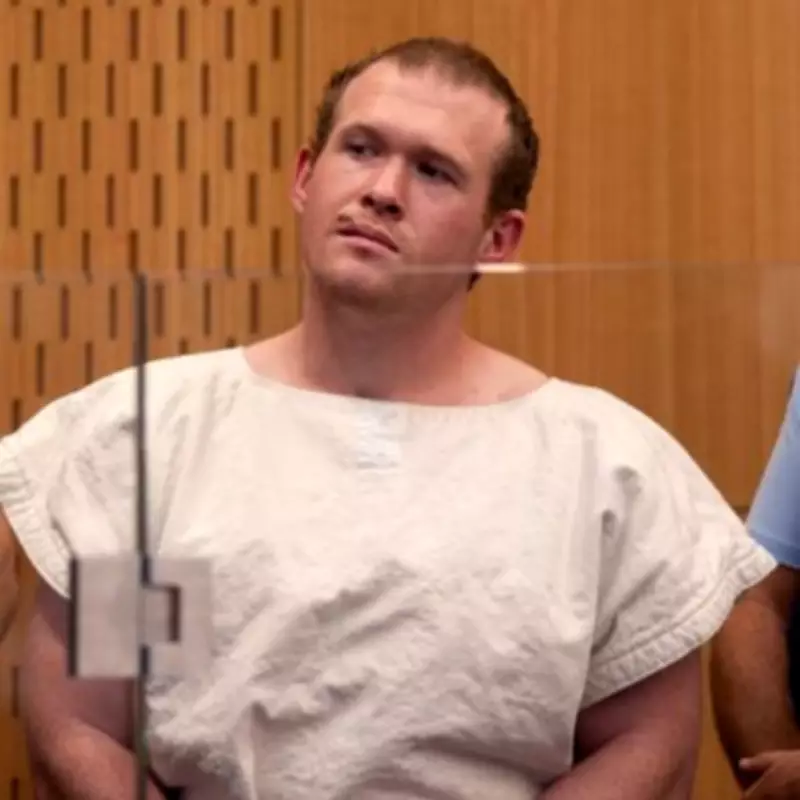
Tarrant is simultaneously appealing his sentence of life without parole, a punishment never before imposed in New Zealand. His testimony on Monday marked the first substantive public speaking since the 2019 attack, delivered via video from Auckland Prison where he appeared in a white button-down shirt with black-rimmed glasses and shaved head.

Detailed Planning and Aftermath
The Australian national, a self-declared white supremacist, migrated to New Zealand specifically to commit the meticulously planned attack. He amassed semiautomatic weapons, avoided detection measures, and wrote a lengthy manifesto before driving from Dunedin to Christchurch in March 2019 and opening fire at two mosques.
The youngest victim was a three-year-old boy, with dozens more severely wounded in what became one of New Zealand's darkest days. Institutions have since worked to curb the spread of Tarrant's message through legal orders banning possession of his manifesto or attack video.
Mental Health Claims Under Scrutiny
Tarrant testified that his mental health deteriorated due to prison conditions, where he experienced solitary confinement with limited reading material and prisoner contact. By his guilty plea, he claimed suffering "nervous exhaustion" and uncertainty about his identity and beliefs, admitting crimes because "there was little else I could do."
Crown lawyer Barnaby Hawes challenged these claims, suggesting Tarrant could have requested trial delays on mental health grounds or proceeded to trial with self-defense. Hawes noted minimal evidence in documentation from mental health experts and prison staff indicating serious mental crisis.
Tarrant countered that signs of mental illness went unrecorded and he sometimes masked symptoms, stating: "I was definitely doing everything possible to come across as confident, assured, mentally well." He added his behavior "reflected the political movement I'm a part of" and he "always wanted to put on the best front possible."
Security and Legal Complexities
Monday's hearing occurred under tight security severely limiting observers to some reporters and those directly affected by the massacre. Tarrant acknowledged having legal advice throughout proceedings, though his current lawyers received name suppression fearing representation would endanger their safety.
Notably, Tarrant filed appeal documents in September 2022—approximately two years past New Zealand's 20-working-day deadline for such appeals. He claimed delayed access to required information caused the late filing.
The hearing continues through the week, with judges expected to release decisions later. If they reject Tarrant's plea withdrawal attempt, a subsequent hearing will address his sentence appeal, maintaining legal focus on this historic case.