Christchurch Mosque Killer Seeks to Withdraw Guilty Pleas in Court Appeal
The white supremacist responsible for the 2019 Christchurch mosque attacks, which claimed the lives of 51 Muslim worshippers, is now attempting to withdraw his guilty pleas through a formal appeal in New Zealand's Court of Appeal. Brenton Tarrant, whose name many New Zealanders had hoped to forget, has returned to national headlines with this controversial legal bid, sparking fears among victims and the justice system about a potential high-profile trial.
Background of the Guilty Pleas and Sentencing
In 2020, Tarrant quietly admitted to all charges against him, including terrorism, murder, and attempted murder, in a move that surprised many given his prior expressions of wanting to spread his racist ideology through legal proceedings. This admission came as a relief to victims and a justice system that had braced for a trial feared to provide a platform for his hateful views. Months later, he accepted without opposition a record sentence of life in prison with no chance of parole, marking one of New Zealand's most severe penalties.
Arguments for Withdrawing the Pleas
Tarrant's current legal team argues that his guilty pleas were made during a nervous breakdown induced by what they describe as oppressive prison conditions. They claim that these conditions, including lengthy isolation and sensory deprivation, caused him to temporarily doubt his identity and ideology, making him irrational at the time of his admissions. His lawyers state that he intended to represent himself at a trial and had initially entered not guilty pleas before repeatedly changing his mind due to mental health issues.

Key points from the appeal include:
- Tarrant alleges he was "so eroded by the extreme conditions" in prison that he "lost his sense of self."
- His lawyers argue that the harsh conditions, such as solitary confinement beyond legal limits, led to sleep deprivation and limited amenities.
- They contend that prison standards must apply to everyone, regardless of the severity of crimes.
Victim Reactions and Legal Context
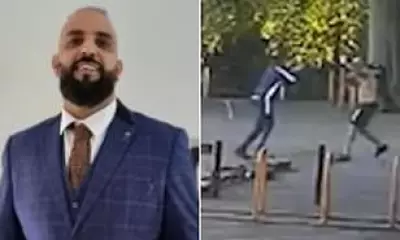
Survivors of the massacre have expressed strong opposition to Tarrant's appeal. Temel Ataçocuğu, who was shot nine times during the attack, stated outside a Christchurch courthouse, "He got what he deserved. He has to deal with it as a man." Many victims and the broader public dread the prospect of a full trial, which could revive Tarrant's notoriety and cause further trauma.
Crown lawyers have countered Tarrant's claims, noting that he had multiple opportunities to raise concerns about his mental health or seek a trial postponement earlier. They emphasize that his former lawyers and mental health experts did not support his claims of severe mental illness, with Tarrant himself admitting to hiding symptoms.
Current Prison Conditions and Security Measures
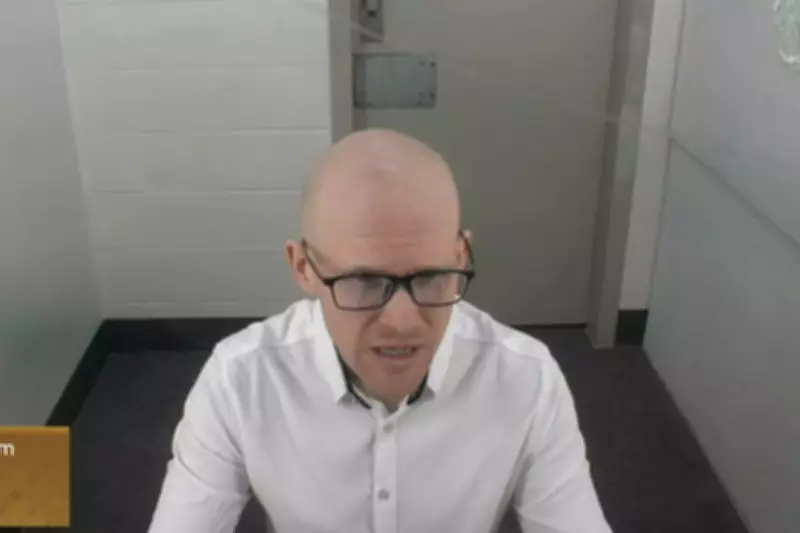
Tarrant now resides in a specially built facility designed to house him and other high-risk prisoners, though a 2024 prison watchdog report criticized it for falling short of legal standards. His lawyers acknowledge this unit as an improvement over his previous conditions when he made the guilty pleas. During the appeals hearing, security was extremely strict, with Tarrant appearing via video conference pale, shaven-headed, and bespectacled, and topics limited to prevent any political staging.
Next Steps and Implications
A three-judge panel is expected to release a decision on whether Tarrant can withdraw his guilty pleas. If denied, another hearing will be scheduled to address his request to appeal the life sentence. This case highlights ongoing tensions between justice, mental health arguments, and the desire to limit the influence of hate crimes in New Zealand.