Courts Challenge Trump's Agenda but Cannot Alone Protect Democracy
In a series of unprecedented events during the Trump presidency, the former leader made a rare appearance at the Supreme Court, highlighting his disregard for traditional separations of power among government branches. The court was deliberating a critical case on birthright citizenship, which could strip automatic citizenship from children of undocumented immigrants. Trump's presence aimed to influence the outcome, though the court appears poised to rule against his position, aligning with a broader trend of judicial pushback.
Recent Judicial Rulings Against Trump
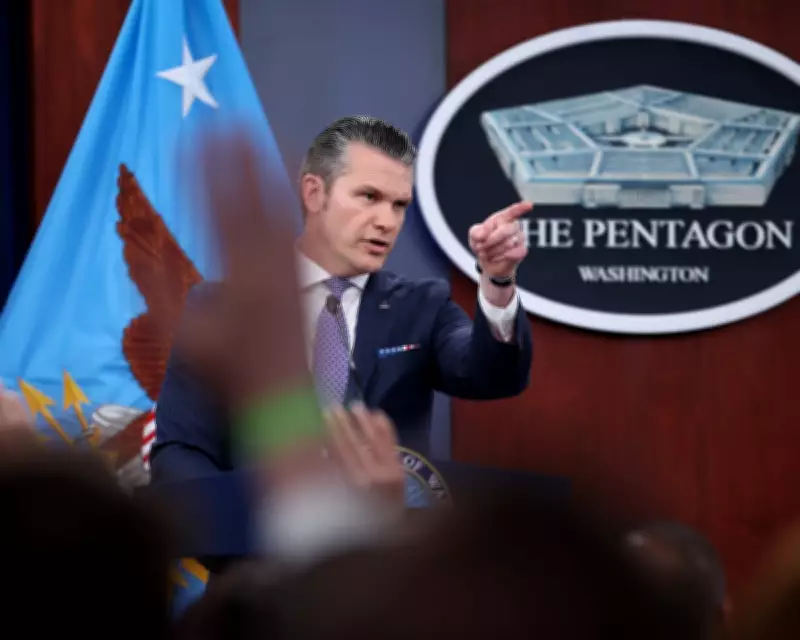
Lower courts have consistently delivered rulings that challenge Trump's executive actions. In recent decisions, judges have blocked the president from constructing an expensive White House ballroom without congressional approval, declared an executive order defunding public media unconstitutional, and prevented the administration from restricting journalists' access to the Pentagon based on arbitrary criteria. These rulings underscore the judiciary's role in upholding the rule of law and curbing presidential overreach.
Justin Florence, co-founder of the Protect Democracy Project, emphasized the significance of these lower court actions. He noted that while the Supreme Court shows a mixed record due to its conservative lean and Trump-appointed justices, lower courts have firmly defended legal principles. Florence highlighted three key impacts: preventing harmful outcomes like illegal deportations, demonstrating that Trump is not an invincible autocrat, and safeguarding electoral integrity for future elections.

The Limits of Judicial Intervention
Despite these encouraging rulings, experts caution that courts alone cannot preserve democracy. Legal scholar Duncan Hosie argued in a New York Times essay that judicial efforts are insufficient against a figure like Trump, who often ignores constitutional norms. Courts lack enforcement power, relying on public trust and other government branches to implement decisions, as Alexander Hamilton noted in the Federalist Papers.
Practical limitations further weaken judicial rulings. For instance, a court decision protecting public media funding had little immediate effect after Congress withdrew financial support, leading to the shutdown of the Corporation for Public Broadcasting. Jim Schachter, CEO of New Hampshire Public Radio, acknowledged the ruling as a victory for press freedom but stressed it did not restore funding, highlighting the need for community support.
The Broader Challenge to Democratic Institutions
While lower court rulings provide crucial checks on executive power, they do not address deeper systemic issues. The Supreme Court's rightward shift and Trump's judicial appointments complicate efforts to maintain impartiality. Florence remains optimistic about fair midterm elections, crediting past court decisions, but warns that long-term democratic health requires more than legal victories.
Ultimately, restoring and rebuilding America's institutions depends on an engaged citizenry. Voting and active participation are essential to counteract threats to democracy. As these court cases show, judicial action is a necessary bulwark against excesses, but sustaining democratic norms demands broader societal commitment and institutional resilience.