CPS Drops Child Abuse Label for Circumcision in Updated Guidance
CPS Drops Child Abuse Label for Circumcision in Guidance

CPS Revises Stance on Circumcision in New Legal Guidance

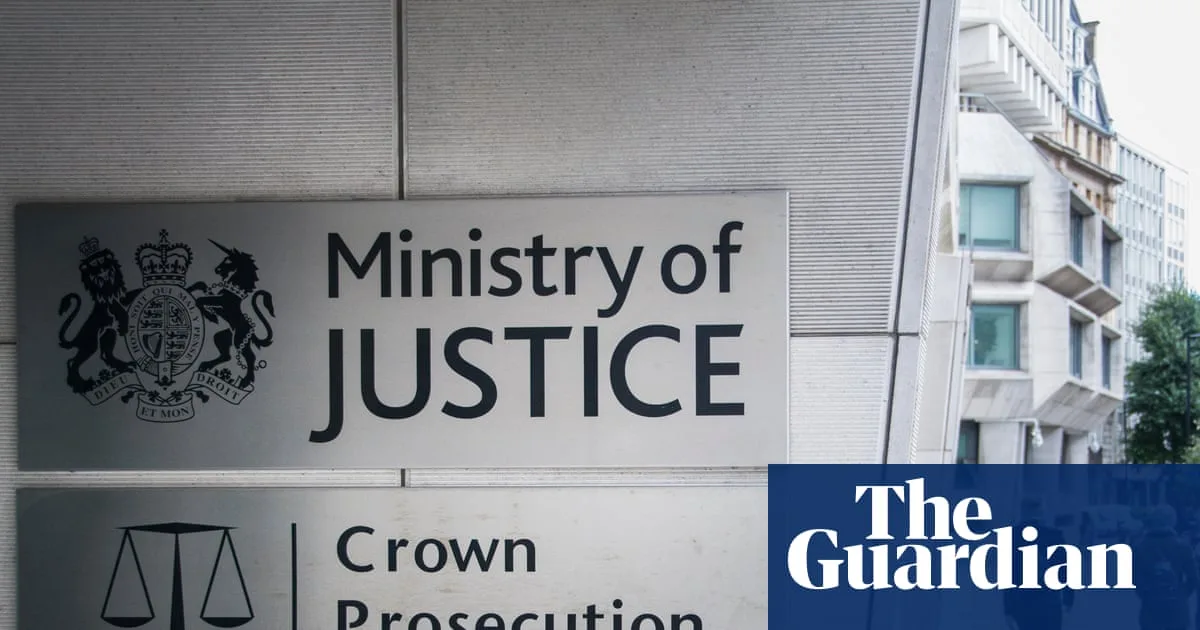
The Crown Prosecution Service (CPS) has issued updated guidance for prosecutors in England and Wales, classifying circumcision as a potentially harmful practice but dropping earlier plans to label it as a form of child abuse. This decision follows significant backlash from Jewish and Muslim communities after initial drafts were revealed by the Guardian.

Removal from Honour-Based Abuse Framework

In its new guidance on honour-based abuse, the CPS decided against including circumcision alongside practices such as dowry abuse, witchcraft, and female genital mutilation. Instead, circumcision is addressed in a separate section within the guidance on offences against the person. The document states: "In certain circumstances, such as the procedure being carried out by those falsely claiming to be suitably qualified practitioners or carried out in non-sterile conditions, it can cross the line into a harmful practice."

Prosecutors are advised to consider charges under the Children and Young Persons Act 1933 for child cruelty or the Offences against the Person Act 1861 for assault, referencing additional guidance on child abuse. Earlier wording that explicitly classed circumcision as child abuse has been removed, a change welcomed by religious leaders.

Religious and Community Reactions

Rabbi Dr Jonathan Romain, convener of Reform Beit Din, expressed approval of the revised wording, noting that circumcision holds deep significance for many faiths. He told the Guardian: "I very much welcome the change of attitude by the CPS not to castigate circumcision, as it is an important practice for so many people of different faiths and cultures." He added that while safe circumcision by experts is meaningful, rogue operators pose risks.

Jonathan Arkush, co-chair of Milah UK, emphasised that the guidance upholds the legality of male circumcision and correctly distinguishes it from honour-based abuse. He commended the CPS for correcting misleading references in earlier drafts.

Safety Concerns and Legal Cases

Despite the legal status of circumcision, safety issues persist. Since 2001, circumcision has been linked to the deaths of seven boys, including three infants who bled to death. Data from Birmingham Women’s and Children’s NHS trust, obtained via freedom of information laws, shows 29 babies admitted between 2022 and 2024 with serious complications like sepsis and haemorrhage.

Recent cases highlight regulatory gaps. In December 2024, a coroner warned about insufficient oversight after the death of six-month-old Mohamed Abdisamad from a streptococcus infection. In January 2025, former doctor Mohammad Siddiqui was jailed for causing pain in circumcisions from 2014 to 2019, and in May 2025, Mohammed Alazawi was convicted of wounding with intent for performing procedures while falsely claiming to be a doctor.

Advocacy and Criticism

Alejandro Sanchez, human rights lead at the National Secular Society, supported the CPS's inclusion of circumcision in guidance, citing harm from cases like Siddiqui and Alazawi. He noted that the guidance still allows for circumcision to be considered child abuse or cruelty, urging religious groups to heed warnings about unanaesthetised procedures.

A father, who remains anonymous and is pursuing a complaint against a doctor for a botched circumcision that mutilated his son, called the guidance a "positive step" but criticised it as too vague. He argued that without clearer definitions on consent and safeguarding, families may lack practical protection.

CPS Statement

A CPS spokesperson acknowledged circumcision as a legal practice with social, cultural, and religious importance, but added: "However, there are certain cases when the procedure is carried out improperly and in unsafe conditions where it can cause significant harm and distress to victims. Our guidance directs prosecutors to consider the circumstances on a case-by-case basis, noting the factors that may lead to the practice amounting to a criminal offence."