Record Sex Crimes on UK Railways Spark Political Funding Row
The Government faced intense criticism over the weekend following the revelation that a record number of sex crimes were committed on Britain's railways during the last financial year. Official figures disclosed that 2,658 sexual offences were recorded across the network in 2024-25, equating to more than 50 incidents every single week. This staggering total represents an increase of almost 10 per cent compared to previous periods, highlighting a deeply concerning trend in public transport safety.
Low Solve Rates and Unidentified Suspects
Data released by the British Transport Police (BTP) shows that only 449 of these cases were successfully resolved, meaning the suspect was either formally charged or received a lesser sanction such as a caution to conclude the investigation. Alarmingly, in approximately half of all reported incidents – precisely 1,333 cases – police were never able to identify a suspect at all. Furthermore, in nearly 700 additional sex crimes where investigators did manage to pinpoint a prime suspect, they were ultimately unable to gather sufficient evidence to bring a formal case before the courts.
Political Criticism Over Police Funding
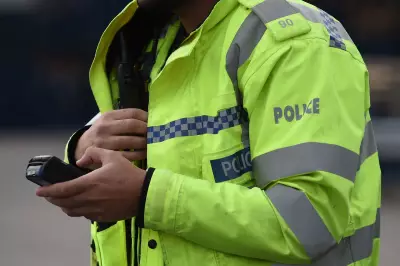
The Labour government has come under significant fire for what critics describe as inadequate funding of the British Transport Police. Official statistics reveal that officer numbers within the BTP fell by 112 in the year leading up to September 2025, raising serious questions about resource allocation and public safety priorities. Shadow transport secretary Richard Holden launched a scathing attack, stating: 'Labour has completely lost the plot on public transport. They are stripping officers off the rail network just as violence, harassment and fare evasion are surging across the system.'
Union and Expert Concerns
Eddie Dempsey, general secretary of the RMT union, expressed profound concern about the statistics, commenting: 'These are deeply disturbing figures that underline why we need a properly funded BTP, an end to lone working practices, and more staff on trains and stations. There is an epidemic of sexual violence against women and girls across our society, so it is absolutely incumbent on the trade union movement and wider community to confront these evils head on with adequate resources and commitment.'
Retired detective chief superintendent Kevin Moore, formerly head of CID at Sussex Police, added his professional perspective: 'Cuts to officer numbers, whether on the railways or elsewhere in the policing landscape, will of course always have a negative impact on police performance and investigative outcomes. Reduced resources inevitably mean fewer officers available for proactive patrols, evidence gathering, and thorough case follow-ups.'
CCTV Coverage and Station Hotspots
In response to growing safety concerns, most trains and stations across the UK network are now equipped with comprehensive CCTV camera systems. This technological investment aims to increase the safety of rail users while providing crucial evidence to assist police investigations when crimes do occur. Analysis of the data reveals specific station hotspots linked to the highest numbers of recorded sex crimes.
In London, the stations with the most incidents were Euston (29 offences), King's Cross (28), Waterloo (23), Green Park Underground station (21), and London Bridge (20). Outside the capital, the worst-affected stations included Birmingham New Street (27 offences), Glasgow Central (20), Manchester Piccadilly (19), Liverpool Lime Street (14), and Reading (13).
Police Response and Reporting Confidence
A spokesperson for the British Transport Police provided context to The Mail on Sunday, suggesting that the rise in recorded sexual offences might be 'partly driven by increased public confidence to report crimes of this nature.' This interpretation indicates that more victims may be coming forward rather than necessarily indicating an absolute increase in criminal incidents, though the record numbers remain deeply troubling for transport safety advocates and policymakers alike.