A dramatic armed police standoff erupted in Cramlington, Northumberland, after a man wielding a firearm threatened to shoot officers directly in the head during a prolonged and highly tense confrontation. The incident, which required a significant deployment of armed response units and emergency services, began when police were alerted to reports of a individual violently smashing the windows of his own property.
Confrontation Escalates with Direct Threats
Upon arrival, officers quickly surrounded the residence, only for the situation to escalate dangerously. The suspect, identified as Christopher Swann, who suffers from paranoid schizophrenia, made explicit and chilling threats against the police. He declared his intention to shoot the officers in the head, leading to an uneasy stalemate that lasted for an extended period as negotiators worked to de-escalate the crisis.
Emergency Services Mobilise at Scene
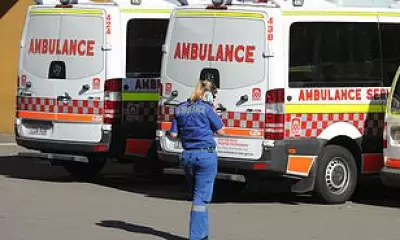
The scene in Cramlington was cordoned off extensively, with armed police units taking up strategic positions around the house. Multiple emergency service vehicles, including ambulances and fire crews, were also present on standby, highlighting the severity of the threat and the potential for violence. Residents in the vicinity were advised to remain indoors as the operation unfolded under a cloud of intense uncertainty.

Mental Health Considerations in Policing
This alarming incident underscores the complex challenges faced by law enforcement when dealing with individuals experiencing acute mental health crises. The involvement of a person diagnosed with paranoid schizophrenia adds a critical dimension to the standoff, raising questions about the protocols and support systems in place for such high-risk encounters. Authorities are now reviewing the response to ensure both public safety and appropriate care for those in distress.
The standoff ultimately concluded without any shots being fired, thanks to the coordinated efforts of the police negotiators and tactical teams. However, the event has left a lasting impact on the local community and sparked broader discussions on mental health interventions within emergency policing scenarios.