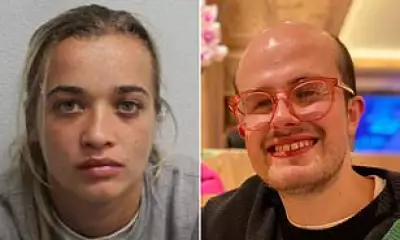
DNA Breakthrough Offers Hope in 40-Year-Old Birkenhead Murder Mystery
Nearly four decades after the brutal murder of young florist Diane Sindall, police in Merseyside have revealed that new DNA evidence could finally identify the killer known as the 'Beast of Birkenhead'. The development comes just one year after Peter Sullivan, who served 38 years for the crime, had his wrongful conviction overturned by the Court of Appeal.
A Tragic Night in 1986
Diane Sindall, aged just 21, was raped and murdered on August 2, 1986, as she made her way home from her part-time job at the Wellington pub in Bebington. After her blue Fiat van ran out of petrol, several witnesses reported seeing her walking along the road between midnight and 12.20am. Her body was discovered twelve hours later, sparking one of Merseyside's most enduring murder investigations.
The case took a dramatic turn last year when Peter Sullivan, now 68, was released from prison after serving what became the longest miscarriage of justice in UK legal history. His conviction, based on discredited bite mark evidence and confessions allegedly made under duress, was quashed when new DNA evidence emerged that excluded him from the crime.

Modern Forensic Advances Provide New Leads
Detective Superintendent Rachel Wilson, who leads the reinvestigation for Merseyside Police, explained the significance of the latest developments. "There's been lots of developments in terms of DNA work with Cellmark Forensic Services," she stated. "We've now got a DNA profile of a man unknown to us at this point. We didn't have that information at the time of the original murder back in 1986."
The investigation team, working in partnership with the National Crime Agency, has obtained forensic samples from around 500 people as part of their renewed efforts. To date, 461 males have been eliminated from the investigation, with results pending on a further 43 samples submitted earlier this month.
Det Supt Wilson highlighted how investigative methods have transformed since 1986: "Our focus now is on the DNA evidence. It's a completely different style of investigation now. We've got CCTV, telecommunications, dashcam footage. Back in 1986 a thorough investigation was completed, but they didn't have the opportunities that we have now."
Community Appeal and Substantial Reward
Despite the passage of time, investigators remain optimistic that someone in the Birkenhead community holds crucial information. "I think someone will know who is responsible," Det Supt Wilson asserted. "Whether it be a family member, somebody they knew through the neighbourhood, community or someone our concerns fell back in 1986."
To encourage information, Crimestoppers has announced a £20,000 reward for details that lead to the arrest and conviction of the murderer. Gary Murray, north west regional manager for the charity, emphasised: "Please help bring answers to Diane's family who have waited almost 40 years for justice. Someone, somewhere, knows what happened that night."
The charity assures potential informants of complete anonymity, with personal details never requested and communications untraceable.
Ongoing Investigations and Future Prospects
While police acknowledge the killer may now be deceased after forty years, they continue to pursue all available leads. The DNA profile obtained does not match any records on the national database and has been confirmed as not belonging to any member of Diane's family or her fiancé at the time.
Separately, the Independent Office for Police Conduct is investigating allegations made by Peter Sullivan regarding police conduct during his original case. He claims he was beaten in his cell and interviewed without appropriate legal advice.
Det Supt Wilson concluded with a determined message: "There is somebody out there, a man responsible for this horrendous sexual assault and the murder of Diane. If we could have that missing link which would help us to identify that man, it would be fantastic for Diane and for her family to understand who was responsible."

As the investigation enters its fifth decade, this new forensic breakthrough represents the most promising development in a case that has haunted the Wirral community since that tragic night in 1986.