Advanced DNA Technology Leads to Arrest in Historic NSW Sexual Assault Cases
New South Wales police have utilised cutting-edge DNA technology to secure an arrest in connection with historic sexual assault cases, marking a significant breakthrough in forensic investigations. Authorities allege that Robert Wayne Kwan, aged 77, is responsible for three separate attacks spanning an 11-year period.
Details of the Alleged Crimes and Arrest
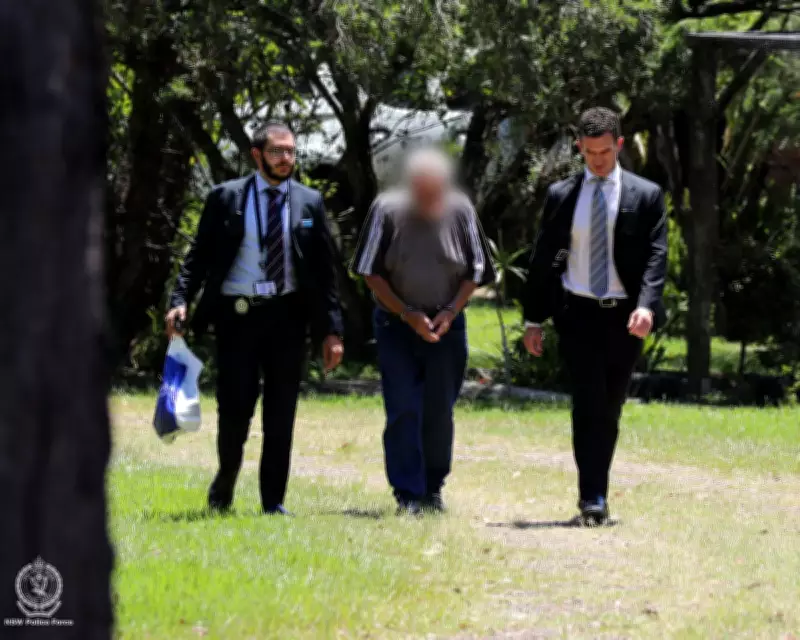
Kwan was apprehended after detectives executed a search warrant in South Kempsey on the NSW north coast on Wednesday. He subsequently faced court on Thursday, charged with nine counts of sexual assault and several kidnapping offences. The alleged incidents involve an 11-year-old girl in Sydney's west in 1991, a 16-year-old girl in the Illawarra region in 1996, and a 26-year-old woman in Dubbo in 2002.
Forensic Investigative Genetic Genealogy in Action
NSW police employed forensic investigative genetic genealogy (Figg) to compare DNA profiles from multiple crime scenes, a technique famously used in 2018 to identify the Golden State Killer in the United States. Unlike traditional forensic methods that analyse 21 genetic markers, Figg examines hundreds of thousands of markers to identify familial connections as distant as fourth cousins.

DNA markers were cross-referenced against two publicly available genealogy databases, GEDmatch PRO and FamilyTreeDNA, which permit law enforcement access to consenting profiles for solving serious crimes. NSW detectives initiated the use of this technology in 2022 to review unsolved sex crimes, allegedly linking three cases to a single male DNA profile.
Public Cooperation and Broader Implications
Detective Superintendent Jayne Doherty, commander of the sex crimes squad, encouraged the public to consider opting in on genealogy websites to enable law enforcement comparisons. She emphasised that such access is strictly reserved for severe victim-based offences, including homicides, sexual assaults, and identifying human remains.
Doherty noted that other Australian states are also adopting this technology, with a prior arrest made in Western Australia using similar methods. She reiterated the commitment of detectives to pursue all available avenues, regardless of the time elapsed since the crimes.
Legal Proceedings and Future Steps
Kwan did not apply for bail and is scheduled to return to Kempsey Local Court on 22 April. This arrest represents the first instance in NSW where Figg technology has directly led to an apprehension, highlighting its potential in resolving long-standing criminal cases.