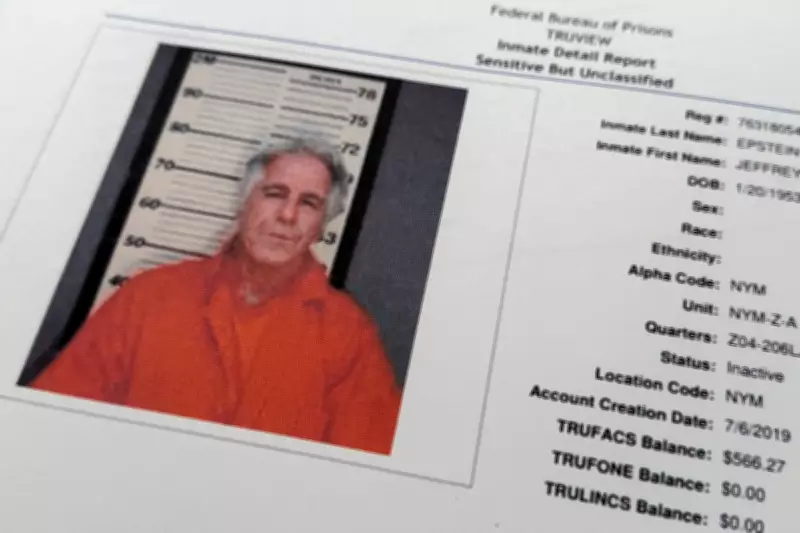
Dr Kristin Roman, the medical examiner who conducted the autopsy on Jeffrey Epstein, has disclosed that she initially hesitated to rule his death a suicide, marking it as "pending studies" on his death certificate. This revelation sheds new light on the controversial case that has sparked widespread conspiracy theories and ongoing public scrutiny.
Initial Hesitation and Professional Caution
Roman explained to investigators that her hesitation stemmed from a desire to be thorough, particularly given Epstein's high-profile status. She stated that if he had not been such a prominent individual, she would have made the suicide determination sooner. This cautious approach highlights the pressures and complexities involved in high-stakes forensic investigations.
Requests Denied and Scene Analysis
In her pursuit of a comprehensive assessment, Roman requested to interview the officer who discovered Epstein's body and to view his jail cell directly. However, these requests were denied by authorities. Instead, she was provided with photographs of the scene, which she used to inform her analysis. This limitation in access has raised questions about the transparency of the investigation process.
Official Ruling and Persistent Theories
Despite Roman's initial hesitation, the official ruling of suicide was later confirmed by then-Chief Medical Examiner Dr Barbara Sampson. However, theories of homicide continue to persist, fueled by statements from forensic pathologist Dr Michael Baden and Epstein's brother. They have cited evidence such as neck fractures to support their claims, adding to the ongoing debate.
Ghislaine Maxwell's Stance and Legal Developments
Ghislaine Maxwell, Epstein's convicted accomplice, has also publicly stated that she does not believe he died by suicide. Her comments come as new documents related to the case are being released under the Epstein Files Transparency Act, potentially offering further insights into the circumstances surrounding his death.
The case remains a focal point for discussions on forensic integrity, high-profile investigations, and the challenges of ruling on deaths under intense public and media scrutiny.