Former Army Colonel Claims Gerry Adams Was Central IRA Figure
A retired British Army colonel with extensive intelligence experience during the Northern Ireland conflict has provided explosive testimony in the High Court, stating unequivocally that former Sinn Féin president Gerry Adams served on the Provisional IRA's Army Council.
Intelligence-Based Allegations
Richard Kemp, who completed nearly three decades of military service including seven tours in Northern Ireland between 1979 and 2001, told the court he reached his "unequivocal conclusion" about Adams' IRA role based on intelligence gathered by multiple security agencies.
"I was privy to a multitude of intelligence that made it clear Adams was one of the most prominent PIRA figures," Kemp stated in his written witness submission. "We were provided with photographs of him by military intelligence and ordered by our commanders that if we encountered him on the street, we were to question him on his activities."

Legal Action by Bombing Survivors
The testimony comes as part of a civil case where Adams faces claims for "vindicatory damages" of just £1 from three survivors of IRA bombings in England between 1973 and 1996. The claimants allege that Adams' leadership position within the IRA made him "directly responsible" for terror attacks on the British mainland during the Troubles.
The plaintiffs include:
- John Clark, victim of the 1973 Old Bailey attack
- Jonathan Ganesh, injured in the 1996 Docklands bombing
- Barry Laycock, injured in the 1996 Manchester Arndale Shopping Centre attack
Specific Allegations and Intelligence Claims
Kemp asserted that Adams' involvement with the IRA extended to specific violent incidents, stating: "Adams was also named in that intelligence as being responsible, in that he gave the orders for, the Bloody Friday massacre in 1972." This refers to a series of bombings in Belfast that killed nine people and injured 130.
Regarding the bombings cited in the lawsuit, Kemp testified: "They would have all required sign off from the Army Council. This very high-profile activity simply could not have been carried out without the Council's knowledge and approval."
Adams' Consistent Denials
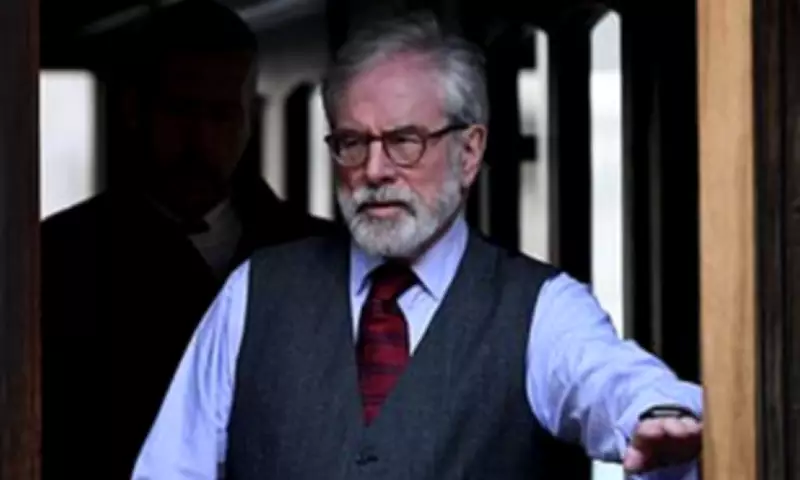
Adams, now 77, has consistently denied membership in the IRA throughout his political career. His defense maintains that any meetings with IRA figures or British government officials occurred strictly within his capacity as a Sinn Féin representative working toward peace.
The former Sinn Féin president contends he played no role in the bombings and rejects allegations of IRA membership outright.
Additional Witness Testimony
The trial has heard from multiple witnesses attempting to establish Adams' IRA connections. Former IRA explosives expert Shane O'Doherty testified about the risks of speaking against IRA leaders, noting that a witness in a previous libel case had been murdered months after giving evidence.
O'Doherty stated: "Adams would not have been able to meet with senior IRA leaders unless at the very least he had the first level of security which is to swear the oath of allegiance [to the IRA]. Unless you have done that you can't be trusted."
Historical Context and Intelligence Corroboration
Kemp detailed Adams' alleged progression within the IRA structure, noting: "Adams' origins I understand to have been in the Belfast Brigade, but from the intelligence I saw he had worked his way to leadership of the brigade and other more senior roles."
He added that intelligence from the Army, MI5, and the Royal Ulster Constabulary all pointed to Adams' central position within the Provisional IRA hierarchy, with multiple sources corroborating this assessment at various classification levels.
Ongoing Legal Proceedings
The civil trial continues as claimants seek to prove Adams' senior IRA membership during the period when the bombings occurred. The case represents one of the most significant legal examinations of Adams' alleged paramilitary connections in recent years.

Earlier testimony revealed that an RUC Special Branch intelligence officer had described Adams as the terror group's "de facto leader," while other evidence pointed to his wearing of IRA insignia at a 1971 funeral as indicative of membership.