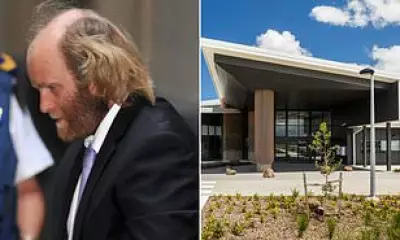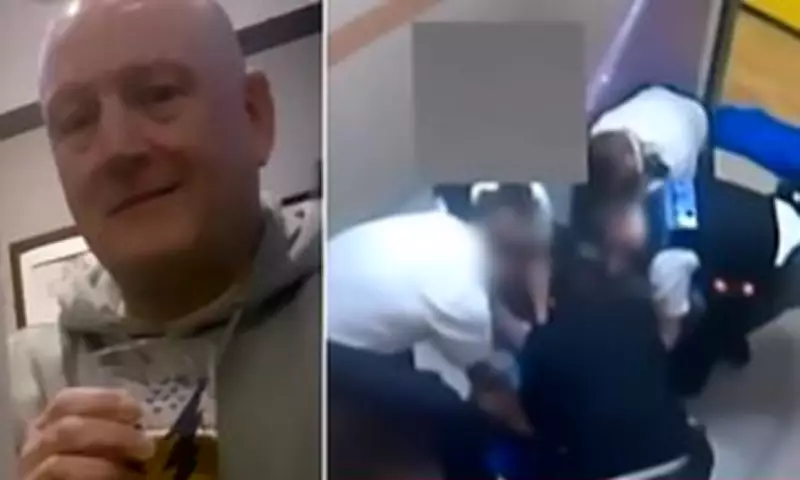
A former Metropolitan Police officer who was captured on undercover BBC footage making jokes about rape and sexual assault has been found guilty of gross misconduct, but will not face any additional disciplinary sanctions. The case involves ex-police constable Brian Sharkey, who retired in May last year, and whose comments were broadcast in a BBC Panorama documentary in October.
Details of the Misconduct Hearing
The misconduct hearing, held in south London, heard that Mr Sharkey made a series of inappropriate remarks in the footage, which included belittling claims of racial bias and discussing the disposal of evidence. Panel chairman Commander Stephen Clayman ruled that Mr Sharkey's behaviour breached professional standards, concluding the proceedings with a finding of gross misconduct but no further action. The full reasons for this decision will be detailed in a written judgment at a later date.
Comments on Sexual Offences
Commander Clayman specifically addressed Mr Sharkey's comments about sexual offences, stating that they undermine public confidence in policing. He emphasised that this is particularly damaging at a time when police forces, especially the Metropolitan Police, are striving to demonstrate their seriousness in handling violence against women and girls.

The tribunal heard that in January last year, after a shift, Mr Sharkey and his colleagues were at a pub discussing a police officer who had avoided consequences for sexual assault. Footage from that evening showed Mr Sharkey saying, "If you are going to get accused of it you might as well f****** do it then," and adding, "If you go down for a sexual assault you might as well go down for rape." He later claimed these were jokes, apologising and stating, "That was wrong, I do apologise."
Impact on Public Trust
Cecily White, representing the Metropolitan Police, argued that such jokes, even if intended humorously, can severely undermine public trust. She explained that they risk giving the impression that police officers do not take allegations of sexual assault or rape seriously, treating them as mere laughing matters. This, she noted, could deter victims from coming forward and erode confidence in law enforcement.
During his evidence, Mr Sharkey admitted that his comments were a "poor example" and "very, very, very wrong." He claimed he was attempting to illustrate how trivialising minor issues can devalue more serious matters, but acknowledged the inappropriateness of his words. He expressed regret, stating, "I take sexual assault very, very seriously, do not trivialise it at all."
Additional Controversial Remarks
The hearing also addressed other incidents captured in the footage. In August 2024, Mr Sharkey was filmed on a break during a night shift dismissing claims of racial bias during stop-and-search operations, referring to them as "spurious excuses." He described individuals making such claims as giving "a whole load of a mouth full of shit." Ms White highlighted that stop-and-search powers are a legitimate public concern, especially regarding black and minority communities.
Mr Sharkey defended himself, saying he "was not being racist at all" and that he got "very tongue-tied" during the conversation. He asserted that he recognises abuse of power over racial bias as a serious concern and did not intend to trivialise it.
Discussion on Evidence Disposal
Further footage from the pub evening in January last year showed Mr Sharkey talking to an undercover journalist about who to bring into custody. He mentioned a scenario involving an office worker with class A drugs, suggesting evidence could be "dropped" to avoid prosecution, while noting different rules would apply to someone with a criminal record. Mr Sharkey later clarified that he was recounting a story from his probation days two decades ago, not describing his own actions, but admitted he explained it poorly, giving the wrong impression.
Panel Findings and Broader Context
The panel found that Mr Sharkey's comments breached professional standards in authority, respect and courtesy; discreditable conduct; and equality and diversity. However, they did not rule that a separate sexual innuendo he made breached standards. Notably, Mr Sharkey will not be placed on the police barred list despite the gross misconduct finding.

This case is part of a wider scandal exposed by the BBC Panorama documentary aired on October 1 last year, which featured undercover footage from Charing Cross police station. Seven other police officers have been sacked following the investigation, including Pc Sean Park, Sergeant Lawrence Hume, and others, all dismissed for gross misconduct.
Ongoing Investigations
The Independent Office for Police Conduct (IOPC) confirmed that criminal investigations are still ongoing into two Metropolitan Police officers. One former constable is being investigated for potentially perverting the course of justice, while a serving sergeant, arrested the day after the programme aired, is under suspicion for similar offences related to an incident at Charing Cross station. Additionally, two more serving officers are under investigation for potential gross misconduct involving inappropriate comments about force and derogatory remarks.
IOPC Director Amanda Rowe expressed shock at the conduct shown in the documentary, praising the swift investigative work that led to dismissals. She emphasised the importance of holding officers accountable to maintain public confidence, noting ongoing efforts to address cultural issues within the Met.
Metropolitan Police Response
Met Police Commander Simon Messinger, responsible for Anti-corruption and Abuse, stated that the actions of those featured in the programme have a clear negative impact on public trust. He affirmed that it is right these officers are no longer with the Met, highlighting broader efforts to raise standards, which have seen over 1,400 officers and staff leave the organisation in the past three years. The Met continues to support the IOPC investigation while working to address cultural problems that allowed such behaviour to persist.
Friday's proceedings concluded eight accelerated misconduct hearings scheduled after the Panorama broadcast, marking a significant step in addressing misconduct within the force, though questions remain about accountability and reform.