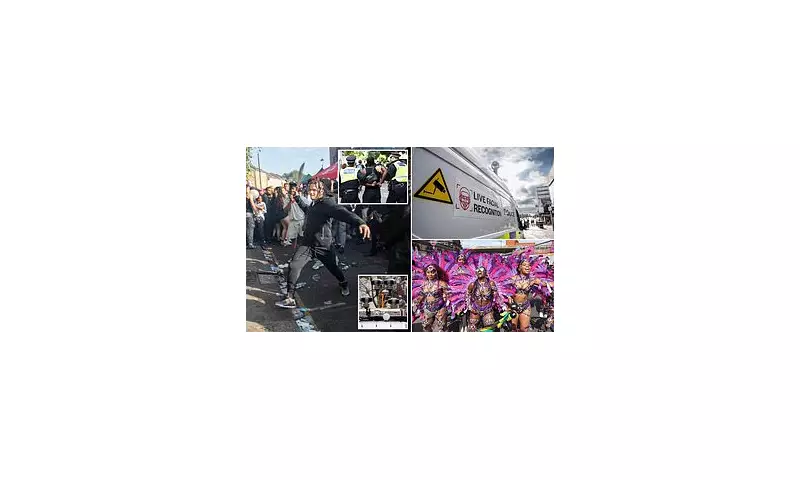
The Metropolitan Police has announced the use of live facial recognition (LFR) cameras at this year's Notting Hill Carnival in a major crackdown on violence. The controversial move aims to identify known offenders in real-time, but has raised concerns among civil liberties groups.
High-Tech Policing at London's Iconic Event
Scotland Yard revealed that mobile LFR units will scan faces in the crowd and cross-reference them against watchlists of individuals wanted for violent crimes. The technology, which processes biometric data on the spot, represents one of the most significant deployments of surveillance tech at a UK public event.
Balancing Safety and Privacy
While police emphasize the system's role in preventing serious incidents, privacy advocates warn of overreach. "This turns every carnival-goer into a suspect," said a representative from Liberty. The Met counters that the technology will only flag individuals with outstanding warrants or those banned from attending.

Carnival Security Overhaul
The facial recognition rollout comes alongside other security measures:
- Increased stop-and-search powers
- Knife arches at key entry points
- Undercover officers in the crowd
- Drones for aerial surveillance
Last year's carnival saw 75 arrests, including for violent offences and drug possession. Police hope the new measures will significantly reduce these numbers.
How the Technology Works
The LFR system creates a biometric map of each face, measuring distances between features. These digital fingerprints are instantly compared against police databases. Matches trigger alerts to nearby officers, though human verification occurs before any arrest.
With over a million attendees expected, the Notting Hill Carnival remains Europe's largest street festival - and one of policing's most complex challenges. This year's event will test whether cutting-edge technology can enhance public safety without compromising civil liberties.