Family Questions Police Tactics After Dezi Freeman's Deadly Standoff
As the loved ones of Dezi Freeman attempt to rebuild their shattered lives in the wake of his violent death, one haunting question continues to torment them relentlessly. Why, during a three-hour police negotiation with the fugitive at a remote Walwa property on Monday, was no one from his family ever called upon to assist? This critical inquiry lies at the heart of their grief and confusion.
A Devastating Revelation
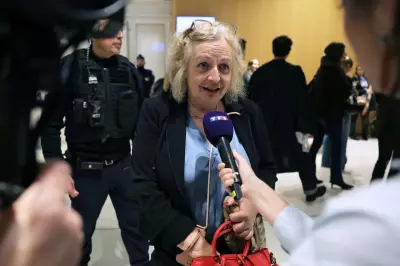
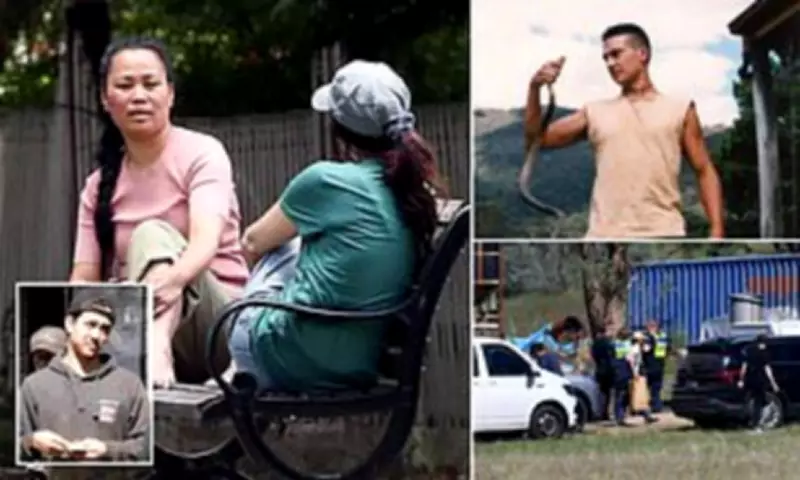
Mali Freeman and her eldest son Koah had spent seven agonising months under the belief that the father-of-three had already taken his own life. They were utterly blindsided to discover he had been alive, just hours away, only to be shot dead in a hail of bullets during the police operation. The family is now left to wonder whether hearing their voices one more time might have convinced Freeman to surrender peacefully.
'No one called them until it was all over,' a close friend revealed to the Daily Mail. 'Clearly, asking for their help was never part of the police plan, because they would have needed to be picked up ahead of time and properly prepared. You cannot simply land that sort of immense responsibility on someone completely out of the blue.'

The Fatal Confrontation
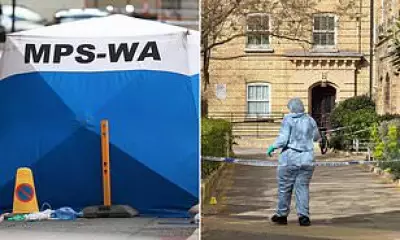
The standoff concluded when up to eight officers from Victoria Police's elite Special Operations Group returned fire after Freeman shot at them twice. This brought an end to what has been described as Australia's largest ever tactical police operation. The confrontation occurred at a compound on a supposedly abandoned farm in Walwa, located in Victoria's north-east.
Those closest to Dezi Freeman will never know if the deadly standoff could have ended differently. They are left with only painful questions, such as whether a single phone call to his wife, son, or brother might have been sufficient to break the deadlock. In fact, Freeman's close friend, Bruce Evans, who claimed he was in almost daily contact with the fugitive before he went on the run, had previously volunteered to assist with any future negotiations.
Police Protocols and Family Engagement
While the specific details of active police negotiations are typically kept confidential for public safety reasons, Australian policing protocols do reference engaging family members during crisis situations. Negotiators are trained to manage communications with next-of-kin and anyone who may be able to assist in hostile environments, often by establishing a dedicated 'communication cell'.
In this particular case, however, police appear to have decided against involving anyone outside their specialist operations teams. This decision has left the family grappling with the possibility of a missed opportunity for a peaceful resolution.
A Prolonged Manhunt and Misguided Search
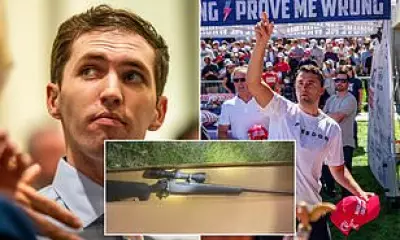
In the weeks following Freeman's disappearance from his Porepunkah home on August 26, his son Koah admitted he had resigned himself to the belief that his father was, in all likelihood, already deceased. Then, on February 2, Victoria Police announced they too strongly believed Dezi had taken his own life just hours after he killed two police officers—Senior Constable Vadim De Waart-Hottart and Detective Leading Senior Constable Neal Thompson.
Police cited a single gunshot reportedly heard a short time after Freeman fled into the bush with a stolen police weapon. Pursuing this theory, more than 100 officers and volunteers launched a fresh five-day search of a specific area within Mount Buffalo National Park, hoping to recover his body.
By this stage, however, Dezi Freeman was already 188 kilometres away, having just survived a ferocious bushfire that ripped through the Upper Murray region. It was in late January, once the fires had finally been brought under control, that crews first began assessing the damage. The Daily Mail has been informed that this was when 'unusual activity' was first noticed at the farm where he was hiding, which had been marked as 'unoccupied' during the evacuations.

Surveillance and Speculation
Police have since confirmed that Freeman was under surveillance for weeks before officers decided to move in. Those close to the family believe this lengthy delay was a deliberate tactic, designed to identify whether anyone may have been harbouring or aiding him. Nevertheless, they remain convinced he was acting entirely alone throughout the ordeal.
'People seem to think Dezi being a skilled bushman and a survivalist is more of a hobby, like bushwalking or camping,' the friend explained. 'But he has lived off-grid and off the land many times before for months on end. This was no different to him.' Freeman was described by those who knew him as an experienced bushman who knew the Victorian high country intimately.
The coroner is now leading an independent investigation into the entire saga, which may provide some answers to the family's lingering questions about the police tactics employed during the final, fatal negotiation.