A Solemn Anniversary: Remembering the Potomac Midair Collision
Families and emergency responders are gathering this week to mark a sombre milestone: the one-year anniversary of the catastrophic midair collision over the Potomac River near Washington, D.C. The incident, which claimed sixty-seven lives, remains the deadliest aviation disaster on American soil in over two decades. For the hundreds of first responders who raced to the scene, the memories of that night—characterised by frigid waters, hazardous debris, and the profound absence of survivors—are indelibly etched into their minds.
Indelible Memories from a Night of Tragedy
For some personnel, the most haunting recollections involve the personal effects scattered across the crash site. The sight of children's luggage and small ice skates, belonging to young figure skaters returning from a competition, has become an enduring symbol of the sudden loss. Others vividly recall the challenging navigation of boats through shallow, debris-filled waters to bring victims ashore. The abruptness of the tragedy is a recurring theme; individuals who were mere seconds from a safe landing at Ronald Reagan Washington National Airport were gone in an instant.
The collision involved American Airlines Flight 5342, travelling from Wichita, Kansas, to Washington, and an Army Black Hawk helicopter. All sixty-four passengers and crew on the airliner, along with the three personnel on the helicopter, perished when the aircraft collided on January 29, 2025. District of Columbia Fire and EMS Chief, John Donnelly, recounted the grim realisation that set in early: "We knew at the one-hour mark there weren’t going to be any survivors." The mission swiftly transitioned from one of rescue to one of recovery.

The Harrowing Recovery Mission
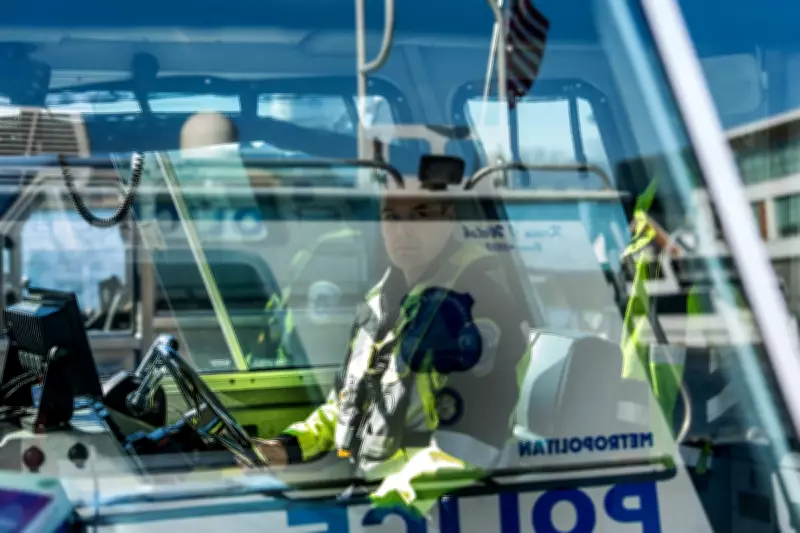
The response was immediate and massive, triggering the region's largest emergency mobilisation since the September 11, 2001 attacks. By midnight, approximately 350 responders from dozens of agencies were on the scene, including twenty to thirty divers from harbour patrol units. They faced nearly zero visibility in the murky, cold Potomac, braving the presence of jet fuel and jagged wreckage.
Metropolitan Police Department scuba diver Robert Varga, a sixteen-year veteran, described the initial call: "The first time you hear it, like anything else, your stomach drops. We know it’s going to be a serious scene if they’re going to call us." Washington fire rescue squad Lieutenant Sam Short, among the first to arrive, spoke of the scene's chaos and the gruesome sights that defy easy description.
Over nearly a week, divers painstakingly recovered all victims from about eight feet of water. For months afterward, teams continued scouring the river for personal belongings—a task that offered a small measure of purpose. Police diver Jeffrey Leslie noted that recovering items like earrings, wedding bands, and children's skates provided a form of therapy, as returning them to grieving families was deeply meaningful.
Lasting Impact and the Search for Healing
The emotional and psychological toll on the responders has been significant and enduring. Lieutenant Andrew Horos, harbour master for the district's police department, emphasised that mental health support is paramount, stating "You can’t really prepare your members or anyone for that." In the aftermath, the International Association of Fire Fighters dispatched peer support personnel, meeting with seventy-five percent of the firefighters and paramedics involved.
Edward Kelly, the union's president, highlighted the particular difficulty of an incident involving so many children, noting that many responders are parents themselves. For some, like Lieutenant Short—who also responded to the 2001 Pentagon attack—the past year has been a struggle, with several team members requiring extended leave due to the trauma.
For the families of the victims, interactions with responders have been a crucial part of the grieving process. Tim Lilley, a former Black Hawk pilot whose son Sam was the co-pilot of Flight 5342, was taken to the crash site by first responders later in the spring to lay flowers. "We were able to talk to the actual person that helped pull my son out of the water. It was a huge emotional experience, and it was so healing," he shared.

A memorial held in Washington this week honoured both the families and the emergency personnel. As the community reflects on the past year, the dedication of those who worked through the tragedy continues to offer a sliver of closure amidst enduring grief.