French Influencer Arrested in Dubai for Filming Iranian Missile Strikes
French Influencer Arrested in Dubai Over War Footage

French Influencer Detained in Dubai Over War Footage

Maeva Ghennam, a 28-year-old French influencer with three million Instagram followers, was reportedly arrested in Dubai days after she filmed herself expressing fear as Iranian missiles illuminated the sky around her. The incident occurred while she was recording an advertisement for her social media audience, during which she nervously admitted, "My knees are shaking," while explosions rang out nearby.

Widespread Crackdown on Social Media Posts

According to French news outlet France Info, Ms Ghennam was detained alongside three other French nationals for filming and disseminating images of the war. This arrest is part of a broader pattern, as dozens of people have been detained in the United Arab Emirates for sharing footage of Iran's attacks. Authorities are attempting to preserve Dubai's care-free image by suppressing such content.

In a separate case, a European tourist was arrested on March 9 for posting a picture of the world-famous Fairmont The Palm hotel on fire after an Iranian drone attack. The father of three was taken to Al Qusais police station, with authorities initially claiming he would be returned within one or two hours, but he has not been seen since. Human rights group Detained in Dubai reports that he is being held without access to a lawyer, embassy, or phone, forced to sleep on the floor and fed only rice.

Wide Pickt banner — collaborative shopping lists app for Telegram, phone mockup with grocery list

Denials and Legal Consequences

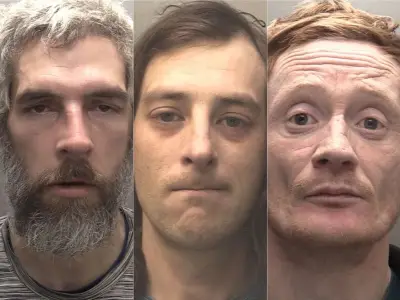
Ms Ghennam has since denied the arrest in an Instagram post, stating, "I don't understand why there are all these articles about me in relation to Dubai... I was never taken into custody for this; this story is false and I didn't get a fine." However, over the weekend, UAE police released mugshots of 25 people arrested for sharing "war footage," indicating a systematic effort to control information.

Last week, a 60-year-old British man was among 21 people charged under cyber-crime laws for videos and social media posts related to the missile strikes. The Londoner is accused of "broadcasting, publishing, republishing or circulating rumours or provocative propaganda that could disturb public security." He claimed to have deleted the video when asked and had no intention of wrongdoing.

Government Response and Social Media Policing

Dubai's government heavily polices social media, responding to the conflict by threatening jail for anyone sharing information that "results in inciting panic among people." Initially, videos of drone and missile strikes were common on social media, but these have largely been replaced by posts praising Dubai's government. Officials have even told residents that "big booms" in the sky are "the sound of us being safe" as the UAE air defence system takes action.

The British embassy in the UAE issued a warning on Instagram, noting that authorities have given "several warnings" regarding photographing, publishing, or sharing images and videos of incident sites or damage. The post emphasized that under UAE law, "sharing" includes posting on social media platforms and forwarding content via messaging apps. Additionally, UAE law restricts photographing certain sites, such as government buildings and diplomatic missions.

Recent Attacks and Damage Control

Dubai has been targeted by thousands of Iranian missiles and drones since the outbreak of the war. On Monday, an Iranian drone hit a fuel tank near Dubai Airport, sparking a massive fire that diverted flights and closed roads, with black smoke visible from miles away. Authorities quickly took to social media to reassure the public, calling it a "drone-related incident" that caused "minimal damage" and no injuries. This marks the first time the Dubai government admitted a drone caused damage, rather than debris from an interception.

The UAE stated it has been monitoring social media platforms to prevent the dissemination of "fabricated information and artificial content intended to incite public disorder and undermine general stability." On Saturday, it emerged that up to 100 people had been arrested by police in the UAE for filming drone or missile strikes, with Abu Dhabi Police alone detaining 45 individuals of multiple nationalities for posting clips on social media amid ongoing events.

Pickt after-article banner — collaborative shopping lists app with family illustration