ICE Agents' Secret Lives Exposed in Unprecedented Doxing Campaign
In a startling revelation, numerous US Immigration and Customs Enforcement (ICE) agents have been living double lives, concealing their true professions from neighbours, friends, and even family members. Jonathan Ross, the ICE agent who fatally shot protester Renée Good in Minneapolis earlier this month, reportedly told neighbours he worked as a botanist. Meanwhile, another ICE officer in Michigan spent years convincing parents of his son's hockey teammates that he was an insurance salesman. In California, an agent posed as a computer programmer to his own relatives, according to information obtained by the Daily Mail.
The ICE List: A Grassroots Movement Goes National
This culture of secrecy is now facing unprecedented exposure through a grassroots effort known as the ICE List, which emerged online earlier this month. The project publicly names hundreds of federal immigration staffers, revealing in many cases their contact information, resumé data, license plate numbers, vehicle details, and photographs. Accompanied by a constantly updated Wiki page, this nationwide doxing project represents perhaps the largest initiative of its kind, serving as a resource for journalists, researchers, advocates, and the general public.
The movement was organised by Dominick Skinner, an Irishman living in the Netherlands who declined to comment when contacted by email. Skinner is affiliated with Crust News, a platform describing itself as "a platform for people tired of being lied to, by media, by politicians, by those who claim neutrality while standing beside oppression." Their stated philosophy is clear: "We name names. We cite sources. We don't look away."

Fatal Shootings Spark Increased Activism
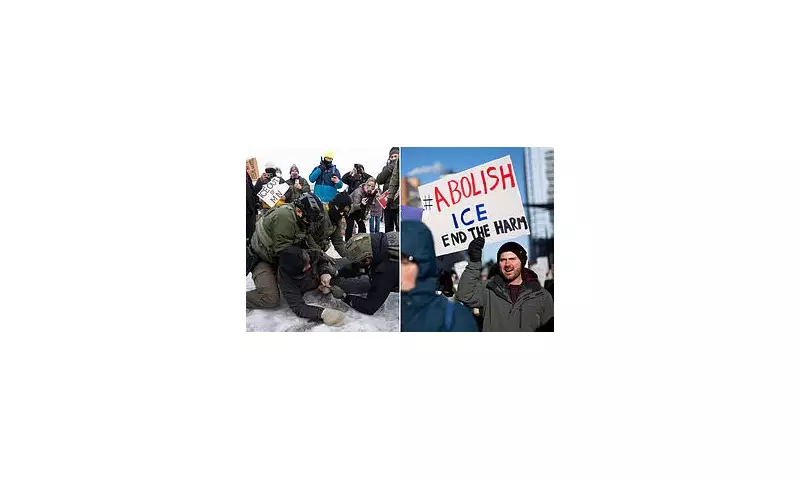
The ICE List emerged as an act of protest following agent Ross's fatal shooting of Good, a mother of three, in Minneapolis on January 7. The movement represents defiance against ICE's expanding presence in Minneapolis, Minnesota, and across the nation. The backlash has intensified following another ICE-related fatal shooting over the weekend, when 37-year-old Alex Pretti was killed during a confrontation with agents on an icy Midwestern roadway.
While the Department of Homeland Security claimed the agent "fired defensive shots" after Pretti approached them with a 9mm semi-automatic handgun, branding him a "domestic terrorist," witness accounts and video evidence have cast doubt on government claims that he posed an immediate threat to officers.
Social Media Amplifies the Exposure
The list has inspired numerous social media efforts designed to inform activists about ICE operations in their areas. Posts range from seemingly friendly introductions to more detailed accusations. One Threads post states: "Everyone say hi to Bryan," providing the officer's full name and noting he is "a National Deployment Officer for ICE in NYC." A Reddit post about another agent adds: "Say hello to Brenden," including his hometown and alleging he is "an ICE agent who was seen earlier this week brutalizing a pregnant woman in Minneapolis, MN."
Some posts take a more threatening tone, with one Instagram message about the same agent reading: "May we never allow him a peaceful day for the remainder of his life." The exposure has created particular tensions for agents from racial or religious minorities, who face criticism from within their own communities. One black officer named Smith received backlash online, with a Threads user posting: "Wow, brown arresting brown. Where is the loyalty to your own kind? Need the money that bad?"
Mixed Reactions and Mistaken Identities
Not all responses have been negative. A Threads user identified as Mrs Cone offered support to one officer, writing: "Thank you so much for all of your hard work! Prayers for you and your family." However, the doxing campaign has led to mistaken identities, with several people's names appearing incorrectly on the ICE List, including FBI agents, local sheriffs department officials, and workers for companies that contract with ICE.

Amsalu Kassau, a security worker at GEO, the private company operating an ICE immigration facility in Aurora, Colorado, expressed concern: "It is dangerous. It's unacceptable." Kassau, a former Aurora councilmember who lost her re-election bid in November amid backlash against immigration enforcement, added: "We all know that our immigration system is broken. If people aren't happy with it, they should call their member of Congress, not harass people who are just trying to do our jobs and put out information that puts our lives in danger."
Community Responses and Security Concerns
In nearby Denver, a group of women in their 50s and 60s delayed their reading of Arundhati Roy's memoir to research local agents on the ICE List and pass information to activists for social media posting. The group even invited a private investigator to their monthly meeting last week to coach them on research techniques. One book club member explained their motivation: "We're trying to dig up everything we can on these goons. It makes us feel like we're doing something, somehow, to avenge (what happened to) Renée."
Privacy experts, local police officials, and FBI agents have been advising ICE agents nationwide to remove as much private information as possible from the internet and remain vigilant during this period of widespread discontent with immigration enforcement. Robert Siciliano, a security analyst and expert on privacy and online harassment, noted: "There's a fear, a legitimate one, that someone who is mentally unstable could see these names and resort to violence."
Nevertheless, Siciliano expressed limited empathy for government officials complaining about their identities being made public: "If that's your chosen profession, why hide it? You reap what you sow." This sentiment reflects the growing tension between law enforcement transparency and officer safety in an increasingly polarised immigration enforcement landscape.