Minneapolis Community on High Alert as Federal Immigration Operations Continue Unabated
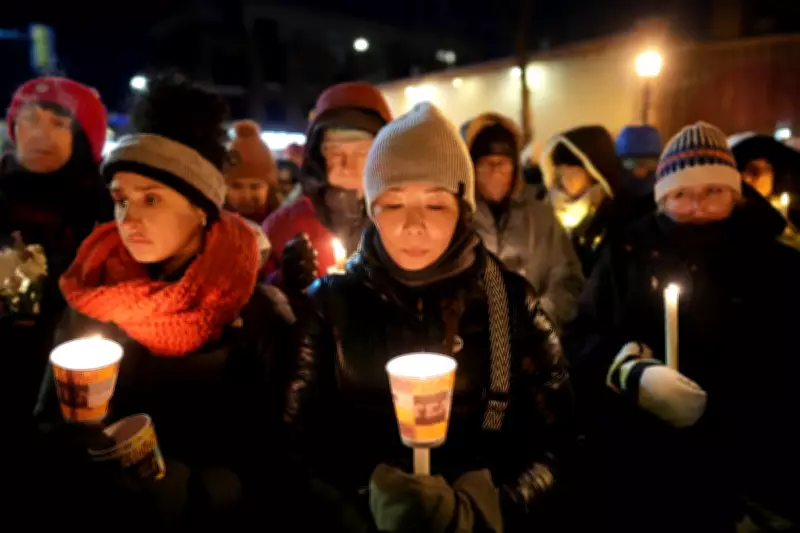
The city of Minneapolis remains gripped by tension and fear despite recent political overtures from the Trump administration, with federal immigration enforcement actions persisting in neighbourhoods across the Twin Cities area. This ongoing situation follows the tragic deaths of two individuals during separate encounters with Immigration and Customs Enforcement officers in recent weeks, creating a climate of uncertainty that shows little sign of improvement.
Political Promises Fail to Materialise in Practical Changes
Earlier this week, President Donald Trump announced what he described as productive conversations with Minnesota Governor Tim Walz and Minneapolis Mayor Jacob Frey, suggesting a potential de-escalation of federal immigration operations in the region. The administration subsequently replaced Gregory Bovino, the senior border patrol official initially overseeing the Minnesota crackdown, with Tom Homan, Trump's former acting ICE director who has been dubbed the administration's "border czar."
Despite these political manoeuvres, residents report no meaningful change in enforcement activities. Elizabeth, a south Minneapolis parent who requested only her first name be used for safety reasons, told reporters that her neighbourhood Signal group chat continues to buzz with constant alerts about ICE sightings. "We're still seeing the vehicles in the neighbourhood," she explained, noting that just this Wednesday afternoon she received warnings about increased federal presence at her local bus stop.

Educational and Community Impacts Deepen
The psychological and practical consequences of this sustained enforcement operation are rippling through Minnesota communities. Brenda Lewis, superintendent of the Fridley public school district located approximately ten miles north of Minneapolis, has expanded remote learning options for students too frightened to attend classes in person. "This is about children, predominantly children of colour, being treated as less than human," Lewis stated during testimony at the state capitol this week. "Our school district has been directly targeted, and we cannot pretend otherwise."
Throughout the ongoing enforcement surge, Elizabeth has continued delivering groceries and transporting children to school for families too terrified to leave their homes. "Many of them haven't left their home in seven to eight weeks," she revealed, adding that some families have fled the city entirely to escape the constant threat of immigration enforcement actions.
Political Rhetoric Escalates Amid Continuing Operations
Despite his earlier claims of seeking de-escalation, President Trump resumed his confrontational rhetoric just days after his supposedly cordial conversations with Minnesota officials. On his Truth Social platform, the president accused Mayor Frey of "playing with fire" after the mayor reiterated that local police should not enforce federal immigration laws. This pattern of contradictory messaging has left many Minnesotans sceptical about any genuine shift in administration policy.
Governor Walz, visiting the makeshift memorial where ICU nurse Alex Pretti was killed, expressed similar doubts about meaningful change. "I'm not so interested in a shift in tone," he told reporters. "We just need them out of here, and we need accountability for what's happened." His comments came as Attorney General Pam Bondi announced sixteen arrests in Minneapolis for allegedly assaulting federal officers and impeding law enforcement, with more expected to follow.
Long-Term Consequences and Community Resilience
In neighbouring St. Paul, city council member Molly Coleman continues taking shifts to watch for ICE agents at her son's daycare centre, reflecting the pervasive anxiety that has settled over immigrant communities. "People are really guarding against false optimism," Coleman observed. "I don't think anybody in Minnesota is under any illusions that we are suddenly safer than we were this time last week."

Coleman warned about the potential long-term consequences of the current situation, from educational disruption and economic strain to missed medical appointments with serious health implications. "We will be dealing with the consequences of this for years," she predicted. "I don't think anybody knows what that will look like, or is fully prepared for it."
Political Violence Compounds Existing Tensions
The climate of fear has now extended to Minnesota's elected officials as well. Democratic Congresswoman Ilhan Omar was attacked during a town hall meeting this week when a man sprayed her with an unidentified liquid. Although lawmakers from both parties condemned the assault, President Trump responded with characteristic belligerence, suggesting without evidence that Omar "probably had herself sprayed, knowing her."
Omar directly attributed the incident to the president's persistent rhetoric against her and immigrant communities. "The facts of the situation are that I wouldn't be where I am today, having to pay for security ... if Donald Trump wasn't in office, and if he wasn't so obsessed with me," she stated following the attack.
Community Solidarity Amid Government Inaction
For residents like Elizabeth, recent events have only reinforced her belief that efforts by state and local officials to negotiate with the Trump administration are ultimately futile. While she maintains faith in her neighbours' willingness to support one another while their "community is being held hostage," she sees little prospect of meaningful change coming from Washington.
"We're dealing with a bully, and right now, if they leave Minnesota, they lose," Elizabeth concluded. "And I don't think he's going to leave if he's gonna come across as a loser." This sentiment captures the grim reality facing Minneapolis residents as they navigate an uncertain future with federal immigration operations showing no signs of abating despite political promises to the contrary.