An official inquiry has delivered a devastating verdict on the 2021 Channel small boat tragedy, declaring the loss of 27 lives as entirely 'avoidable'. The report issues a stark call for the dangerous practice of small boat crossings to 'end' to prevent further catastrophic loss of life.
A Profound Human Tragedy
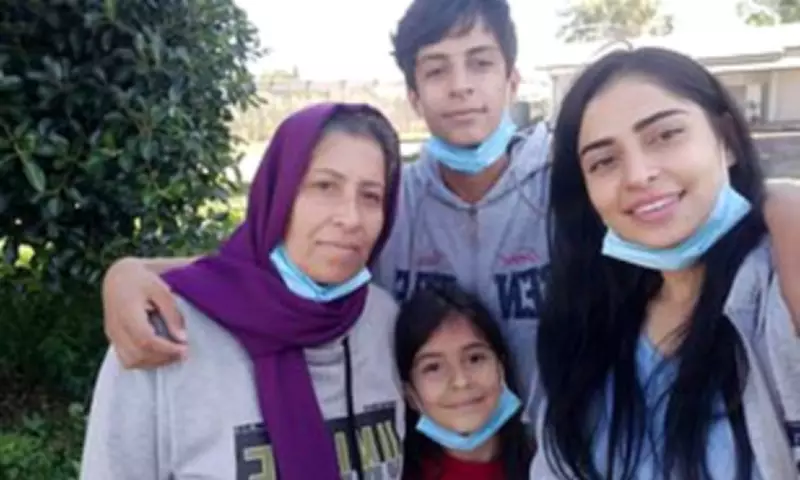
Inquiry chairman Sir Ross Cranston described the November 2021 incident, the worst Channel disaster in three decades, as an 'immeasurable human tragedy'. Among the 27 men, women, and children who perished were four members of an Iraqi family: seven-year-old Hasti Hussein, her 16-year-old brother Mubin, 22-year-old sister Hadiya, and their 46-year-old mother Kazhal. Four individuals remain missing to this day.
Inherent Dangers of the Crossing
Sir Ross emphasised the extreme peril of the journey, stating: 'The practice of small boat crossings must end. Apart from other reasons, it is imperative to prevent further loss of life.' He detailed how migrants, having paid people smugglers thousands of pounds for a promised safe passage, were instead dispatched in an unseaworthy and dangerously overcrowded vessel into one of the world's busiest shipping lanes. Of those on board, only two survived.

Catalogue of Rescue Failures
The inquiry corroborated earlier findings, revealing a series of critical blunders in the search and rescue response that directly contributed to the death toll.
Systemic Breakdowns
The report identified multiple institutional failures:
- The French naval vessel Flamant, which was closest to the capsized 25ft dinghy (codenamed 'Charlie'), failed to respond to a Mayday relay issued by HM Coastguard regarding the boat's distress.
- A UK Border Force vessel, Valiant, mistakenly identified another migrant boat as the one in distress, leading to the premature calling off of further searches.
- Migrants from the capsized vessel were left in the icy water for hours, with bodies only discovered the following day by a passing merchant ship.
Cultural and Operational Deficits
The inquiry found a deeply problematic culture within HM Coastguard at the time, noting a 'widely held belief that callers from small boats regularly exaggerated their level of distress'. This assumption negatively impacted the response to 'Charlie'. When calls from the vessel ceased and initial searches found nothing, coordinators fatally failed to consider that people had entered the water, halting the search.
Furthermore, the report states HM Coastguard was in 'an intolerable position', with chronic staff shortages and limited operational capacity that directly contributed to the failure to rescue people in the water.
Recommendations for Change
The stark conclusion of the report asserts that 'if a search for survivors had been undertaken adequately during November 24 2021, including during daylight hours, more lives would have been saved.' In response to the systemic failures uncovered, the inquiry has put forward 18 detailed recommendations aimed at strengthening the UK's maritime search and rescue operations to prevent a repeat of such a disaster. The actions of the Flamant crew remain subject to an ongoing French criminal investigation.