January 6 Rioters Launch Class-Action Lawsuit Over Police Conduct
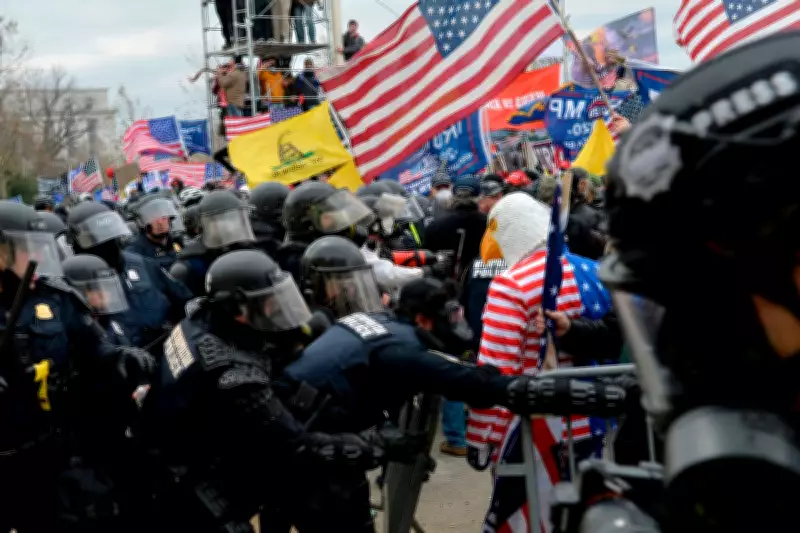
A significant class-action lawsuit has been initiated against the federal government by numerous individuals involved in the January 6 Capitol riot, including members of the Proud Boys and dozens convicted or accused in connection with the events. The legal action, representing at least 46 plaintiffs with potential expansion to thousands, alleges that law enforcement employed excessive force during the incident.
Allegations of Excessive Force and Peaceful Protest Claims
The lawsuit contends that police used aggressive tactics such as tear gas and Billy clubs against what the plaintiffs describe as an overwhelmingly peaceful crowd. This claim starkly contrasts with official accounts and video evidence showing violent clashes and property damage. Among the named plaintiffs are Dominic Pezzola and Christopher Worrell, both Proud Boys members who were convicted of assaulting officers during the riot.
Financial Damages and Legal Background
Plaintiffs are seeking a minimum of $18 million in damages for alleged injuries including:

- Bodily harm from police interactions
- Emotional distress and psychological trauma
- Other related harms stemming from the events
Notably, some plaintiffs have received clemency through mass pardons issued by former President Donald Trump, adding a political dimension to the case.
Broader Political Context and White House Involvement
The lawsuit emerges amid a contentious political climate where Trump has pardoned several January 6 participants and his administration has targeted federal prosecutors handling related cases. A White House website has previously blamed law enforcement for escalating tensions during the riot, framing the event as a response to police actions rather than an insurrection.
This legal battle highlights ongoing divisions over the interpretation of January 6, with plaintiffs arguing their actions were justified while authorities maintain the response was necessary to quell a violent mob. The outcome could set precedents for police conduct in similar situations and influence public perception of the riot's legacy.