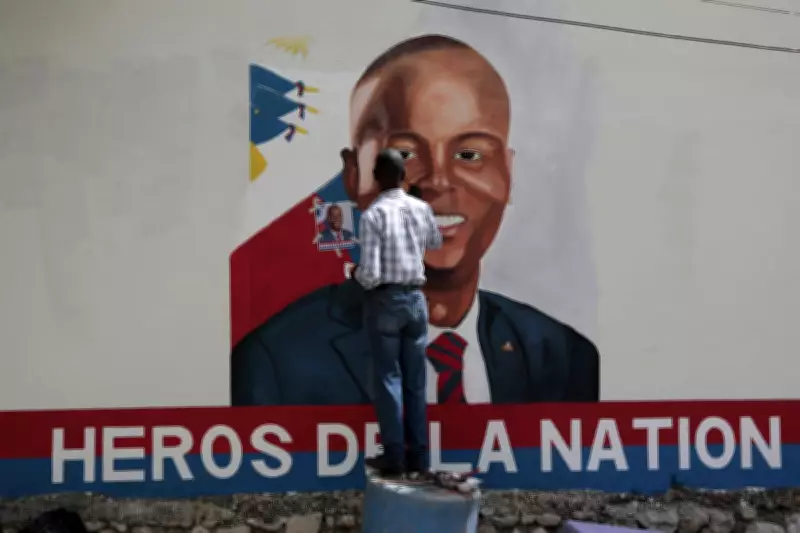
Jury Selection Commences in South Florida for Five Accused in Haitian President's Assassination
Jury selection is scheduled to begin on Monday in the U.S. federal trial of five men charged with conspiring in the 2021 assassination of Haitian President Jovenel Moïse. The proceedings will take place in South Florida, where the alleged plot was centered, marking a critical phase in a case that has drawn international attention.
Defendants and Charges in the High-Profile Case
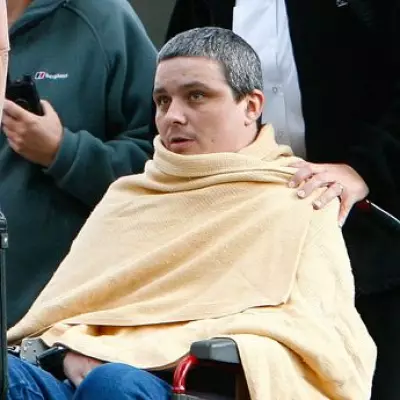
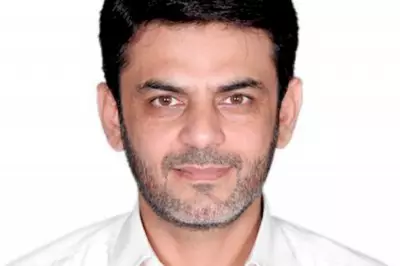
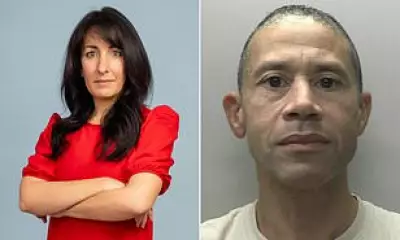
The defendants include Arcangel Pretel Ortiz, Antonio Intriago, Walter Veintemilla, Christian Sanon, and James Solages. They are charged with conspiring in South Florida to kidnap or kill Haiti's former leader, along with related offenses. All five have pleaded not guilty and face the possibility of life sentences if convicted.
The trial was originally set for last year but was delayed by U.S. District Judge Jacqueline Becerra in Miami due to discovery challenges and the extensive volume of evidence involved. This postponement underscores the complexity of the case, which involves multiple layers of planning and international connections.
Background of the Assassination and Previous Convictions
Moïse was killed on July 7, 2021, when approximately two dozen foreign mercenaries, predominantly from Colombia, stormed his residence near Port-au-Prince. His wife, Martine, sustained injuries during the attack and was urgently transported to the United States for medical treatment.
In related developments, five other individuals have already pleaded guilty to their roles in the conspiracy and are currently serving life sentences. Additionally, a sixth person, who authorities believe was unaware of the assassination plot, received a nine-year prison term after admitting to supplying body armor to the conspirators.
South Florida as the Hub of the Conspiracy
Court documents reveal that South Florida served as a pivotal location for orchestrating and financing the scheme to overthrow Moïse and install a replacement chosen by the conspirators. Ortiz and Intriago were principals of Counter Terrorist Unit Federal Academy and Counter Terrorist Unit Security, collectively known as CTU, while Veintemilla was a principal of Worldwide Capital Lending Group. Both entities were based in South Florida.
Sanon, a dual Haitian-American citizen, was initially favored by the conspirators to succeed Moïse. Solages acted as a CTU representative in Haiti, coordinating with Sanon and other participants, according to official statements.
Financial and Operational Details of the Plot
Investigators report that the conspirators convened in South Florida in April 2021 and agreed that, upon seizing power, Sanon would award contracts to CTU for infrastructure projects, security forces, and military equipment. Worldwide Capital agreed to assist in financing the coup, providing a $175,000 line of credit to CTU and transferring funds to co-conspirators in Haiti for ammunition purchases.
CTU initially recruited around 20 Colombian nationals with military training to provide security for Sanon. However, by June 2021, the conspirators recognized that Sanon lacked the constitutional qualifications and popular support necessary to assume the presidency. They subsequently shifted their support to Wendelle Coq Thélot, a former Haitian Superior Court judge, who died in January 2025 while still a fugitive.
Broader Legal and Investigative Challenges
Beyond the 11 individuals arrested and prosecuted in the United States, another 20, including 17 Colombian soldiers and three Haitian officials, face charges in Haiti. The ongoing investigation in Haiti has been impeded by gang violence, death threats, and a deteriorating judicial system, highlighting the broader instability in the region.
This trial represents a significant step in addressing the assassination that has exacerbated Haiti's political turmoil, with implications for international justice and regional security.