Government Considers Knife Sale Licences to Combat Online Youth Trading
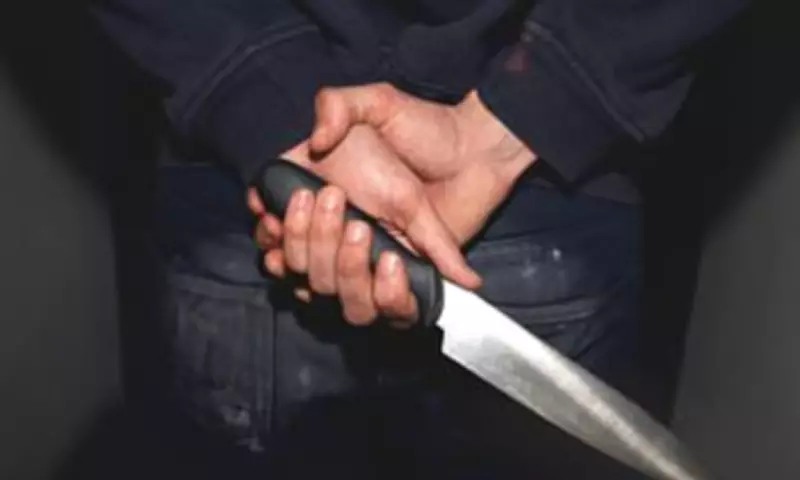
Ministers are actively considering the introduction of licensing regimes to prevent knives from being sold to children over the internet. Police authorities have expressed significant alarm at the growing trend of youngsters trading blades on what is being termed a 'grey market'. This illicit activity often involves children purchasing hundreds of knives at a time from retailers and then reselling them for profit through popular social media platforms, including Snapchat and Telegram.
Exploiting Business Opportunities for Criminal Gain
While it is already illegal to sell knives to children under the age of 18, some enterprising youngsters are even establishing small businesses to bulk-buy and sell weapons. These operations frequently turn a blind eye to the age of their customers or the intended use of the blades. Policing Minister Sarah Jones stated that the Government is open to the possibility of a new crackdown, which could involve introducing licences to regulate the sale of bladed weapons more stringently.
Speaking at the launch of the new National Knife Crime Centre in London today, an initiative established with the goal of halving knife crime within the next decade, Minister Jones emphasised the urgency of the situation. 'It is too easy to be able to buy and sell and receive knives in this country,' she declared. 'I think it's devastating how criminals keep finding new ways to exploit young people and make money from crime, and we have to be really vigilant to go after every new way they use.'

She elaborated on how criminal elements are co-opting legitimate entrepreneurial trends: 'If you look at the current landscape with young people encouraged to set up their own business, to buy and sell clothes online, make a profit within that landscape, and criminals have come into that and gone: "Okay, you can do this by buying and selling knives." So we have to be on top of that and come down on it very hard.'
Balancing Regulation with Legitimate Needs
Minister Jones acknowledged that certain individuals, such as those working in agriculture or practising martial arts, have legitimate purposes for buying or selling knives. She assured that any new regulatory measures would 'make sure we are not introducing something that is cumbersome to them'. The proposed solution under consideration is a licensing regime. 'There could be a licence regime which licenses who can sell knives and who can't, and what the purpose could be for,' she explained. 'How that would work, we are at the early stages.' A formal consultation process is currently underway to explore these options in detail.
Victims' Families Advocate for Stronger Accountability
The call for tighter regulations is strongly supported by victims' families. Pooja Kanda, whose 16-year-old son Ronan was murdered in a case of mistaken identity in 2022 by two teenage assailants, has urged the Government to continue pressing for more robust knife laws. Ms. Kanda successfully lobbied ministers earlier this year to introduce a ban on ninja-style knives, the very type used to fatally stab Ronan as he walked home in Wolverhampton after visiting a friend.
'We can't keep making laws for everything,' Ms. Kanda stated, 'but we need a licensing system to make sure a seller is accountable, so the bladed article is going into the right hands and not in the wrong hands.' Ronan's older sister, Nikita, added a poignant warning: 'We need to make sure we get this right because it is important that we don't leave loopholes, because unfortunately anybody can still sell a knife no matter what their background is.'
Law Enforcement Highlights Sentencing Disparities
Commander Stephen Clayman, who is leading the newly launched National Knife Crime Centre, pointed out a concerning disparity in sentencing. The maximum penalty for selling knives to children currently commands a jail term of up to six months, whereas possession of a knife can lead to a possible four-year prison sentence. 'There has to be a consequence for selling knives in that indiscriminate manner,' Commander Clayman argued, 'a bit like in drug supply - there has to be a consequence for that.'

Tragic Case Underscores Online Sale Vulnerabilities
The vulnerabilities of the current system were tragically highlighted two years ago in the Southport attack. The perpetrator, Axel Rudakubana, used other people's driving licences to purchase weapons online and build an arsenal in his bedroom. The teenager bought the 20cm kitchen knife he used to kill three children and injure ten others at a Taylor Swift-inspired dance class from Amazon. Despite being underage, he acquired the blade for only £1.70 without any age verification. The delivery driver recorded that the package was handed to someone who appeared to be over 25, though Rudakubana was just 17 at the time.
The Southport Inquiry is due to release its first report in two weeks, examining Rudakubana's history and any missed opportunities that could have prevented the horrific attack.
Prosecution Performance and the Path Forward
The launch of the National Knife Crime Centre coincides with a new report from the HM Crown Prosecution Service Inspectorate. The report found that the Crown Prosecution Service (CPS) is generally prosecuting knife crime to a 'good' standard, demonstrating a strong commitment to tackling the issue. Prosecutors typically make correct charging decisions, especially for simple possession offences. However, the report noted that in a small number of instances, lower-level charges were selected where a more serious offence should have been pursued, indicating room for improvement to enhance public protection further.
As the Government explores licensing options and consults on new measures, the combined efforts of law enforcement, policymakers, and advocates aim to close dangerous loopholes and create a more accountable system for the sale of bladed articles in the UK.