Massive Police Deployment Planned for London Amid Protest Tensions
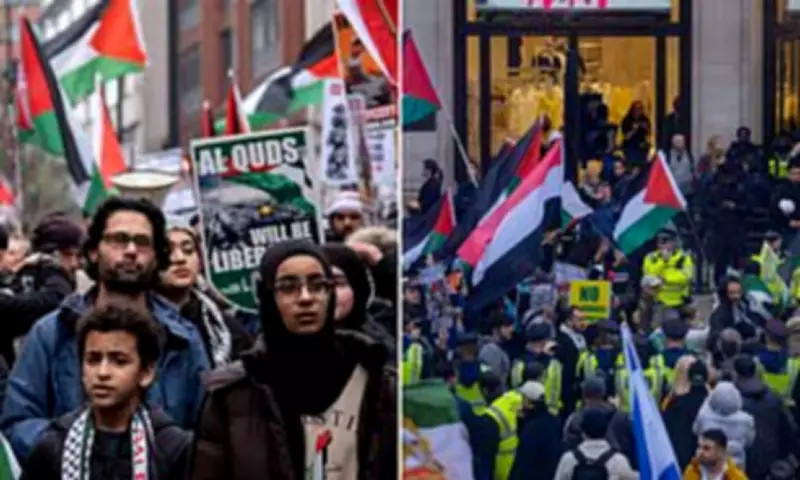
London is preparing for a significant security operation this Sunday, with authorities deploying more than 1,000 riot police officers alongside hundreds of uniformed personnel across the capital. The substantial police presence comes amid serious concerns about potential violent clashes between pro-Iran demonstrators and counter-protesters gathering at separate locations.
Protest Ban and Alternative Arrangements
The traditional Al-Quds Day march, which has been held in London for four decades, was formally banned last week by Home Secretary Shabana Mahmood. This decision followed considerable pressure from Metropolitan Police leadership and dozens of Members of Parliament who expressed security concerns. Instead of the usual procession, authorities have approved a static protest event scheduled to take place on the South Bank of the Thames for a limited two-hour duration.
Meanwhile, a substantial counter-demonstration is expected to gather simultaneously on the north side of the river in Westminster, creating a tense geographical divide with the Thames serving as a natural buffer between the opposing groups. Police intelligence suggests more than 12,000 pro-Iranian protesters may participate, with thousands expected among counter-protesters, significantly raising the likelihood of confrontations despite the physical separation.

Comprehensive Security Measures
Metropolitan Police have outlined a detailed security strategy for the day. Riot police units will be positioned at the primary protest center, while uniformed officers will provide protection for mosques and synagogues throughout the capital. Additional security will be maintained at both the Israeli and Iranian embassies, which have historically been focal points during similar demonstrations.
Police authorities have issued clear warnings that anyone chanting intifada slogans, displaying support for Palestine Action, or carrying placards that incite hatred will face immediate arrest. This strict enforcement approach reflects the heightened tensions surrounding the event and the determination to prevent escalation.
Historical Context and Recent Developments
The Al-Quds Day observance originated in Iran in 1979 following the Ayatollah's revolution and subsequently spread to the United Kingdom, where it has been organized by the Islamic Human Rights Commission (IHRC). Recent revelations show that despite being under Charity Commission investigation and described in a 2023 anti-terrorist Prevent report as an "Islamist group ideologically aligned with Iran," the IHRC has received £458,500 in taxpayer-funded donations since 2020 through Gift Aid recognition by HMRC.
This financial arrangement allowed the organization to claim an additional 25 pence for every pound received in donations. The IHRC has strongly condemned the banning of the march on its website, accusing police of abandoning their principle of policing without fear or favor and capitulating to pressure from what they term "the Zionist lobby."
Previous Incidents and Current Concerns
Previous Al-Quds Day rallies in London have been marred by multiple arrests and incidents including the burning of Israeli flags. Just last Saturday, a pro-Iranian protester was stabbed during a rally in West Finchley, North London, highlighting the volatile nature of such gatherings.
Metropolitan Police Commissioner Sir Mark Rowley has expressed grave concerns about the situation, warning of a "powder keg of mutual antagonism" that could erupt into violence. Assistant Commissioner Ade Adelekan emphasized that the decision to ban the traditional march was not taken lightly, stating: "This is a unique set of circumstances and it was our assessment that the risk of public disorder was so severe, we did not have any other choice."
The extensive security preparations represent one of London's largest recent police operations for a single demonstration event, reflecting the complex geopolitical tensions and domestic security challenges facing authorities as they attempt to balance protest rights with public safety concerns.