Shabana Mahmood Unveils Historic Police Overhaul: AI Revolution and British FBI
Home Secretary Shabana Mahmood has announced the most significant transformation of policing in England and Wales for two centuries, promising an artificial intelligence revolution alongside a dramatic restructuring of police forces.
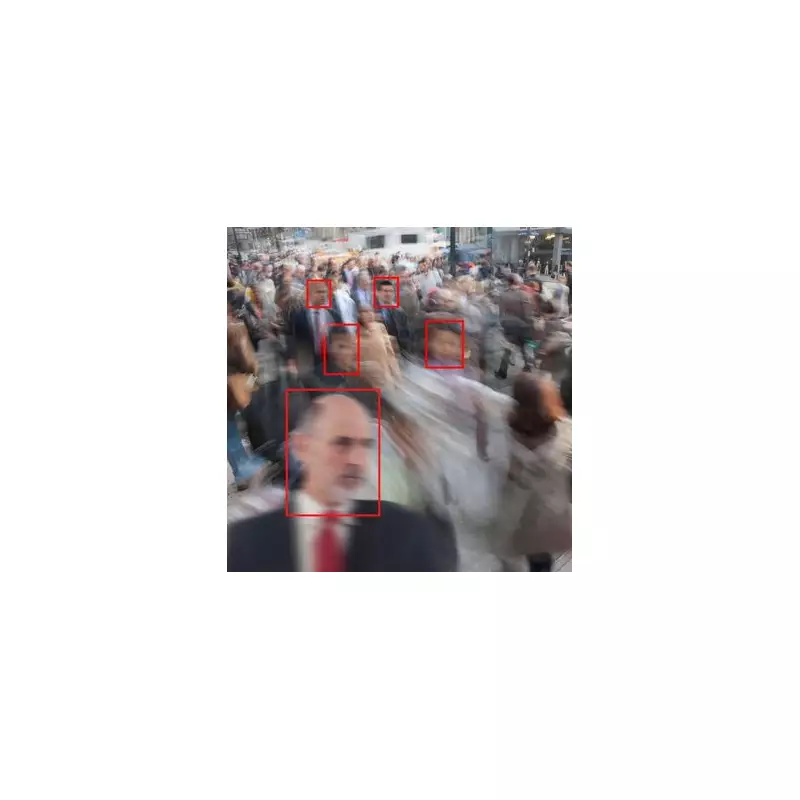
The sweeping reforms, detailed in a government white paper, will see facial recognition technology deployed extensively across the country, with a five-fold increase in mobile surveillance vans. Ms Mahmood declared the current policing structure "not fit for purpose" and insisted that long-overdue changes were essential for public safety.
Creating a British FBI and Slashing Forces
Central to the overhaul is the creation of a National Police Service, dubbed the "British FBI," which will focus exclusively on tackling Britain's most dangerous criminals and terrorist threats. This new national body will operate alongside a reduced number of local police forces, though the exact number to be merged or abolished remains unspecified.

Ms Mahmood told Parliament that the current system suffers from fundamental flaws, with local forces burdened by national responsibilities that distract them from community policing. She emphasised that her reforms would ensure "the right policing happening in the right place," allowing chief constables to concentrate on local crimes including shoplifting, drug dealing, and anti-social behaviour.
AI Technology and Facial Recognition Expansion
The Home Secretary confirmed a £140 million investment to roll out advanced artificial intelligence tools, with facial recognition technology forming a cornerstone of the new approach. A dedicated national centre for AI in policing will be established to coordinate implementation and development.
"When the future arrives, there are always doubters," Ms Mahmood stated, drawing historical parallels with the introduction of fingerprinting. "One hundred years ago, fingerprinting was decried as curtailing our civil liberties. But today we could not imagine policing without it. I have no doubt the same will prove true of facial recognition technology in the years to come."
The government claims AI tools will liberate officers from administrative burdens, enabling more frontline deployment. The technology will specifically target wanted murderers and rapists through enhanced identification capabilities.
Licensing, Regional Hubs, and Accountability Measures
Additional reforms include mandatory licensing for all police officers and the establishment of regional crime hubs designed to dismantle serious criminal networks involved in drug trafficking, firearms supply, and child sexual abuse.
Forces will face strict 999 response time targets, with the Home Office granted enhanced powers to dispatch specialist "crack squads" to address underperformance. Ms Mahmood described the combined measures as "major reforms" representing "a transformation in the structures of our forces, the standards within them and the means by which they are held to account by the public."
Industry and Regulatory Response
Gavin Stephens, chairman of the National Police Chiefs' Council, welcomed the proposals, noting that technological innovation has been hampered by excessive bureaucracy. "You've got rapidly changing new technologies which show huge promise, then you can't get them rolled out because there are too many decision makers in the system," he observed.
Sir Andy Cooke, HM Chief Inspector of Constabulary, praised the white paper as "the most significant changes to policing in decades," highlighting the need for stronger national coordination and consistent standards across forces.
However, Claire Waxman, Victims' Commissioner for England and Wales, urged caution, noting that victims currently face a "postcode lottery" in service quality. She called for a "more victim-centric approach" to ensure these ambitious reforms translate into tangible improvements for those affected by crime.
The comprehensive package represents the most radical reimagining of British policing since the establishment of modern police forces, balancing technological advancement with structural consolidation to address evolving criminal threats.