38 Years Lost: The Peter Sullivan Story
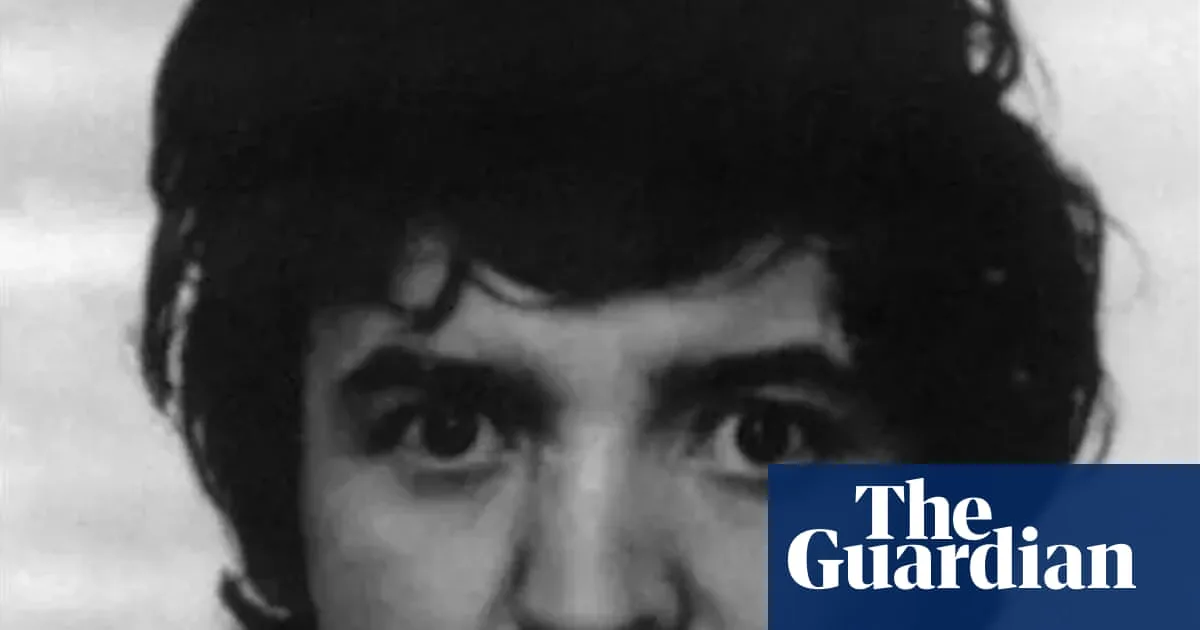
In one of Britain's most shocking miscarriages of justice, Peter Sullivan endured 38 years behind bars for a murder he did not commit. The 68-year-old man, once dubbed the 'Beast of Birkenhead', has finally had his conviction quashed after DNA evidence proved his innocence.
Mr Sullivan was originally convicted in 1987 for the brutal murder of 21-year-old florist Diane Sindall. Despite maintaining his innocence throughout his nearly four-decade imprisonment, he remained incarcerated in some of Britain's toughest category A prisons.
A World Transformed
Since his release in May, Mr Sullivan has been navigating a world that has changed dramatically from the one he left behind in the 1980s. Simple tasks like shopping have become unfamiliar experiences, with self-checkout machines presenting entirely new challenges.
"Everything's changed," Mr Sullivan revealed, describing his first encounters with modern technology. His introduction to smartphones came while observing fellow bus passengers glued to their screens, only realising they were phones when he saw people pressing them to their ears.
The technological revolution has forced rapid adaptation - he recently purchased his first smartphone primarily to book doctor's appointments through what he now understands is an 'app'.
The Psychological Scars of Institutionalisation
Having spent more of his life in prison than free, Mr Sullivan has opened up about the profound psychological impact of his wrongful imprisonment. He described sometimes walking back to his bedroom and sitting on his bed, subconsciously waiting for a prison officer to lock him in his cell.
"You've got to be at your door at a certain time, otherwise the officers will go off at you," he told the BBC, before catching himself and realising: "I was just sitting there thinking, 'What am I doing?'"
The personal losses have been devastating. Both of Mr Sullivan's parents died while he was imprisoned, and he expressed profound grief about not being there for them. He hasn't yet been able to bring himself to visit his mother's grave.
The Legal Battle and Compensation
Mr Sullivan's conviction was finally overturned earlier this year when three senior judges at the Court of Appeal quashed his murder conviction. The breakthrough came when DNA evidence from the original crime scene, re-examined using techniques only available since 2015, showed the killer was someone else.
Lord Justice Holroyde acknowledged that while circumstantial evidence seemed strong at the original trial, "it is now necessary to take into account the new scientific evidence pointing to someone else - the unknown man."
Mr Sullivan is now entitled to potentially £1.3 million in compensation after ministers increased the cap for people wrongly jailed for 10 years or more. However, the process is neither automatic nor quick, as demonstrated by Andrew Malkinson's case - wrongly jailed for 17 years for rape, he received no initial payout and described himself as 'broke' and 'living in a tent' months after his release.
Ironically, as an innocent man, Mr Sullivan isn't entitled to the help that guilty prisoners who admit their crimes receive upon release. Those released on parole typically receive accommodation and living expense support, benefits Mr Sullivan cannot access.
Seeking Answers and Accountability
Mr Sullivan has described brutal treatment during his initial police interviews, alleging he was beaten in his cell on two occasions. "They threw a blanket over the top of me and they were hitting me on top of the blanket with the truncheons to try and get me to co-operate with them," he recalled.
He attributes his false confession to this bullying, stating: "All I can say, it was the bullying that forced me to throw my hands in, because I couldn't take it anymore."
Despite his ordeal, Mr Sullivan has expressed sympathy for Diane Sindall's family, who now find themselves "back at square one" not knowing who killed their daughter. In a remarkable display of compassion, he has offered to support Ms Sindall's family in court if her killer is found.
Merseyside Police has expressed regret for the "grave miscarriage of justice" while maintaining its officers acted within the law at the time. Chief Constable Rob Carden stated: "I deeply regret the detrimental impact on Mr Sullivan's life."
The investigation into Diane Sindall's murder continues, supported by the National Crime Agency, with hundreds of men screened and eliminated in the past two years. Police have confirmed the DNA does not belong to any of Miss Sindall's family or her then-fiancé.
For Peter Sullivan, freedom brings both relief and the heavy burden of lost decades. "I can't forgive them for what they've done to me because it's going to be there with me for the rest of my life," he said, emphasising that what he wants most is an apology and answers about why this happened to him.