Residents and visitors in a significant part of inner Melbourne are now subject to unprecedented police search powers, a move that has sparked immediate controversy and debate over civil liberties.
What are the new police powers?
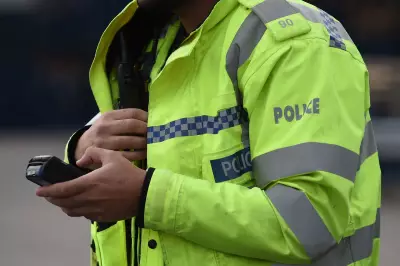
Victoria Police has taken the extraordinary step of declaring a 10 square kilometre area of inner Melbourne a 'designated area' for a period of six months. This declaration grants officers the authority to conduct pat-down searches and inspect vehicles for weapons without needing to obtain a warrant.
The new powers are not temporary. They are scheduled to be in effect from 30 November 2025 until 29 May 2026. This marks the first time the police chief commissioner has utilised these specific powers, a significant expansion of police authority in the city.
How did this happen and what is the reaction?
The legal basis for this move has been explained by Guardian Australia's Victorian state correspondent, Benita Kolovos. While the specifics of the legislation are complex, the outcome is a substantial increase in police stop-and-search capabilities within the defined zone.
The decision has not been met without criticism. Opponents have labelled the move a 'vast overreach' of police power, raising serious concerns about the impact on the everyday lives of innocent people who live, work, or travel through the area. The core of the criticism centres on the removal of the traditional safeguard of a warrant, which requires police to demonstrate probable cause to a judicial officer before conducting a search.
What does this mean for you?
For the duration of the six-month period, any individual within the designated 10 sq km zone can be subjected to a pat-down search by police. Similarly, any vehicle can be stopped and searched. The stated focus is on the discovery of weapons, but the broad application of the power means it can be used on anyone, regardless of whether they are suspected of involvement in criminal activity.
This development places a spotlight on the balance between public safety and individual rights. While the police aim to curb weapon-related crime, the method has ignited a crucial conversation about the limits of state power and the protection of civil liberties in urban Australia.