Metropolitan Police Face Serious Allegations Over Hotel Death Investigation
The Metropolitan Police Service stands accused of making homophobic assumptions and committing a series of critical failures during their investigation into the tragic death of a teenager at a London hotel four years ago. The family of Edward Cornes has launched scathing criticism against the force, alleging that officers focused inappropriately on his sexuality while losing crucial evidence and failing to interview key witnesses.
A Promising Life Cut Short in Mysterious Circumstances
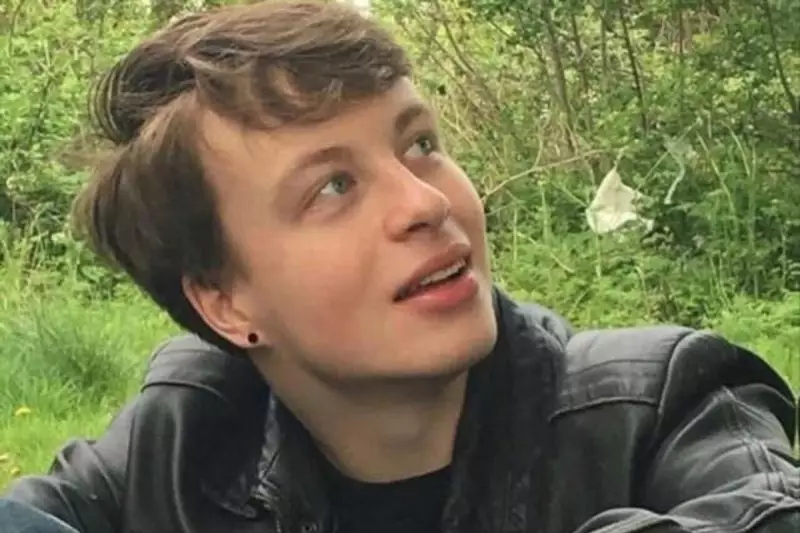
Edward Cornes, described by loved ones as popular, bright, and widely-liked, had recently secured a place to study history at the prestigious University College London in the summer of 2021. His parents, Miriam Blythe and Robert Cornes, dropped their 19-year-old son at his university halls on 11 October, with everything appearing normal in the life of the aspiring barrister.
Tragically, just forty-eight hours later, Edward would be discovered deceased in the basement room of the Goodwood Hotel in King's Cross. A post-mortem examination revealed the presence of substantial quantities of alcohol, GHB (commonly referred to as the "date-rape" drug), and crystal meth in his system. Two older men in their fifties were initially arrested on suspicion of murder, but the case against them was subsequently dropped.

Family Alleges Systematic Investigation Failures
The circumstances surrounding Edward's death remain shrouded in mystery, with his parents vehemently accusing the Metropolitan Police of conducting a botched investigation. They claim the force lost vital forensic evidence just six days after his death on 19 October, with remaining crucial evidence—including CCTV footage, bed sheets, and blood samples—disappearing in January of the following year.
According to the family, police adopted a homophobic approach to the case, allegedly telling Edward's parents that "with man on man sex anything can happen" and repeatedly questioning his drug use. The parents were further appalled when a senior police officer told the inquest in October 2025, without prior warning and with what they described as questionable evidence, that Edward was a drug dealer who regularly met with older men.
The evidence presented consisted of two text messages sent years previously, in which Edward stated he did not like 'chemsex drugs' and had briefly dealt drugs at parties when aged seventeen before giving it up because "I felt so bad." While the coroner ruled this evidence inadmissible due to lack of prior disclosure to the family, the inquest ultimately concluded that Edward's death was alcohol and drug related rather than an unlawful killing.
Disturbing Timeline of Events and Police Response
For Miriam Blythe, the first indication that something was wrong emerged on the morning of 13 October, when Edward's grandmother reported receiving a pocket-dial from him at 3:30am in which he sounded "very drunk." After failing to reach Edward, who typically always answered his phone, she contacted university halls to request a welfare check.
Merely an hour later, junior officers knocked on the family's door to inform them Edward had been found dead in a hotel. At 11pm that same day, detectives called to reveal that two men had been arrested on suspicion of murder. It later emerged that while paramedics had been called shortly before 11am, rigor mortis had already set in, suggesting Edward died several hours earlier. Both arrested men provided conflicting accounts of what transpired.
Witness evidence and CCTV footage, which police subsequently lost, indicated Edward had been "staggeringly drunk" when he met the two men. Ms Blythe began suspecting the police weren't taking the investigation seriously after informing them about the voicemail her mother received during the early hours before Edward's death. She claims that when suggesting they retrieve the recording, two homicide detectives responded: "We haven't got the resources to send a car to Bedfordshire."

Allegations of Inappropriate Questioning and Institutional Issues
Throughout the investigation, Edward's parents claim they were asked if they knew their son was gay, whether he consumed drugs, questioned about "why did you send him to King's Cross," and interrogated about why he had money in his bank account—funds that formed part of an inheritance from a recently deceased uncle.
After the murder investigation was dropped, the family alleges two CID officers told them that "gays always take trays of drugs" and "smuggle boys through fire escapes." When they complained to the Metropolitan Police, the Professional Standards Unit determined the language used "was not of a homophobic nature but of agreed wording which features within the chemsex training" and found no case to answer.
This case emerges against a troubling backdrop for the Metropolitan Police. Baroness Casey's landmark 2023 report found the force to be institutionally homophobic, while an inquest into the four men murdered by serial killer Stephen Port concluded that police failings had contributed to their deaths.
Profound Personal Impact and Official Response
A serious case review undertaken in 2023 following complaints by the family identified twenty-seven failings, though Edward's parents know little of its contents as the force has refused to release the review in full. The emotional toll on the family has been devastating.
"The first two years I barely left the house, I had panic attacks and couldn't face speaking to people," Ms Blythe revealed. "I couldn't cope with the sympathy. My husband ran a rental business and was basically having a breakdown so we lost the business. I was a university lecturer and no way could I teach people of a similar age to my son."
She added: "In the first two years, I thought I was having a heart attack and got rushed to hospital—it had a huge emotional toll. I was aware of things but I was staggering around in a state of disbelief."
Commander Stephen Clayman responded: "It's difficult to hear how the handling of our investigation into Edward's death has added to the family's pain. The extensive investigation, which was subsequently reviewed, ruled out third-party involvement in Edward's death and this conclusion was later reinforced at the inquest. But we accept that aspects of the way in which the case was handled did not meet the high standards we expect. While this did not affect the outcome of the investigation, we apologise to Edward's family and friends for any further distress this caused."