Met Police Resume Arrests for Palestine Action Support Despite Court Ruling
Met Police Resume Arrests for Palestine Action Support

The Metropolitan Police has announced it will recommence arresting individuals for displaying signs or expressing support for Palestine Action, marking a significant reversal of a temporary pause that began in February. This decision comes despite a recent High Court ruling that declared the government's ban on the group unlawful, creating a complex legal landscape for protesters and law enforcement alike.

Legal Background and Court Ruling

In February, the High Court delivered a judgment that ruled the government's proscription of Palestine Action as unlawful, leading to an immediate pause in arrests by the Metropolitan Police. However, this ruling will not take effect until the government's appeal against the decision is heard, a process expected to span several months. During this interim period, the ban remains legally enforceable, allowing police to resume enforcement actions.

Official Statement from Police Leadership

Deputy Assistant Commissioner James Harman confirmed the resumption of arrests, stating that supporting Palestine Action continues to be a criminal offence under the Terrorism Act while the proscription is still in place. He emphasized that the police are obligated to uphold the law as it stands, regardless of the pending appeal, to maintain public order and national security.

Wide Pickt banner — collaborative shopping lists app for Telegram, phone mockup with grocery list

Impact on Arrests and Legal Proceedings

Since Palestine Action was banned last year, over 2,700 people have been arrested for allegedly supporting the group. Many of these cases involve individuals facing charges related to public demonstrations, signage, or online advocacy. With the resumption of arrests, these numbers are likely to increase, adding pressure to an already backlogged judicial system.

Numerous trials connected to these arrests are currently on hold, awaiting the outcome of the government's appeal in the High Court. This legal limbo has left defendants in a state of uncertainty, with their futures hinging on the appellate court's decision. Legal experts warn that this situation could lead to prolonged delays and potential miscarriages of justice if not resolved promptly.

Public Reaction and Protests

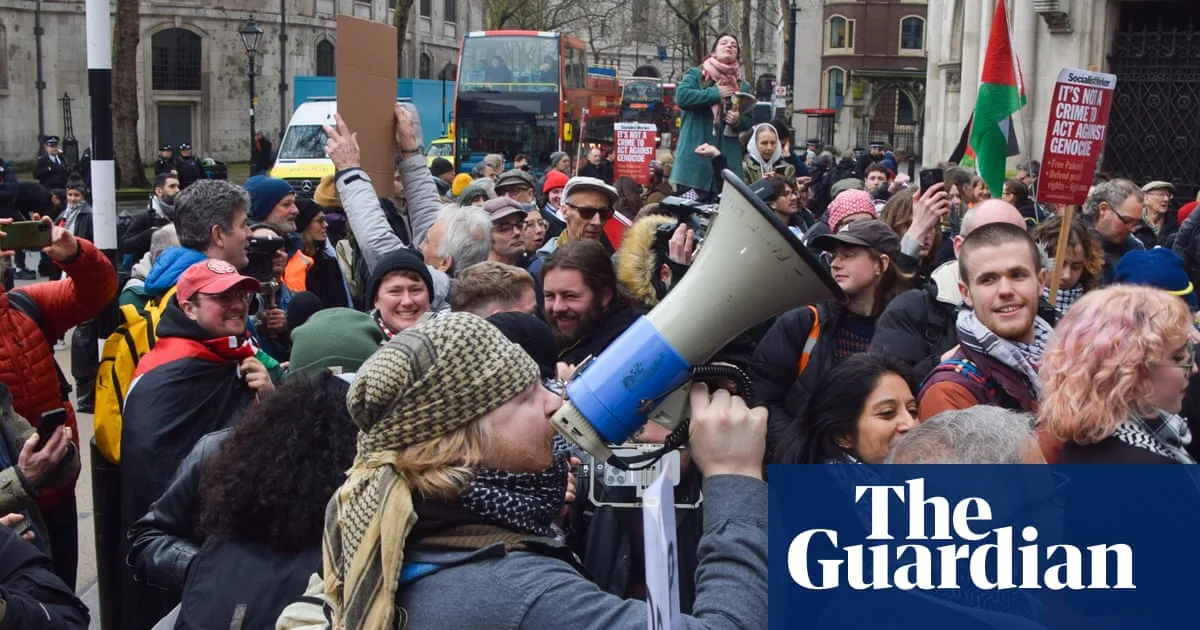
The announcement has sparked mixed reactions, with cheers reported outside the High Court when the initial ruling was made, contrasting with concerns from civil liberties groups over the resumption of arrests. Protesters and activists have vowed to continue their demonstrations, arguing that the police's actions infringe on freedom of expression and assembly.

What Happens Next?

The next steps hinge on the government's appeal, which will determine the long-term legality of the ban on Palestine Action. If the appeal upholds the High Court's ruling, the ban could be permanently overturned, leading to a cessation of arrests and potential pardons for those convicted. Conversely, if the appeal succeeds, the ban will remain in force, solidifying the legal basis for continued police action.

In the meantime, the Metropolitan Police will proceed with arrests under the current legal framework, balancing enforcement with the need to monitor the evolving judicial landscape. This period of uncertainty underscores the tension between national security measures and civil liberties in contemporary British society.

Pickt after-article banner — collaborative shopping lists app with family illustration