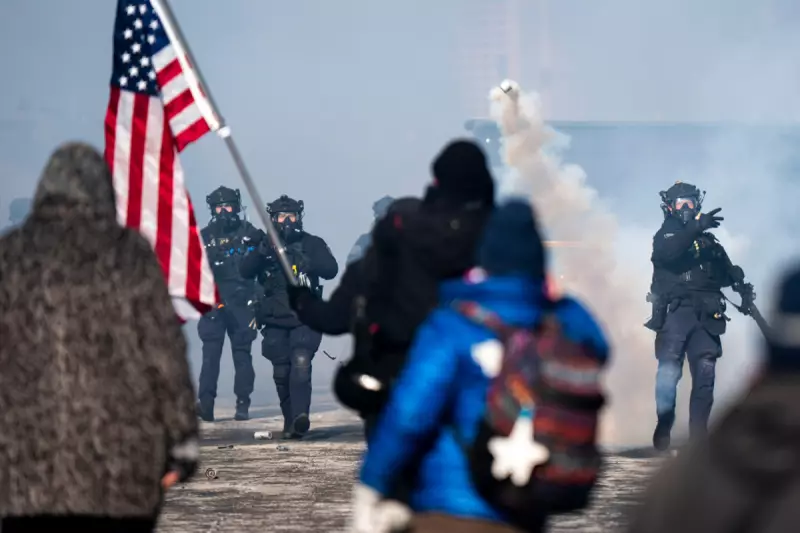
Violent confrontations have erupted in Minneapolis following a series of federal immigration enforcement operations, with the Department of Homeland Security claiming a protester bit off a federal agent's finger on Saturday. This incident occurred on the same day that a Border Patrol officer fatally shot ICU nurse Alex Pretti during an anti-ICE demonstration, marking the second U.S. citizen killed by federal agents in the city in less than three weeks.
Graphic Evidence Shared by DHS Official
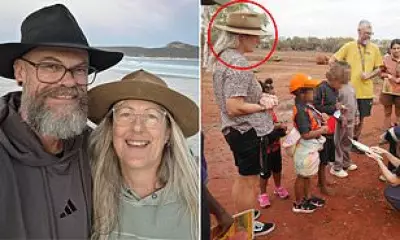
DHS Assistant Secretary Tricia McLaughlin posted graphic photographs on social media platform X showing an officer's bleeding finger alongside what appeared to be the severed portion preserved in a medical container. "In Minneapolis, these rioters attacked our law enforcement officer and one of them bit off our HSI officer's finger," McLaughlin wrote. "He will lose his finger." The assistant secretary also published images of two individuals allegedly involved in the attack, though their specific roles and identities remain unconfirmed by independent sources.
Presidential Attention Without Direct Commentary
Former President Donald Trump reshared McLaughlin's social media posts on his Truth Social platform but refrained from offering direct commentary about the incident at the time of publication. This development adds a political dimension to the unfolding crisis in Minneapolis, where tensions between federal authorities and local communities appear to be reaching breaking point.

Second Fatal Shooting by Federal Agents
The finger-biting allegation emerged alongside the tragic death of Alex Pretti, a 37-year-old nurse at the Minneapolis VA Health Care System who was shot and killed by federal agents during an immigration operation on Saturday morning. Pretti, described as a U.S. citizen with no criminal record beyond minor traffic offences, had been participating in protests against the federal crackdown when he became involved in a confrontation with multiple officers.
Conflicting Accounts of the Lethal Encounter
Federal authorities, including the Department of Homeland Security, claimed that Pretti approached Border Patrol agents armed with a 9mm semi-automatic handgun and two magazines, allegedly "violently resisting" attempts to disarm him. Officials described the officer's decision to fire as defensive action, with Border Patrol leadership characterising the encounter as one where the individual appeared intent on causing maximum harm.
However, Minneapolis Police Chief Brian O'Hara confirmed Pretti's identity and noted he was a lawful gun owner with a valid carry permit. Local officials and bystander video present a more nuanced picture, showing Pretti being wrestled to the ground and struggling with multiple agents before he was shot. Significant questions remain about the precise circumstances of the shooting, including the presence and use of his firearm at the critical moment.
Pattern of Violence in Immigration Operations
Pretti's death represents the second fatal shooting by federal immigration agents in Minneapolis within a remarkably short timeframe. This incident follows the killing of 37-year-old Renee Nicole Good during a separate operation less than three weeks earlier, with another man being shot in the leg while fleeing immigration officials just days later. These consecutive violent encounters have created a climate of escalating tension and mistrust between federal authorities and Minneapolis communities.
Broader Context of Federal-Local Tensions
The Minnesota Bureau of Criminal Apprehension reported being blocked from the Border Patrol shooting scene, highlighting the jurisdictional complexities and potential conflicts between state and federal authorities during these operations. This obstruction of local investigative agencies adds another layer of controversy to an already volatile situation, raising questions about transparency and accountability in federal law enforcement actions.

As Minneapolis grapples with these consecutive violent incidents, community leaders and civil rights advocates are calling for independent investigations into both the fatal shooting and the alleged finger-biting attack. The convergence of immigration enforcement, protest movements, and lethal force has created a perfect storm of controversy that shows no immediate signs of resolution, with federal authorities maintaining their operational posture while local communities demand answers and accountability.