New Zealand's Muted Court Hearing for Mosque Gunman Aims to Curb Online Fame
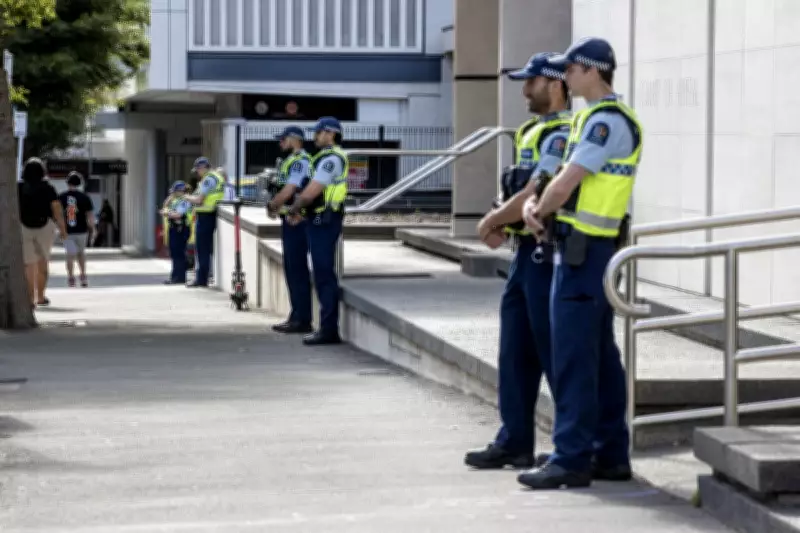
In a near-empty courthouse in Wellington, the Court of Appeal concluded a tightly controlled hearing for the appeal of Brenton Tarrant, the gunman responsible for New Zealand's deadliest mass shooting. The proceedings were marked by a deliberate absence of public exposure, reflecting the nation's ongoing efforts to smother the racist motivations behind the 2019 Christchurch mosque attacks that killed 51 Muslims.
Subdued Proceedings Defy Tension Over the Case
The appeal unfolded with minimal mention of the horrific details of the shootings, as lawyers on both sides avoided referencing Tarrant's white supremacist views. Only nine reporters, nine lawyers, and a few court staff were present, with the public gallery left empty. Tarrant watched via video conference from Auckland Prison, but his image was hidden except when he gave evidence, underscoring New Zealand's strategy to limit his visibility.
Gunman's Bid to Recant Guilty Pleas Faces Strong Opposition
Tarrant, a 35-year-old Australian, argued that he entered guilty pleas in 2020 to charges of terrorism, murder, and attempted murder during a "nervous breakdown" induced by solitary confinement. However, Crown lawyers, including Barnaby Hawes, countered that there was no evidence of serious mental illness, noting that experts had deemed him fit to plead. They emphasized that the overwhelming evidence, including his own livestream of the massacre, made a guilty verdict certain, rendering his admissions rational.

New Zealand's Approach Contrasts with Global Precedents
This muted hearing stands in stark contrast to high-profile trials for other racist mass killers, such as Norway's Anders Breivik, whom Tarrant cited as an inspiration. New Zealand has enacted measures to curb the spread of Tarrant's views, including legal bans on his manifesto and livestream video. Even news outlets are encouraged to minimize mentions of his name, aiming to prevent further trauma for victims and survivors.
Victims' Distress and Future Legal Steps
Crown lawyer Madeleine Laracy highlighted that prolonging the case causes "immense distress" to victims, hindering their healing process. The judges' decision is expected within three months, as per court statistics. If Tarrant's appeal fails, his case will return for a later hearing to review his life sentence without parole, continuing New Zealand's careful balance of justice and public protection.