Dozens of armed officers responsible for guarding Britain's most sensitive nuclear sites have been disciplined for serious misconduct, with seven thrown off the force entirely, an investigation reveals.
Spike in Dismissals Raises Alarm
A total of 57 officers from the Civil Nuclear Constabulary (CNC) have faced disciplinary action over the past five years. The number of dismissals has reached a ten-year peak, with three officers removed between April and November last year alone. In the last decade, 13 officers have been dismissed from the specialist force.
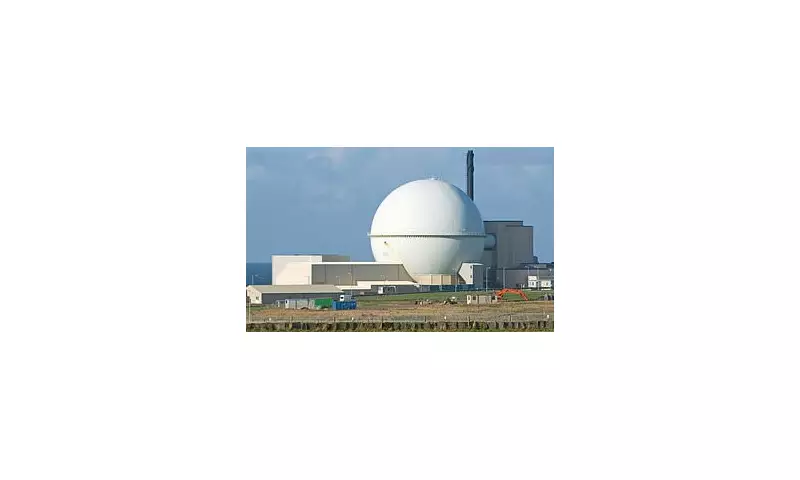
The CNC is a dedicated armed police service with around 1,150 officers. Its critical duty is to protect 15 locations across the United Kingdom. These include nuclear power stations like Torness in East Lothian, the decommissioning Dounreay complex in Caithness, and key gas infrastructure at Garlogie and St Fergus in Aberdeenshire. The force also secures radioactive materials during transport across the nation.

Patterns of 'Discreditable Conduct'
The majority of the disciplinary cases involved officers found guilty of 'discreditable conduct'. Other breaches included failures in 'honesty and integrity', 'equality and diversity', and 'authority, respect and courtesy'. Officers also neglected their duties, responsibilities, and specific orders and instructions.
This armed service, which employs 1,600 officers and support staff, authorises most of its personnel to carry firearms. The conduct of CNC officers came under intense scrutiny following the horrific crimes of former officer Wayne Couzens.
Legacy of the Wayne Couzens Case
Couzens, who abducted, raped, and murdered Sarah Everard in 2021, was a member of the CNC from 2011 to 2018 before transferring to the Metropolitan Police. A damning inquiry by Lady Elish Angiolini KC found critical flaws in his vetting process.
The inquiry revealed that when Couzens applied to join the CNC, his precarious financial situation—burdened by payday loans and maxed-out credit cards—was not properly assessed. This made him vulnerable to corruption. Thames Valley Police, which vetted him, recommended he should fail, but the CNC ignored this advice and accepted him.
A CNC spokesman stated the force is committed to the highest professional standards, which are "vital" to maintain partner confidence in protecting critical national infrastructure. "We are determined that if someone has failed to uphold standards of behaviour and the ethical policing principles, they will have no place in policing," the spokesman said.
The force highlighted enhanced measures, including a larger vetting team, proactive counter-corruption units, and a partnership with Crimestoppers to run a Police Integrity Line for reporting concerns.