Christchurch Mosque Shooter Attempts to Recant Guilty Pleas in Landmark Appeal
The white supremacist responsible for New Zealand's deadliest mass shooting has revealed in court that he specifically wanted to be described as a terrorist during his prosecution. Brenton Tarrant, 35, murdered 51 Muslim worshippers during Friday prayers at two Christchurch mosques in March 2019, an attack he livestreamed on Facebook alongside posting a racist manifesto online.
Appeal Hearing Examines Prison Conditions and Mental State
New Zealand's Court of Appeal in Wellington is currently conducting a five-day hearing to consider Tarrant's bid to recant the admissions he made in 2020. The Australian national, who was sentenced to life imprisonment without parole after pleading guilty to terrorism, murder and attempted murder charges, now claims that solitary confinement and harsh prison conditions rendered him irrational and mentally unwell when he entered his guilty pleas.
Tarrant told the appeals court on Monday that he felt forced into his admissions due to "nervous exhaustion" caused by constant solitary confinement, surveillance by prison staff, limited access to reading materials, and almost no contact with the outside world. He further stated that he had masked symptoms of serious mental illness to avoid appearing weak or reflecting poorly on others who shared his racist views.

Legal Team Presents Conflicting Accounts
Lawyers who represented Tarrant during different phases of his case presented varying perspectives to the court. They confirmed that they had filed complaints about his prison conditions early in his confinement, with prison officials reportedly dismissive of these grievances. However, the attorneys noted that restrictions on Tarrant eased over time and they did not believe his environment had compromised his decision-making capacity.
Shane Tait, one of Tarrant's former lawyers, revealed that his client had initially wanted to argue during trial that he was defending New Zealand from immigrants - a defense Tait explained was unavailable under New Zealand law. Both Tait and Tarrant's other former lawyer, Jonathan Hudson, emphasized that their client was particularly insistent on being convicted of terrorism charges, refusing to allow negotiations to drop this charge in exchange for guilty pleas to murder and attempted murder.
"He wanted to be described as a terrorist," Hudson told the court, highlighting Tarrant's apparent desire for the specific designation.
Victims Express Anger and Frustration
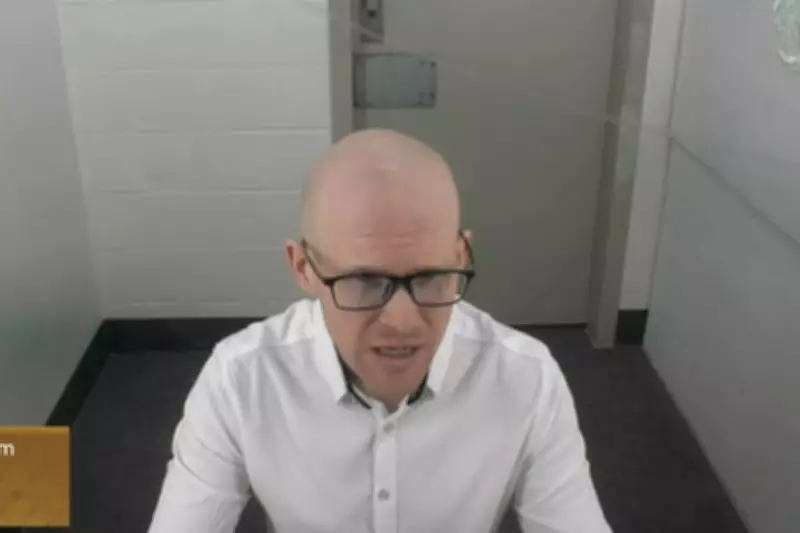
The appeal hearing marks the first time Tarrant has been seen or heard in court for years, appearing via video conference from prison looking pale and thin with a shaved head and black-framed glasses. Some of those bereaved or injured by his violence watched proceedings from a courtroom in Christchurch, expressing exasperation that he continues to revisit his case.
"There's definitely no remorse at all," said Rashid Omar, whose son Tariq was murdered in the attack. "We are very, very strong. We're not going to be bullied by him."
Potential Outcomes and Next Steps
The three-judge panel must determine whether Tarrant's prison conditions and mental state were sufficiently compromised to invalidate his guilty pleas. If they accept his arguments and discard the pleas, the case would return to court for trial. If they reject his bid, a subsequent hearing will focus on his attempt to appeal his sentence.
Crown lawyers pointed out that Tarrant had multiple opportunities to raise concerns about his mental health or request trial postponements, and no witness has thus far supported his claim that his conditions rendered him unfit to plead guilty. The judges are expected to release their decision at a later date, with the appeal outcome potentially setting significant precedents for how prison conditions affect legal proceedings in New Zealand.