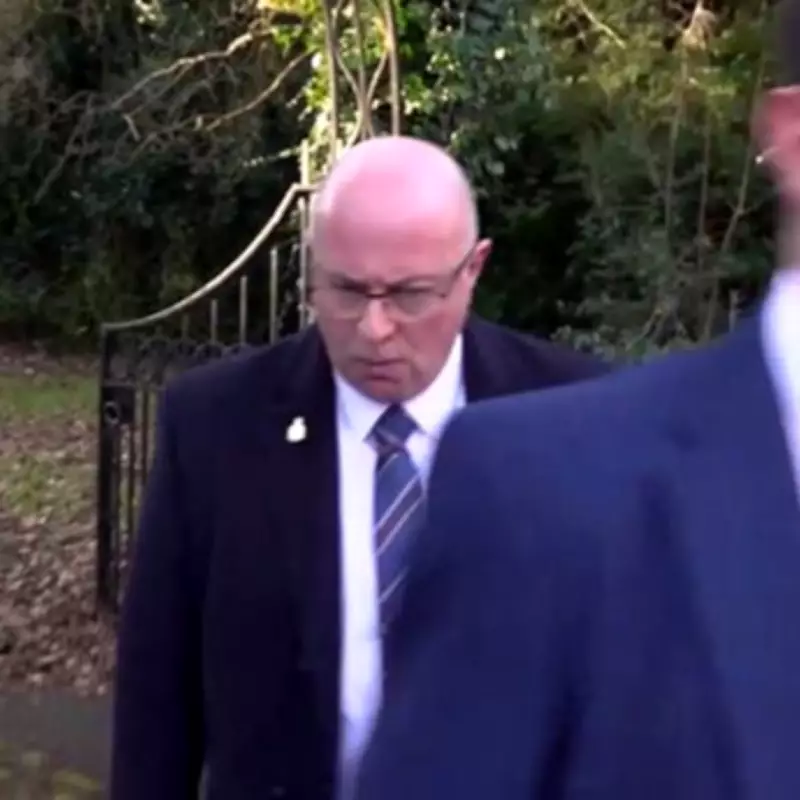
Police Officer Found Guilty of Fatal Crash During Emergency Response
A serving police officer has been convicted of causing death by dangerous driving after a tragic collision that occurred while he was responding to a 999 emergency call. The incident has raised serious questions about police driving standards during high-pressure emergency responses.
The Fatal Collision Near Gateshead
Pc Mark Roberts, a 57-year-old officer from Darlington, was speeding in his marked Northumbria Police Peugeot 308 when he went through a red light that had been on "stop" for six seconds. The collision occurred on a 30mph stretch of road near the MetroCentre in Gateshead in July 2022, resulting in catastrophic consequences for the victims.
The officer collided with a motorbike carrying Ronald and Muriel Pinkney. Mrs Pinkney, aged 74, sustained fatal head and neck injuries in the impact. Her husband, Ronald, now 81, suffered a serious bleed on the brain and multiple fractures, requiring extensive medical treatment and recovery.

Court Proceedings and Conviction
At Teesside Crown Court, Roberts had initially admitted causing death by careless driving but denied the more serious offence of causing death by dangerous driving. However, the jury took just 56 minutes to find him guilty of both causing death by dangerous driving and causing serious injury by dangerous driving to Mr Pinkney.
Judge Francis Laird KC granted Roberts bail ahead of sentencing scheduled for April 7, noting the significance of the convictions given the defendant's background as a serving police officer. The judge emphasized he would benefit from a pre-sentence report before determining appropriate punishment for the two serious offences.
The Officer's Account and Visibility Claims
In a prepared statement read to the court, Roberts described responding to an emergency call from the ambulance service about a choking five-week-old baby. He stated that paramedics had indicated they didn't believe they could reach the patient before police assistance.
The officer activated his blue lights and sirens, changing the tone of alerts as he navigated through traffic and red lights. Moments before the collision, Roberts claimed he saw a white van make an emergency stop.
"I couldn't see anything else before travelling towards the junction," the officer stated in his account. "The next thing I recall is there was a bang and both airbags deployed and I hit the windscreen, which knocked me out for a few seconds."
Upon regaining consciousness, Roberts saw two people on the ground wearing crash helmets before blacking out again. He was treated in an ambulance and subsequently taken to hospital for medical attention.
Prosecution Arguments and Police Guidance
The prosecution argued that Roberts should have approached the junction more cautiously, despite the emergency nature of his response. They presented evidence that the police's own roadcraft guidance explicitly states that risk taking, even in what might be considered a "noble cause," is not justified.
Mr Pinkney provided testimony to police investigators, stating that while he could hear a police siren before the collision, it seemed to be coming from a considerable distance away. He confirmed he had not seen the police car driven by Pc Roberts before the impact occurred.
Police Response and Investigation
Following the conviction, Assistant Chief Constable Andy Hill of Northumbria Police expressed condolences to the Pinkney family and all those affected by the tragedy. He acknowledged that no words could ease their pain but emphasized that such incidents remain extremely rare despite daily emergency responses.
"Officers are highly-trained and supported to help ensure they keep both themselves and the public safe," Mr Hill stated. "Regrettably, on this occasion the standard of driving fell short of what is expected which has led to the most devastating of outcomes."
The case was referred to the Independent Office for Police Conduct, which conducted a thorough investigation before submitting a file to the Crown Prosecution Service. Roberts, who has been suspended from duty since the incident, will now face a misconduct hearing in addition to his criminal sentencing.

Broader Implications for Emergency Response Protocols
This tragic case highlights the complex balance police officers must maintain between responding urgently to genuine emergencies and ensuring public safety on the roads. While emergency responses are a critical function of policing, this conviction underscores that officers remain accountable for their driving standards even during high-pressure situations.
The judge acknowledged the difficult position of jurors, noting it would be understandable if they held sympathy for either the Pinkney family or the defendant, whom he described as "a serving police officer responding to an emergency and who, of course, never intended to cause anyone any harm."
As the police service reviews this case and its procedures, questions remain about how best to train and support officers making split-second decisions during emergency responses while maintaining the highest standards of road safety for all users.