Outdated Legal Framework Hinders Court Reporting in Digital Age
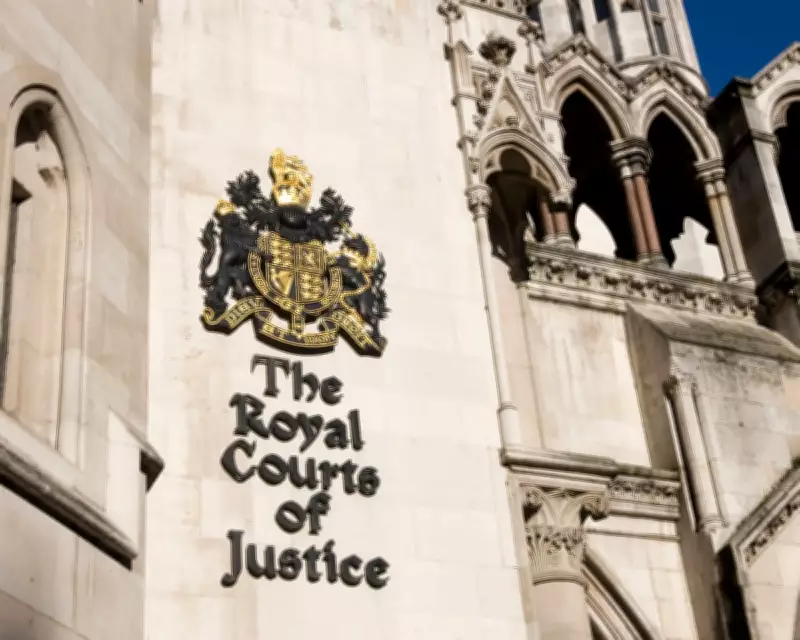
Journalists in England and Wales are increasingly constrained by an antiquated legal framework when covering high-profile trials, leading to significant information gaps that social media often fills with speculation and misinformation. This issue has been starkly highlighted in cases such as the Lucy Letby trial, where strict rules on contempt of court and victim anonymity have made reporting fraught with legal challenges.
The Contempt of Court Act and Its Limitations
Historically, contempt of court was a vague common-law principle aimed at preventing prejudice to pending trials. This changed in 1981 with the Contempt of Court Act, designed to balance free speech with the right to a fair trial. According to media lawyer David Banks, the law prohibits publishing material that creates a substantial risk of serious prejudice, such as speculating on motive or revealing previous convictions. However, journalists can still report on courtroom proceedings and provide background information.
In the United States, by contrast, previous convictions are often published freely, and juries are trusted to disregard external information, supported by rigorous jury-selection processes. This difference underscores how UK laws, drafted for a pre-digital era, struggle to adapt to today's media landscape.

Social Media Exacerbates Legal Gaps
The rise of social media has exposed the limitations of current laws, as millions of users post instantly, often from outside the UK, without the same legal constraints as traditional media. Examples like the Southport stabbings show how misinformation about suspects can spread rapidly online while journalists are still verifying what they can legally report. Banks notes that the law was never designed to handle such a decentralised and globalised information ecosystem, leading to a proliferation of rumours and conspiracy theories.
Privacy and Libel Laws Add Further Complications
Beyond contempt of court, privacy laws have reshaped reporting, with cases like Cliff Richard's lawsuit against the BBC chilling investigative journalism. Even arrests are no longer automatically reportable if they occur in private settings. Additionally, libel law remains a powerful constraint, with deep-pocketed individuals often using legal threats to silence reporting, though mechanisms like "no win, no fee" arrangements have broadened access to libel claims.
Evolving Legal Demands on Journalists
Journalists must navigate a dense and evolving legal framework that includes not only contempt and libel but also privacy, data protection, and specific statutes like the Education Act 2011, which restricts naming teachers accused of abuse. Banks points out that legal guides for journalists have grown from 200 to over 600 pages, reflecting the increasing complexity. This often leads to public perception of media timidity, when in reality, journalists are carefully adhering to legal boundaries that do not apply equally to social media users.
The collision between outdated legal rules and the digital age highlights an urgent need for reform to ensure accurate reporting and combat misinformation in high-profile cases.