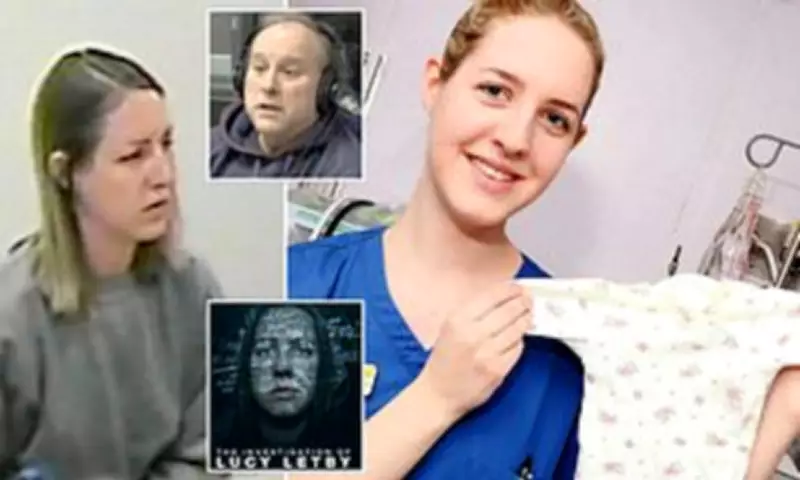
Podcast Hosts Examine New Evidence in Netflix's Lucy Letby Documentary
In an exclusive follow-up to the Daily Mail's award-winning The Trial of Lucy Letby podcast, hosts Liz Hull and Caroline Cheetham are joined by veteran court reporter Kim Pilling to scrutinise fresh information revealed in Netflix's recent documentary about the convicted neonatal nurse. The trio, who reported extensively on Letby's 2023 trial and 2024 retrial, bring their deep understanding of the case to analyse the documentary's content, which includes never-before-seen footage from Letby's final arrest and subsequent police interviews.
Background of the Letby Case
Lucy Letby, now 36 years old, was found guilty of murdering seven babies and attempting to murder seven others between June 2015 and June 2016 at the Countess of Chester Hospital. After a ten-month proceeding at Manchester Crown Court, attended daily by Pilling, Letby received 15 whole-life orders, with both trials producing the same outcome. The case has drawn significant media attention and public scrutiny, particularly as high-profile commentators and Letby's new defence team, led by barrister Mark McDonald, contest her convictions.
New Documentary and Its Revelations
Netflix's documentary, titled The Investigation of Lucy Letby, has sparked debate by featuring previously unseen material. One key scene shows police revealing that Letby had hoarded 250 shift handover sheets, some stored under her bed in chronological order in a box marked 'keep'. These sheets, which contain confidential patient information and are not permitted to be taken home by nurses, formed a significant part of the non-medical evidence used by the prosecution. According to the prosecution, Letby deliberately took the documents to hide anomalies in her care of vulnerable babies.

During the documentary, police highlight how Letby's evasive answers about the handover sheets raised immediate red flags. Pilling noted on the Trial Plus podcast, 'The handover sheets featured quite early on in the documentary. I think it was an area where police felt Letby's answers weren't stacking up.' She added that Letby claimed she didn't know how to dispose of them because she didn't own a shredder, but it was later discovered she did have one, making her explanation questionable.
Analysis by Podcast Hosts
Host Liz Hull pointed out that while some nurses admitted to occasionally taking handover sheets home, they would dispose of them properly. 'The documentary shows that Letby didn't just take the handover notes home. She put them in a box marked keep. The police say they were organised in chronological order. I don't think we ever heard that at trial,' Hull explained. This detail underscores the prosecution's argument that Letby's actions were deliberate and suspicious.
Pilling argued that the lack of media coverage on such non-medical evidence has allowed claims of Letby's innocence to flourish. 'I don't see much coverage of the handover sheets,' she said, noting that the defence team wisely avoided focusing on them during the trial because they appeared to be a weakness in their argument. The hosts emphasise that a deep understanding of the prosecution's case reveals a narrative contrary to the miscarriage of justice claims promoted by some commentators.
Impact and Ongoing Discussions
The release of the Netflix documentary has intensified public discourse around the Letby case, with supporters of her innocence using the film to bolster their arguments. However, Hull, Cheetham, and Pilling stress that the evidence, including the handover sheets, paints a compelling picture of guilt. They encourage listeners to subscribe to The Crime Desk for ad-free listening, early access to new shows, and bonus episodes, including their full breakdown of the documentary.
As the debate continues, the podcast hosts aim to provide clarity and context, drawing on their firsthand reporting to challenge misconceptions and highlight the strength of the prosecution's evidence in this high-profile criminal case.