Historic Police Reform to Slash Number of Forces Across England and Wales
In a landmark announcement, government sources have confirmed for the first time that the number of police forces in England and Wales is set to be cut significantly as part of a major structural overhaul. Home Secretary Shabana Mahmood will next week unveil a radical blueprint for police reform in a White Paper, outlining the most wide-ranging changes to policing structures since the 1960s.
From 43 Forces to as Few as 10 in Sweeping Reorganisation
The existing 43 police forces will undergo a series of mergers, with the final number yet to be determined but widely expected to be reduced to as few as 10. An independent review will be established to decide the precise operational design and final count of the new regional forces. This move represents the most substantial consolidation of police resources in over half a century.
New Regional Forces to Focus on Serious and Complex Crime
Each newly created regional force will specialise in tackling serious and organised crime, alongside complex investigations such as murders, drugs operations, and county lines networks. The government source stated: "These forces will specialise in tackling serious and organised crime and complex investigations such as homicides, drugs and county lines." This strategic shift aims to enhance the police's capability to respond to modern crime patterns that often cross traditional jurisdictional boundaries.

Local Policing Areas to Maintain Community Focus
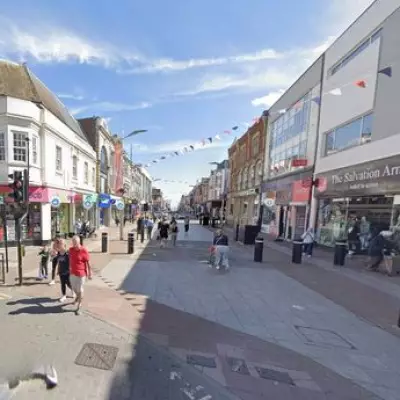
Within each larger regional force, Local Policing Areas will be established for every town, city, or borough. These teams will operate closer to their communities than the current structure allows and will be tasked with delivering exceptional neighbourhood policing. Their remit will include combating local crimes such as shoplifting, drug dealing, mobile phone theft, and anti-social behaviour—issues that significantly impact high streets and local communities.
Financial Savings and Resource Redirection
The Home Office believes the mergers will generate substantial savings on backroom functions, which can then be redirected to bolster neighbourhood policing. However, concerns have been raised that the initial implementation will incur huge costs and absorb vast amounts of senior officers' time for years. Additionally, dozens of chief constables and other top brass are likely to become redundant as a result of the consolidation.
Context of Frontline Officer Numbers and Previous Reform Attempts
This reform comes against a backdrop where the number of police officers in frontline roles has plummeted to the lowest level in six years, according to official Home Office data. At the end of March last year, there were 67,085 officers in visible frontline operational roles in England and Wales—the lowest since 2018-19. The last major reform occurred between 1964 and 1966, reducing forces from 158 to the current 43. Previous attempts at further consolidation, including a plan to cut the total to 24 forces in 2005, were ultimately abandoned.
Potential Winners and Losers in the New Structure
The chief constables of the largest city forces, such as the Metropolitan Police and Greater Manchester Police, are likely to be among the clear winners, as they absorb neighbouring smaller patches. In contrast, shire counties may witness intense competition among chief constables vying for top positions in the new, much larger forces. Currently, the smallest forces—excluding the City of London Police—include Warwickshire, Lincolnshire, and Wiltshire, each with approximately 1,100 to 1,200 officers. The largest are the Metropolitan Police with 33,000 officers, Greater Manchester Police with 8,000, West Yorkshire with 6,000, and West Midlands with 5,000.
The forthcoming White Paper is expected to provide detailed plans for this transformative approach to policing, aiming to create a more efficient, specialised, and community-focused service across England and Wales.