Police Chiefs Unveil New Media Charter for Greater Transparency in Investigations
Police chiefs are set to announce today a firm commitment to usher in a new era of openness with the public regarding their investigations. In a groundbreaking charter, officers across all ranks will be actively encouraged to engage with journalists, providing significantly more information about major cases.
Unprecedented Agreement to Combat Misinformation
This initiative follows an unprecedented agreement between police forces and media bodies, which will lead to authorities releasing enhanced details about arrests, ongoing investigations, and prosecutions. The primary aim is to tackle online rumours and misinformation that have been eroding public trust in policing.
The Policing and Media Charter is being hailed as the most substantial reset in the relationship between policing and the media in decades. It seeks to reverse the chilling effect of the Leveson Inquiry, which left many officers fearful of discussing their investigations publicly.
Key Changes Under the New Charter
As part of this landmark agreement, forces will be required to consider releasing a suspect's nationality and ethnicity upon arrest. They must also provide regular updates during inquiries and adopt a more open approach regarding police misconduct.
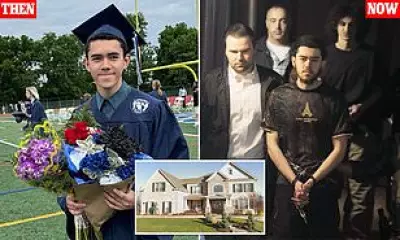
One of the most significant changes involves forces agreeing to publish photographs of all criminals who receive custodial sentences, marking the first time such a measure has been implemented.
Rebuilding Trust Through Accredited Journalism
The charter explicitly states that 'engagement between police and the media is encouraged for officers and staff of all ranks and roles.' Gavin Stephens, head of the National Police Chiefs Council, emphasised that 'accredited journalism remains one of the most powerful tools we have to bring offenders to justice and keep the public informed.'
These reforms stem from recommendations by the Crime Reporters Association and the Society of Editors, following an independent review into the case of missing mother Nicola Bulley. The review concluded that trust between the media and police had been severely damaged.
Addressing Past Failures and Future Collaboration
In high-profile cases, misinformation has often gone unchallenged, shaking public confidence in policing. For instance, Merseyside Police faced heavy criticism for failing to tackle misinformation that led to riots after Axel Rudakubana murdered three children at a Taylor Swift-themed dance class in July 2024.
The new charter, the first joint agreement by policing and media, will establish fresh standards for information release. It results from two years of collaboration between the NPCC, College of Policing, Crown Prosecution Service, Crime Reporters Association, Society of Editors, and Media Lawyers Association to develop guidance for both police and journalists.
Following these discussions, police have revised their internal guidance for officers on information release, and the CPS has created a new media protocol urging prosecutors to provide more material from cases.
Overcoming the Legacy of Leveson
Mr Stephens remarked: 'For more than a decade, the legacy of the Leveson Inquiry has cast a long, chilling shadow over the relationship between policing and the media. What began as a vital corrective to abuses of power also had unintended consequences. Officers grew wary of speaking publicly, and the 2023 review into the handling of the Nicola Bulley missing persons investigation made this painfully clear.'
He added: 'We could not allow that dynamic to continue. A police service that withdraws from public communication risks losing the very thing it relies upon to police by consent - trust.'
Dawn Alford, chief executive of the Society of Editors, noted: 'When information flows well between policing and professional journalists, the public benefits.'