Police Recruit Hairdressers to Combat Valentine's Day Romance Fraud
In a novel approach to tackling romance fraud, police are enlisting hairdressers to engage with potential victims during salon appointments. The initiative, launched ahead of Valentine's Day, seeks to raise awareness about the dangers of online dating scams and encourage reporting.
Salons as Safe Spaces for Sensitive Conversations
Hairdressers participating in the scheme will receive specialised training on how to broach the topic of romance fraud sensitively while clients are getting their hair cut. They will learn to recognise warning signs and direct individuals to appropriate support services if needed.
Damian Cranny, Fraud Protect Officer at Dorset Police, explained the rationale behind using salons and barber shops as intervention points. "Meeting a partner online should be an enjoyable and safe experience," he said. "Sadly, criminals are using it as an opportunity to steal money and personal information. They know how to manipulate people's emotions, which can override their critical thinking."

Cranny emphasised that these establishments can serve as "safe places" where potential victims feel comfortable talking about their experiences and seeking help. "By using salons and barber shops as a safe place to talk, we can beat the fraudsters from stealing people's hearts and money, and ensure people feel supported to report romance fraud," he added.
The Growing Threat of Romance Fraud
Romance fraud involves criminals targeting vulnerable individuals online, building emotional connections before exploiting them financially. Victims often lose thousands of pounds, facing severe debt alongside feelings of embarrassment and shame.
The problem has become increasingly prevalent as more people turn to online platforms to find partners. Dorset Police's campaign builds on successful trials at Toni & Guy salons in Bournemouth and Ringwood, as well as last year's Big Night In initiative, which saw increased reporting of romance fraud cases.
A Cautionary Tale: Jennifer Barton's Experience
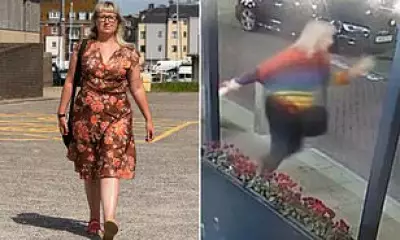
The devastating impact of romance fraud is illustrated by the case of Jennifer Barton, a 44-year-old NHS worker who lost her home and savings to serial scammers. Over two years, Barton was targeted four times by fraudsters posing as celebrities including actors Alexander Ludwig and Charlie Hunnam, Westlife's Nicky Byrne, and US singer Michael Ray.
"At the start, it was general everyday kind of chat with a bit of flirtatiousness," Barton recalled. However, conversations quickly turned into requests for money, with scammers fabricating sob stories to extract funds.
Barton initially sent £6,000 in cash and another £6,000 in bitcoin to someone claiming to be Alexander Ludwig. When she saw pictures of the actual actor with his wife on Instagram, the scammer told her not to believe "everything you read on social media."
The deception escalated when another Ludwig impersonator convinced her to send over £100,000 to "catch" the original fake. A scammer posing as Charlie Hunnam was exposed during a video call when his accent didn't match the actor's. Finally, someone pretending to be Michael Ray pressured Barton to sell her house and car, promising £140,000 in return but instead draining her finances completely.
"I sold the house and I spent all the money," Barton said. "I got £111,000 and then apart from a bit for a hotel and a hire car, the vast majority went on him." She only realised the truth when the scammer constantly refused to meet in person.
Police Advice for Avoiding Romance Fraud
Dorset Police has issued guidance to help people protect themselves from romance scams:
- Be cautious about sharing personal information online, especially with people you haven't met in person
- Stay on dating platforms for communication until you meet face-to-face
- Consult trusted friends or family before sending money to online contacts
- Perform reverse image searches on profile pictures
- Be wary of requests for payments via gift cards or cryptocurrency
- Remember that legitimate partners won't ask you to lie
The hairdresser initiative represents a community-focused approach to crime prevention, leveraging everyday interactions to protect vulnerable individuals from financial and emotional harm.