A fatal accident inquiry into the death of an asylum seeker shot by police after a stabbing incident at a Glasgow hotel will feature police officers giving evidence remotely to safeguard their identities, a court hearing has confirmed.
Remote Testimony to Protect Officer Identities
During a preliminary hearing at Glasgow Sheriff Court, Solicitor Advocate Alan Cameron, representing the Crown, outlined that certain police officers involved in the June 2020 incident will testify via remote means. Their faces will be visible only to Sheriff Stewart Reid, who is presiding over the inquiry, ensuring their anonymity from other court monitors.
Background of the Tragic Incident
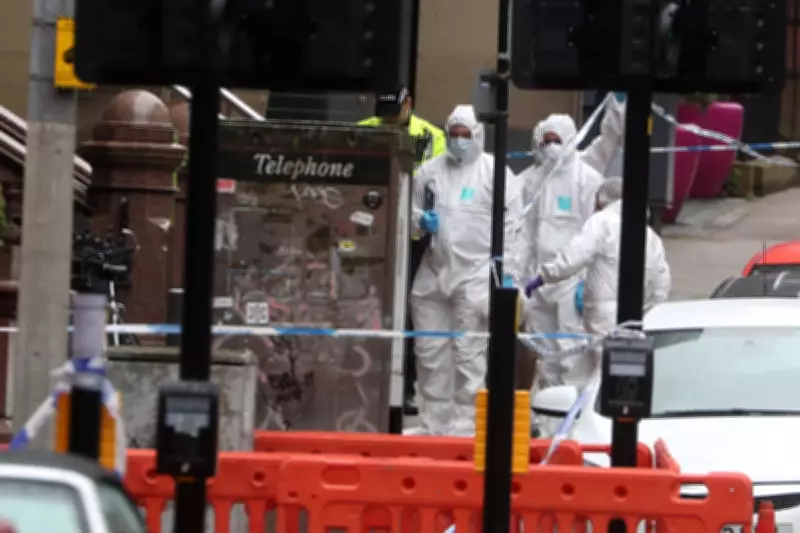
The inquiry centres on the death of Badreddin Abdalla Adam Bosh, a 28-year-old Sudanese asylum seeker, who was fatally shot by police at the Park Inn Hotel in Glasgow on June 26, 2020. Bosh had stabbed six individuals, including three asylum seekers, two hotel workers, and Police Officer David Whyte, who responded to the emergency call. Police resorted to lethal force after attempts with non-lethal weapons proved unsuccessful.

Bosh was among hundreds of asylum seekers relocated to Glasgow hotels during the initial Covid-19 lockdown in 2020, highlighting the broader context of the tragedy.
Legal Proceedings and Anonymity Measures
At a prior hearing, an anonymity order was granted for some officers, allowing them to testify under pseudonyms or numbers. No objections were raised by other parties regarding the remote evidence arrangement, and Sheriff Reid approved this method. The inquiry has been reassigned to Sheriff Reid from Sheriff Principal Aisha Anwar.
Inquiry Schedule and Objectives
The fatal accident inquiry is scheduled to commence on March 9, with hearings structured in two-week blocks: the first from March 9, followed by another starting May 5. A further two-week block in June has been reserved, though it is anticipated that evidence will conclude by the end of the May sessions. Written submissions from the Crown and other involved parties will be submitted at a later date.
Parties represented at the inquiry include Police Scotland, the Scottish Police Federation, Glasgow City Council, and the Home Office, underscoring the multi-agency interest in the case.
Purpose and Nature of the Inquiry
The Crown Office initiated the inquiry following a comprehensive and independent investigation by prosecutors into the circumstances surrounding Bosh's death. Previous investigations concluded that police actions were "legitimate and proportionate," taken swiftly to protect lives.
Unlike criminal proceedings, fatal accident inquiries are inquisitorial, aiming to establish facts rather than assign blame. Key objectives include determining the cause and circumstances of the death, and identifying reasonable precautions to prevent similar fatalities in the future.
This approach ensures a thorough examination of the events, focusing on public safety and procedural insights without the adversarial tone of a trial.