The heads of two of the UK's largest police forces have issued a stark warning that protesters chanting the phrase 'globalise the intifada' at future events will be arrested. The move comes as authorities intensify their response to antisemitic hate crime in the wake of the deadly Bondi Beach terror attack in Australia.
Police Forces Take Decisive Stance After Tragedy
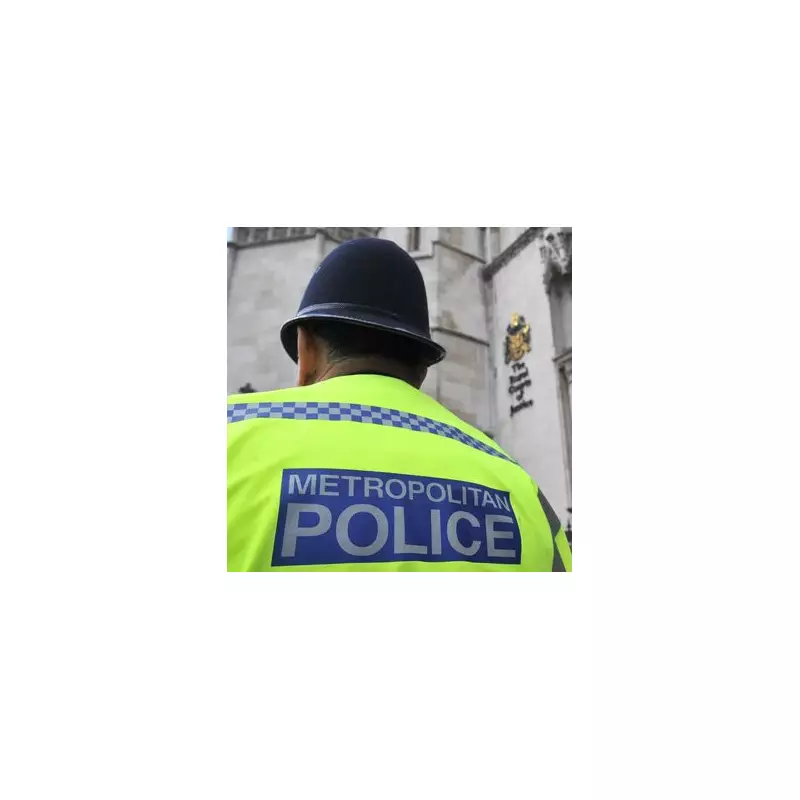
Metropolitan Police Commissioner Sir Mark Rowley and Greater Manchester Police Chief Constable Sir Stephen Watson released a joint statement outlining their new, more assertive approach. They stated that both forces would "act decisively and make arrests" if the specific chant is used at protests or in a targeted manner.
This policy shift follows the tragic events at Bondi Beach on Sunday, where a Jewish event, Chanukah By The Sea, was targeted by gunmen. Fifteen people were killed in the attack. Sajid Akram, 50, was shot dead by police at the scene, while Naveed Akram, 24, has been charged with 59 offences, including 15 counts of murder and one count of committing a terrorist act.

The police chiefs explained that the context has fundamentally changed. "Violent acts have taken place, the context has changed – words have meaning and consequence," they said. They acknowledged that while the Crown Prosecution Service (CPS) had previously advised that many contentious phrases did not meet prosecution thresholds, the "escalating threat" now requires a recalibration.
Understanding the Phrase and the Legal Context
The term 'intifada' is an Arabic word meaning 'to shake off' or 'uprising'. Pro-Palestinian activists have used the phrase 'globalise the intifada' to call for widespread resistance against Israel. However, Jewish groups and police now argue that in the current climate, its use can incite fear and hatred.
Chief Crown Prosecutor Lionel Idan, the hate crime lead for the CPS, confirmed that prosecutors are working closely with police. "We carefully consider each antisemitic hate crime case referred to us... Some offences can be context specific," he stated, adding that where evidence is initially insufficient, they will work with officers to build stronger cases.
Mixed Reactions from Community Groups
The police's firm stance has been welcomed by many within the Jewish community, who have expressed heightened concerns about safety and antisemitic rhetoric following the international attack.
However, the announcement has drawn criticism from pro-Palestinian campaigners. Ben Jamal of the Palestine Solidarity Campaign accused the police of "political repression of protest." He argued that the statement was made without consultation with Palestinian community groups in Britain and mischaracterises the meaning of 'intifada', which he linked to peaceful protest against injustice.
"The implication that slogans used to support the liberation of the Palestinian people are only open to interpretation by groups who have maintained complicit support for Israel’s oppression... is deeply problematic," Jamal said.
The joint police statement marks a significant hardening of the UK's approach to policing protest language, directly linking international terrorism to domestic public order and hate crime policy. It sets a clear precedent that certain slogans, deemed inflammatory in a new threat context, will no longer be tolerated.