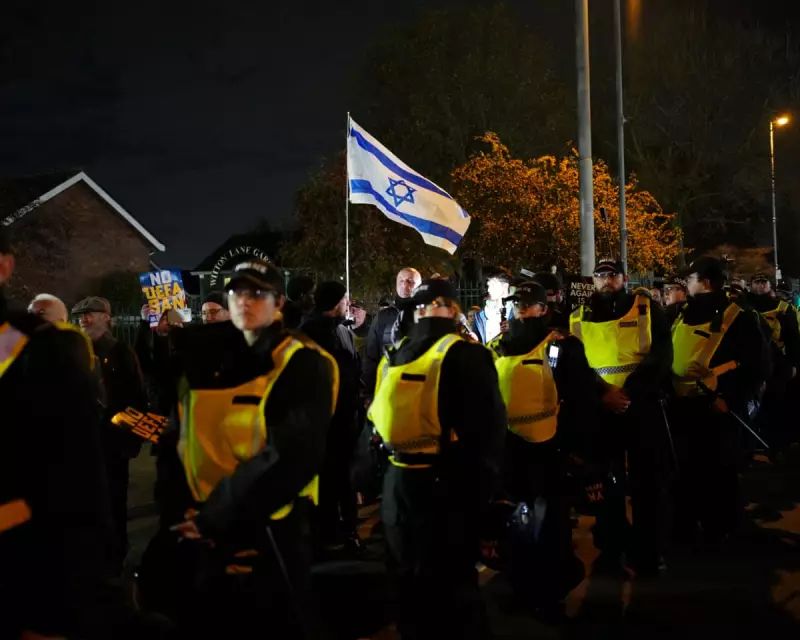
The police watchdog for England and Wales is poised to deliver a critical report against West Midlands Police concerning its controversial decision to bar supporters of Israeli football club Maccabi Tel Aviv from attending a match.
Controversial Decision Under Scrutiny
The Independent Office for Police Conduct (IOPC) has concluded its investigation into the force's actions. The probe was launched after West Midlands Police prevented Maccabi Tel Aviv fans from entering Villa Park in Birmingham for a UEFA Europa Conference League match against Aston Villa on Thursday, 5 October 2023.
This decision, made on the grounds of public safety, sparked immediate and widespread condemnation. Critics argued it amounted to a discriminatory act and set a dangerous precedent. The IOPC's findings are expected to formally criticise the police force's handling of the situation, highlighting significant flaws in the process.

Timeline of Events and Immediate Fallout
The incident unfolded just hours before the evening kick-off. West Midlands Police issued a statement asserting that the exclusion was a 'proportionate response' to potential risks associated with the ongoing conflict between Israel and Hamas. However, this justification failed to satisfy many observers and organisations.
Jewish security group the Community Security Trust (CST) was among the most vocal critics. They accused the force of effectively banning Jewish fans from a football match, a move they described as unprecedented and deeply concerning. The controversy forced the force's chief constable, Craig Guildford, into a defensive position, insisting the choice was made solely on operational safety grounds and not based on the ethnicity or religion of the supporters.
Broader Implications and Calls for Change
The IOPC's anticipated criticism adds significant weight to the argument that the police's action was mishandled. This case raises profound questions about the balance between public safety and the fundamental rights of individuals to attend public events without facing blanket bans.
Furthermore, it touches on sensitive issues of discrimination and the policing of international events during periods of geopolitical tension. The watchdog's report is likely to recommend reviews of decision-making protocols to prevent a repeat of such a scenario, where an entire group of fans is excluded based on perceived risks linked to their team's nationality.
The fallout from the 5 October 2023 ban continues to resonate, serving as a cautionary tale for police forces across the UK. It underscores the need for meticulous, evidence-based risk assessments that protect both public safety and civil liberties, ensuring football remains accessible to all law-abiding supporters.