The Alarming Surge in Personal Protection Dogs Across Britain
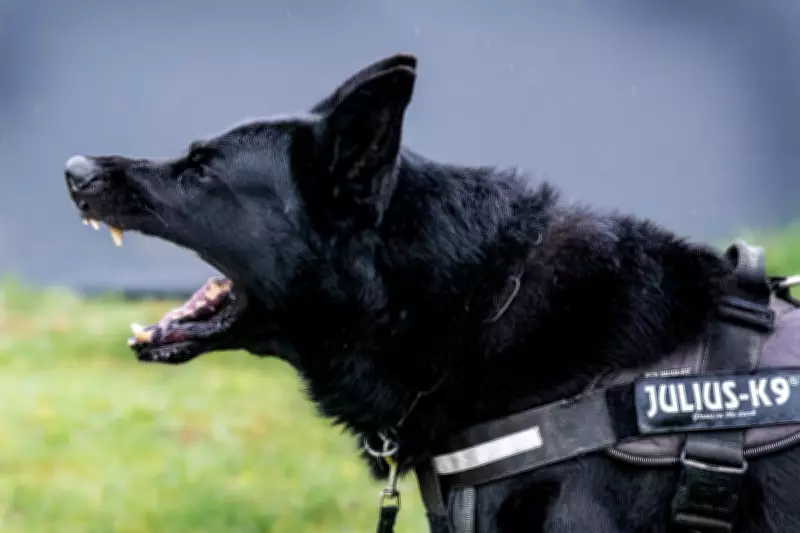
In a quiet corner of Norfolk, at the Norwich Dog Training School, a German shepherd named Shadow demonstrates the intense focus required for protection work. This scene is becoming increasingly common as the demand for personal protection dogs skyrockets across the United Kingdom. These animals, trained to bite, hold, and release on command, are marketed as family pets that double as live-in security solutions, with prices reaching tens of thousands of pounds at the premium end.
From Celebrities to Mainstream: Fueling the Demand
The trend, once reserved for the ultra-wealthy and security professionals, has gained momentum through high-profile endorsements. Celebrities such as former pop stars Rochelle and Marvin Humes, reality TV personality Molly-Mae Hague, and footballers like John Terry and Marcus Rashford have publicly acquired these dogs, often citing recent burglaries or security threats as motivations. Australian fitness influencer Kayla Itsines, after being stalked, praised her protection dogs for allowing her to "sleep more soundly," highlighting the emotional appeal driving interest.
Alaster Bly, founder of K9 Protector, confirms this shift, stating, "Demand has increased, without a doubt." His company supplies dogs to notable figures, including Olympic athlete Mo Farah and a former prime minister, and breeds specialised hybrids like the "chimera," starting at £32,000. Bly notes a growing clientele beyond the wealthy, with people seeking "an investment in security" amid widespread anxieties about crime.

A Legal and Ethical Minefield
This burgeoning market operates in a largely unregulated space, posing significant challenges. Personal protection dogs are not covered by the Guard Dogs Act, which applies only to commercial premises. According to Sunjay Versani, a criminal defence solicitor, these animals are treated legally as any other dog, with liability based on behaviour and owner control. However, training a dog for protection can increase criminal liability, as it may be viewed as using the animal as a weapon. Standard insurance policies often exclude such dogs, leaving owners financially exposed.
Animal welfare concerns are also mounting. The Royal Society for the Prevention of Cruelty to Animals (RSPCA) reported a dramatic rise in complaints related to protection dogs, from two in 2020 to 39 last year, mostly involving force or coercion in training. Dr Samantha Gaines of the RSPCA warns, "We are worried that this is becoming an emerging trend," emphasising that dogs are sensitive beings, not robotic security tools.
The Risks of Inexperienced Ownership and Social Media Influence
At the grassroots level, trainers like Grahame Green in Norwich witness the dangers firsthand. He receives regular inquiries from locals wanting their pets trained to bite, many of whom he describes as "idiots" with no understanding of the work involved. Green attributes the surge in demand to social media, where performative displays of canine aggression spread rapidly. He criticises those seeking protection dogs for ego-driven reasons, stating, "They want to look big and tough and macho ... It's all an ego thing."
Breeds commonly used, such as German shepherds, Belgian malinois, and cane corsos, are powerful and challenging for inexperienced owners. Since the XL bully ban, cane corsos have gained popularity as status symbols, illustrating how regulation can shift demand. Green argues that once a dog undergoes protection training, "it's no longer a pet," highlighting the irreversible changes in behaviour and responsibility.
Calls for Regulation and Alternative Solutions
Industry insiders like Bly acknowledge the need for oversight, having attempted to establish a regulatory body years ago. With dozens of providers now in the market, some operate unethically, selling unstable dogs to vulnerable clients. Bly supports greater regulation to protect consumers, noting that current reliance on trading standards creates "a bit of a minefield."

The RSPCA advocates for a tiered licensing system to track protection dog owners and discourage unsuitable acquisitions. Gaines suggests that alternative security measures, such as alarms or surveillance, are safer and more reliable. She questions the very premise of using dogs for protection, stating, "There are alternative security measures that are much, much easier."
As personal protection dogs become more embedded in UK culture, the debate intensifies over balancing security desires with public safety and animal welfare. Without robust regulation, this trend risks escalating incidents of dog attacks and commodifying animals beyond their natural roles.