Schoolboy Neo-Nazi Sentenced to Three-and-a-Half Years in Detention
A 16-year-old boy, described as harbouring antisemitic and white supremacist ideologies, has been detained for three-and-a-half years after accumulating an arsenal of weapons and pretending to be part of a proscribed neo-Nazi organisation. The teenager, who cannot be named for legal reasons despite media efforts to identify him, was convicted last month on charges related to sharing terror publications and falsely claiming membership in a banned far-right group.
Weapons Cache and Nazi Memorabilia Uncovered
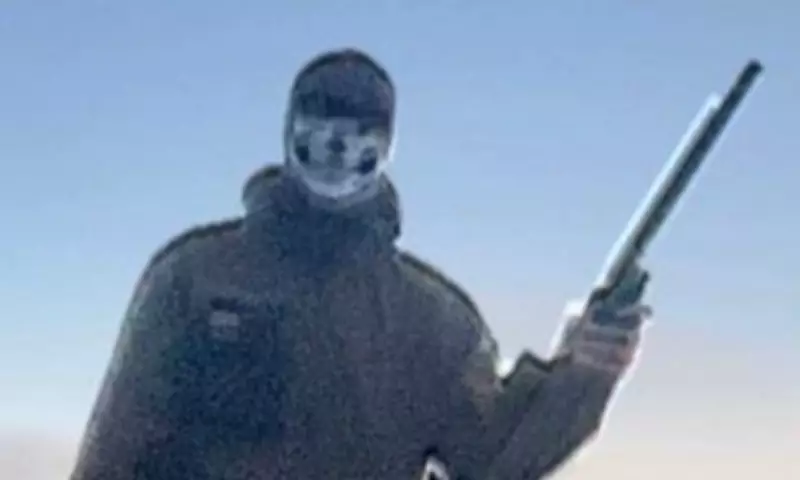
During the trial at Leeds Crown Court, jurors were presented with disturbing evidence from the boy's home in Northumberland, where he lived with his father. Police discovered a significant collection of weapons and extremist paraphernalia, including:
- A crossbow and multiple knives
- An air rifle and an air shotgun with offensive graffiti referencing George Floyd
- A replica SS officer's cap and a Rhodesian flag
- Two military tactical vests, helmets, and skull masks
- A German military jacket
The bedroom walls displayed the air rifle, while the air shotgun bore the phrases 'natural selection' and 'George Floyd', alluding to the 2020 murder of a black man by a police officer in Minneapolis.

Extensive Online Activity and Violent Writings
Investigators uncovered a massive digital footprint, with 4.8 terabytes of messages and files—equivalent to approximately 1.2 million songs—and 253,005 messages across 25 extreme right-wing chat groups. The teenager engaged in online exchanges with white supremacist groups and maintained violent journal entries.
One particularly alarming entry from January 2023, written when he was 13, expressed hatred toward his school and included a 'Mass Murder Ranking' that praised Anders Breivik, who killed 77 people in Norway. The boy wrote, 'Ultimately he is the best he killed the most amount of people to get his point across to people in the world.' Other entries revealed racist references and personal frustrations, such as, 'In other terms I'm angry because I know that I will never have a girlfriend.'
Failed Terror Plot and Psychological Background
The jury could not reach a verdict on a charge alleging the boy planned a terror attack on synagogues in Newcastle, and the prosecution decided not to seek a retrial. However, evidence showed he watched a video of the New Zealand mosque attack and researched local synagogues.
Sentencing the teenager, Mr Justice Wall dismissed claims that the writings were not genuine, stating the boy held authentic extremist and antisemitic views. The judge noted the offending began at age 14, with most incidents occurring at 15, and highlighted the boy's difficult childhood marked by bullying, isolation, and recent autism diagnosis.
Frida Hussain KC, defending, described the boy as 'desperately lonely' and plagued by suicidal thoughts, suggesting his online persona served as a distraction.
Sentencing and Rehabilitation Measures
The teenager, arrested in February last year while wearing his school uniform, must serve an additional 15 months in detention, having already been in custody since his arrest. Following release, he will be supervised and monitored in the community for 26 months, with restrictions on computer and internet use.
Mr Justice Wall emphasised the boy's 'unhealthy interest in weapons, wars, and paramilitary items', which led him into extreme right-wing circles. The judge also rejected a media application to name the boy, citing rehabilitation concerns.
Police Warnings on Online Extremism
Detective Chief Superintendent James Dunkerley, Head of Counter Terrorism Policing North East, welcomed the sentence, urging vigilance against extreme online content. 'If you are worried about someone you know expressing extreme views or hatred, then please trust your instincts and act early,' he stated, referencing counter-terrorism initiatives.
Chief Superintendent Kevin Waring, area commander for Northumberland, echoed this sentiment, highlighting the dangers of online material accessible to young people and the importance of community vigilance.