Sydney Protesters Confront Legal Obstacles in Police Brutality Claims
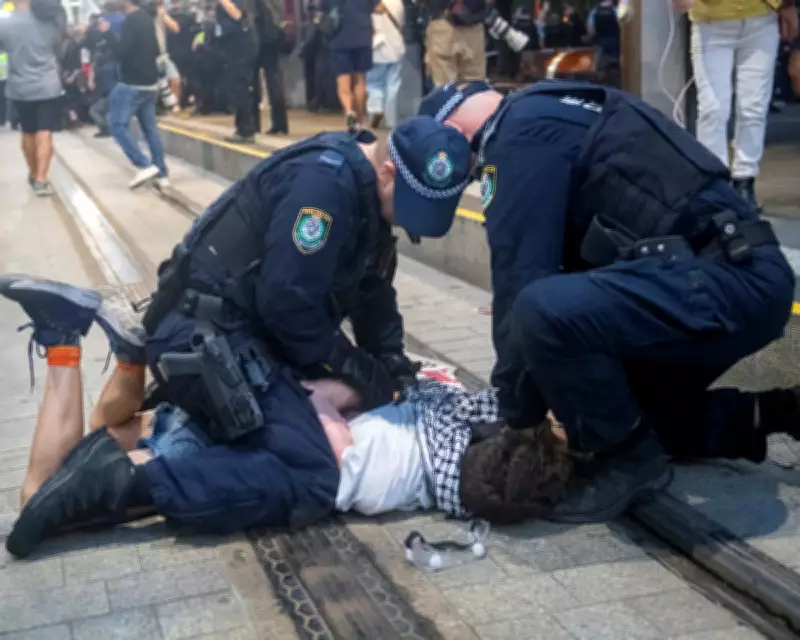
Protesters in Sydney are preparing to sue the New South Wales police over alleged brutality during a rally against Israeli President Isaac Herzog's state visit, but they face significant legal challenges due to an obscure piece of legislation. The incident, which occurred on Monday, has sparked outrage and calls for accountability, with at least seven individuals seeking legal advice.
Injured Woman Leads Charge for Compensation
Jann Alhafny, a 69-year-old woman who suffered four broken vertebrae after allegedly being pushed violently by a police officer, is at the forefront of the legal battle. Her lawyer, Peter O'Brien, confirmed she remains hospitalized and intends to sue the state of New South Wales for personal injury. O'Brien stated, "We think that legislation that quarantines a state authority from any sort of liability associated with criminal wrongdoing is inherently unlawful."
Major Events Act Complicates Legal Redress
The path to compensation is fraught with difficulty because of Section 62 of the 2009 Major Events Act. This section suggests that "compensation is not payable" for police actions during events designated as "major." The Chris Minns government classified Herzog's four-day visit as such an event, granting police additional powers. In a supreme court challenge, the Palestine Action Group argued unsuccessfully that this designation was improper, with barrister Felicity Graham calling it a "square peg being sought to be shoved into a round hole."

Violent Clashes and Alleged Misconduct
Monday's rally turned violent when protesters attempted to march to state parliament, defying anti-protest laws enacted after the Bondi beach massacre. Police used pepper spray and kettling tactics to disperse the crowd. Alhafny described her ordeal, saying, "[The officer] grabbed one arm, and he yanked me up on to my feet, like really severely, and that was excruciating." She also feared a stampede or suffocation while on the ground.
Other protesters have come forward with allegations. Ali Al-Lami claims an officer called him a "brown cunt" and punched him in the head, though he was released without charge. Kefah Maradweh's 16-year-old son, Nedal, was allegedly pushed, kicked, and restrained by police. Additionally, a man in a viral video shared by Greens senator David Shoebridge appears to be punched multiple times by officers, and he has sought legal advice.
Legal Coordination and Investigations Underway
Lawyers are coordinating a response, with Nick Hanna arranging for alleged victims and witnesses to gather evidence. Hanna said, "We'll be coordinating a legal response and gathering evidence." The Law Enforcement Corruption Commission (Lecc) has announced an investigation into alleged officer misconduct. NSW police commissioner Mal Lanyon has pledged internal investigations but stressed incidents must be viewed in context.
Uncertain Legal Terrain and Expert Opinions
Section 62 of the Major Events Act restricts compensation but includes exceptions for acts not done in "good faith" and for personal injury claims. O'Brien believes Alhafny's case falls under the latter. Sam Lee, a senior solicitor at the Redfern Legal Centre, noted, "The Act hasn't really been tested in this way," adding that courts will determine what constitutes "good faith" based on circumstances like crowd behavior and use of force.
Associate Professor Dr. Vicki Sentas, a policing law expert at UNSW, explained that prosecuting police for excessive force is challenging, as the Office of the Director of Public Prosecutions must decide to lay charges. She also highlighted that the combination of major events powers and post-Bondi restrictions gives police broad discretion, making it difficult to contest move-on directions legally.
Government and Police Responses
Premier Chris Minns has denied that the major events declaration was used to limit protesters' legal options, citing security reasons. A ministerial briefing showed police mentioned Section 62 when advising on the declaration. Police have stated they are reviewing body camera and social media footage and that some protesters will be charged with failing to comply with move-on directions.

Despite calls to avoid conclusions from social media clips, Sentas remarked that some police actions appeared "excessive and unreasonable and disproportionate" based on publicly available evidence. The legal battle continues as protesters and their lawyers prepare to challenge the designation and seek justice for alleged brutality.